
 Written by
 I remember a Saturday night in 2004, standing by the pass with a sweating, trembling sous chef who had a CV that looked like it belonged in a Michelin guide but couldn’t handle a simple rush without losing his mind. He was technically brilliant, sure, but he lacked the one thing you can’t teach in culinary school: the ability to stay calm when the tickets are printing faster than the printer can breathe. Everyone tells you that finding talent is about checking certifications and knife skills, but if you’re looking for a textbook on how to hire kitchen staff, you’re going to end up with a team of brilliant egoists who will leave you stranded when the dining room hits capacity.
I’m not here to give you a sanitized HR manual or a list of personality tests that cost more than a decent case of Bordeaux. I’m going to tell you what I learned from twenty-six years of managing my own sixteen-seat room, where one bad hire meant the difference between a profitable month and a total collapse. We’re going to talk about looking for the grit behind the technique, the real cost of a “star” chef, and how to find the kind of reliable people who actually show up when the heat is on.
The Hidden Cost of a Failed Culinary Recruitment Process

When people talk about a bad hire, they usually talk about the wasted wages or the spoiled ingredients. That’s just the tip of the iceberg. The real damage is the invisible rot that sets into your culture. If you rush your culinary recruitment process just to fill a gap on the rota, you aren’t just hiring a body; you are inviting a wrecking ball into your kitchen. A single person who doesn’t understand the rhythm of a service can turn a disciplined line into a chaotic mess, and once that momentum is lost, it is incredibly expensive to buy it back.
Then there is the toll on the people who actually show up. Your best cook, the one who has been with you for three years and knows exactly how you like the prep done, will eventually tire of picking up the slack for someone who can’t hold a knife properly. You’ll see it in their eyes—a slow, quiet burnout. You might think you’re saving money by skipping a rigorous trial, but you’re actually paying a premium in reduced kitchen staff turnover and the sheer exhaustion of your remaining team.
Evaluating Culinary Skills Without Ignoring the Human Element
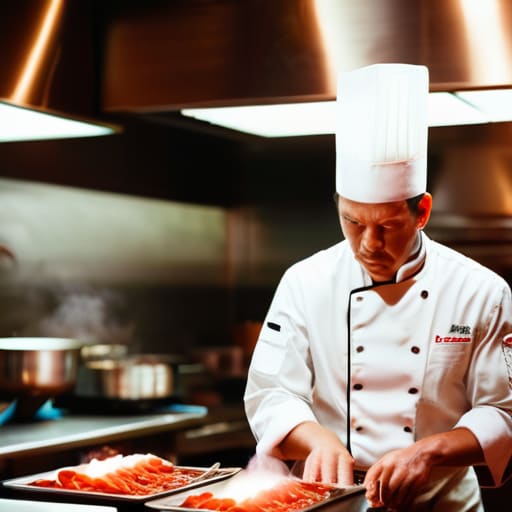
When you’re evaluating culinary skills, it is tempting to focus entirely on the technicalities—the knife work, the seasoning, the ability to execute a perfect reduction under pressure. I’ve seen many owners fall into this trap. They watch a candidate dice an onion with surgical precision and think, “This is the one.” But a beautiful julienne won’t save you when the printer starts screaming at 8:00 PM on a Saturday and the dishwasher has just walked out. You aren’t just hiring a pair of hands; you are hiring a temperament.
During your kitchen interview questions, don’t just ask about their experience with sous-vide or butchery. Ask them how they handle a mistake. Ask them what they do when they realize they’re running behind. You need to know if they have the mental stamina to survive the attrition of a service. A successful culinary recruitment process must look for the person who can maintain their composure when the heat rises, because a chef who can cook but can’t communicate is simply a ticking time bomb for your kitchen culture.
Five Hard Truths About Finding People Who Actually Want to Work
- Stop hiring for the CV and start hiring for the temperament. I’ve seen a Michelin-starred commis with hands like magic come through my kitchen only to crumble the first time a sauce split during a Saturday rush. You can teach a person how to dice an onion properly in a week, but you cannot teach them how to stay calm when the tickets are hitting the floor like heavy rain. Hire the person who stays level-headed when things go sideways, not just the one who knows their way around a sous-vide machine.
- The “Trial Shift” is your only real metric, but don’t be fooled by the show. Everyone is a star for two hours when they’re on their best behavior. I used to watch how a candidate handled the moments when no one was looking—did they wipe their station, or did they leave a trail of debris? Did they ask where the clean towels were, or did they stand there like a statue waiting to be told what to do? A cook who waits for instructions is just another mouth to feed; a cook who looks for work is an investment.
- Check their references, but don’t just listen to what they say—listen to how they say it. When I called old colleagues to check on a candidate, I wasn’t looking for a list of their achievements; I was looking for the gaps in the story. If a former chef sounded hesitant or if they couldn’t tell me a single thing the candidate did well, that was my answer. In this industry, your reputation is your currency, and if they’ve spent it all elsewhere, they’ll do the same to you.
- Understand that “culture fit” is often just code for “people I want to have a beer with,” and that’s a dangerous way to run a kitchen. You don’t need a group of friends; you need a team of professionals. If you only hire people who mirror your own personality, you’ll end up with a kitchen full of blind spots. You need the quiet, disciplined type to balance out the loud, charismatic one. A kitchen needs friction to stay sharp, but it needs respect to stay functional.
- Be honest about the grind from the very first interview. I never lied to a candidate about the hours, the heat, or the fact that they’ll likely go home smelling like old grease and exhaustion. If you try to sell them a “lifestyle” or a “dream,” they’ll realize you’re lying the moment they hit their third double shift in a week. If you tell them exactly how hard it’s going to be, the ones who stay are the ones who actually meant it.
The Bottom Line: What You’re Actually Hiring For
Stop hiring for a CV and start hiring for temperament; a cook who can execute a perfect risotto in a quiet kitchen is useless to you if they crumble the moment the printer starts screaming at 8:00 PM.
Remember that every “bad hire” is a double hit to your bank account—you lose the wasted wages of the person who didn’t fit, and you lose the profit from the dishes that went wrong while they were learning the ropes.
Look for the quiet ones who notice the empty water glass or the prep list that’s running low; in a small kitchen, you aren’t just hiring hands to chop vegetables, you’re hiring extra sets of eyes to help you keep the ship from sinking.
The Myth of the Perfect Resume
You can find a chef who can plate a scallop with surgical precision, but if they can’t hold their head up when the printer starts screaming at 8:00 PM on a rainy Saturday, they aren’t an asset—they’re a liability waiting to break your team’s spirit.
Rosalind Achterberg
The Long Game of the Line

At the end of the day, hiring isn’t about finding the person who can execute a perfect emulsion on a Tuesday afternoon; it’s about finding the person who won’t crumble when the ticket machine starts screaming at 8:00 PM on a rainy Saturday. You have to look past the polished CVs and the fancy stage work to find the grit and the temperament that actually keeps a kitchen moving. If you hire solely for technical skill while ignoring how they treat a dishwasher or how they handle a mistake, you aren’t building a team—you’re just renting a disaster. Remember, every bad hire is a withdrawal from your bank account and a tax on your sanity, so measure the person, not just the plate.
Running a kitchen is a beautiful, exhausting, and expensive way to make a living, and your staff is the only thing standing between a profitable service and a heartbreaking loss. Don’t be afraid to take your time with the process; the three days you spend vetting a new commis is nothing compared to the three months of chaos caused by a wrong hire. Build your brigade with intention, treat them with the respect that keeps them coming back, and remember that the soul of your restaurant isn’t found in your copper pans or your linen napkins, but in the people standing behind the pass. Now, go find your people.
Frequently Asked Questions
How do I know if a candidate is actually a hard worker or just someone who knows how to perform during a two-hour trial shift?
The trial shift is a performance; a two-hour window is just a stage. To see the real person, you have to watch how they handle the “lull.” When the tickets stop flying and the kitchen goes quiet, do they lean against the prep table, or do they grab a cloth and start cleaning the low-boys? A performer waits for instruction; a worker looks for what needs doing. Hire the person who cleans when there’s nothing to cook.
Is it better to hire a seasoned chef who demands a high salary and total control, or a green cook I can mold myself for less?
The seasoned chef is a gamble; they bring precision, but they also bring an ego that can swallow your kitchen whole. If they demand total control, they aren’t your partner—they’re your replacement. Personally, I’d take the green cook. A hungry, teachable kid with a clean apron and a sense of urgency is worth ten times a veteran who thinks they’ve outgrown your vision. You can teach a skill, but you can’t teach respect.
When the kitchen is already understaffed and the pressure is on, how do I find the time to interview properly without letting the service slip?
You don’t find the time; you steal it. If you try to interview during service, you’ll fail both the candidate and your customers. Instead, schedule “stage” shifts during your prep hours or a slow Tuesday lunch. Watch them work for two hours—don’t ask them how they handle pressure, just watch how they move around a crowded station. A candidate who cleans as they go is worth ten interviews conducted over a coffee.
