
 Written by
 I remember a Friday night in 2004, standing in my sixteen-cover dining room with a broken dishwasher, a sous-chef who had just walked out, and a sudden booking for a party of eight that hadn’t been cleared by the system. The air tasted of burnt garlic and pure, unadulterated panic. Most consultants will tell you that learning how to prepare for a busy period is all about investing in new POS software or fancy digital scheduling apps that promise to “optimize your workflow.” They’re selling you expensive toys to hide the fact that your foundation is cracking. In reality, a rush doesn’t care about your software; it only cares if your prep list is accurate and if your team actually trusts the person standing next to them.
I’m not here to give you a lecture on theoretical management or high-tech solutions that eat your margins. I want to talk about the grit of it—the stuff they don’t teach you in catering college. I’m going to show you how to tighten your inventory, how to build a rota that doesn’t burn your best people to a crisp, and why simplicity is your greatest weapon when the tickets start flying. This is about surviving the surge without losing your shirt or your sanity.
Retail Seasonal Demand Forecasting Without the Blind Optimism
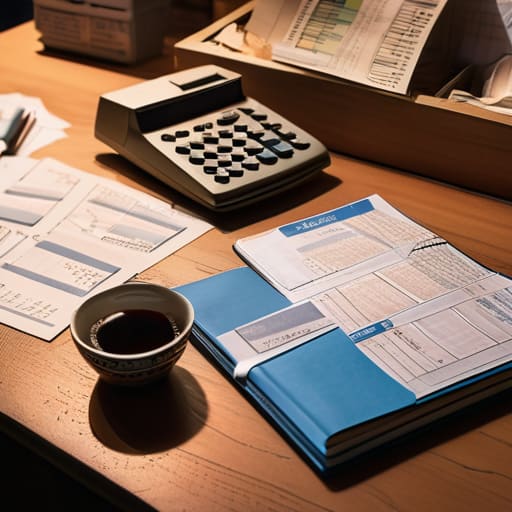
Everyone loves to talk about the “magic” of a busy season, but in my experience, magic is just another word for a lack of preparation. When people talk about retail seasonal demand forecasting, they usually treat it like a crystal ball, hoping for the best while ignoring the reality of their own bank balance. You can’t just pray for a rush; you have to look at your numbers from last year—the actual, messy, unglamorous numbers—and realize that a 20% increase in footfall doesn’t mean a 20% increase in profit if your food waste or overtime costs spiral out of control.
The real trap is the “blind optimism” that leads to a broken kitchen. You think you can stretch your current suppliers, but optimizing your supply chain for holidays means securing those commitments months in advance, not calling your fishmonger at 10:00 PM on a Friday when you’ve run out of sea bass. If you haven’t mastered your inventory management for peak season, you aren’t running a business; you’re just running a very expensive, very stressful charity for your customers.
Inventory Management for Peak Season or Bust
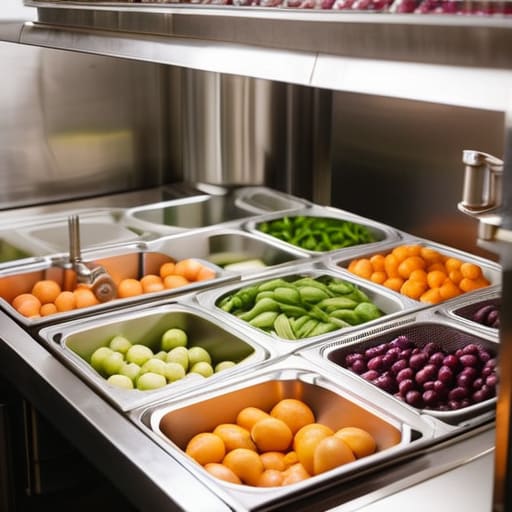
You can have the most talented chef in the city, but if they’re staring at an empty walk-in because someone forgot to count the shallots, you’ve already lost the night. Proper inventory management for peak season isn’t about having a mountain of stock; it’s about having the right amount of the things that actually move. I used to see young owners try to “buffer” by over-ordering everything, thinking it made them safe. In reality, they were just burying their cash in a pile of wilting herbs and excess protein that they’d eventually have to write off.
The secret is knowing your par levels like you know your own pulse. You need to tighten your ordering cycles and start optimizing your supply chain well before the holiday madness begins. Don’t wait until the Friday rush to realize your fishmonger can’t meet your new volume. If you haven’t established a secondary supplier by now, you aren’t prepared—you’re just gambling. A tight inventory keeps your food cost predictable and, more importantly, keeps the kitchen from panicking when the tickets start flying.
The Real Work: Five Ways to Keep Your Head Above Water When the Room Fills Up
- Stop adding things to the menu just because you can. A busy period is the worst time to introduce a new dish that requires a delicate sauce or a specific garnish you can’t source reliably. Stick to your core, tighten your prep lists, and remember that a smaller, flawless menu is a hell of a lot more profitable than a sprawling one that leaves your line cooks weeping in the walk-in.
- Audit your rotas for “the invisible middle.” You don’t just need more bodies; you need the right kind of bodies. I’ve seen too many owners throw extra hands at a rush only to realize they’ve hired three people who can’t communicate under pressure. You need your veterans on the floor to anchor the juniors, and you need your prep cooks to be ahead of the curve by at least two hours, not just “on time.”
- Check your equipment before it decides to quit on you. There is no heartbreak quite like a fridge compressor dying at 7:00 PM on a Friday. If you’re heading into a surge, spend the money now to service the ovens, sharpen the knives, and fix that temperamental dishwasher. It’s a lot cheaper to pay a technician on a Tuesday morning than to pay for wasted stock and a ruined service on a Saturday night.
- Train for the “unseen” service. A busy period isn’t just about speed; it’s about maintaining the illusion of calm. If your floor staff looks like they’re sprinting and sweating, your guests will feel the tension and eat faster, which ruins your turnover and your vibe. Teach them how to manage a table’s expectations when the kitchen is backed up, and how to clear a plate without looking like they’re in a race.
- Guard your staff’s stamina like it’s your most expensive ingredient. You can’t run a marathon at a sprint pace. If you push your team to the breaking point in the first week of a busy season, they will be useless—or worse, they’ll walk out—by week three. Build in actual breaks, make sure they’re eating, and for heaven’s sake, make sure the manager is actually supporting them instead of just hovering with a clipboard.
The Hard Truths of Getting Ready
Don’t mistake a full booking diary for a successful month; if you haven’t accounted for the extra linen, the rising cost of your core proteins, and the inevitable breakage, you’re just working harder to lose money faster.
Prep your people, not just your pantry, because a perfectly stocked walk-in won’t save you if your floor staff are running on fumes and resentment by the third consecutive Friday night.
Build a buffer into your orders that accounts for human error and supplier hiccups, because in the heat of a rush, “just in time” delivery is a luxury you can’t afford when the kitchen is screaming for more shallots.
The Myth of the Extra Hand
You can hire all the seasonal staff you want, but a dozen bodies won’t save you if your prep list is a mess and your floor plan is a bottleneck. Preparing for a rush isn’t about adding more people; it’s about making sure the people you already have aren’t fighting the building just to get a plate to a table.
Rosalind Achterberg
The Reality Behind the Rush

At the end of the day, preparing for a busy season isn’t about having the most expensive POS system or a menu that looks like a work of art; it’s about the invisible architecture of your business. It’s about looking at your numbers without the rose-tinted glasses of a dreamer and realizing that predicting demand is just as vital as the cooking itself. You have to balance your stock so you aren’t throwing money in the bin, and you have to schedule your people so they aren’t breaking under the pressure. If you get the inventory right and the forecasting honest, you aren’t just surviving the rush—you are protecting your margins and, more importantly, protecting your sanity.
I spent twenty-six years watching seasons come and go, and I can tell you that the most successful nights weren’t the ones where everything went perfectly, but the ones where the foundation was strong enough to handle the inevitable cracks. A busy period can either be the engine that drives your profit or the weight that finally snaps your spirit. Choose to build a business that is resilient by design, not by luck. When the doors open and the first wave of covers hits, I want you to be able to stand at the pass, take a breath, and know that you’ve done the hard, unglamorous work required to actually enjoy the service.
Frequently Asked Questions
How do I know when to actually call in extra hands without bleeding my profit margins dry on labor costs?
You don’t look at your reservation book; you look at your prep list and your floor rhythm. If your lead server is sprinting just to keep up with water refills, or if the kitchen is plating three dishes at once because they’ve lost their flow, you’re already behind. Don’t hire for the peak; hire for the friction. I always brought in a casual for the heavy lifting when I saw the “eyes” of my regulars starting to glaze over.
What’s the best way to handle a sudden surge in orders when my kitchen is already stretched to its limit?
You don’t solve a surge with more recipes; you solve it by cutting the menu. When the tickets start printing faster than you can read them, you pull the complex, high-labor dishes off the board immediately. It’s painful, but I’d rather explain a limited selection to a guest than watch my chef break or serve a plate that’s been sitting under a heat lamp for six minutes. Protect your people, or you won’t have a kitchen left.
How much of a buffer should I really keep in my stock so I don't run out of the essentials mid-rush?
You don’t want a warehouse full of rotting produce, but you also don’t want to be the owner apologizing to a table of four because you’re out of sea bass. I always kept a twenty percent buffer on my non-perishables—the stuff that won’t die if it sits for three days—and a tight, daily rotation on the fresh bits. If your “essential” stock is so thin that one broken delivery truck ruins your Friday night, you aren’t being efficient; you’re being reckless.
