 Written by
 I remember a humid Tuesday in mid-August, back when I was still running my own little sixteen-cover spot. A regular came in, sweating through his linen shirt, and ordered a heavy, oaky Cabernet Sauvignon because he thought “expensive” meant “better.” Watching him struggle through that glass was like watching someone try to wear a wool overcoat in a sauna; it wasn’t just a bad pairing, it was a physical burden. Most people treat wine lists like a math equation or a status symbol, but if you want to know how to match wine to a season, you have to stop looking at the price tag and start looking at the thermometer.
I’m not here to give you a lecture on tannins or acidity that you’ll forget by dessert. Instead, I’m going to tell you how to pick a bottle that actually works with the air around you, without breaking the bank or your spirit. We’ll talk about why a crisp Riesling is a mercy in July and why certain reds are a necessity in December, all through the lens of common sense and real-world service. I’ve spent thirty-eight years seeing what people actually enjoy versus what they think they should enjoy, and I promise to keep this entirely practical.
Summer White Wine Varieties and the Mercy of Cold Glass
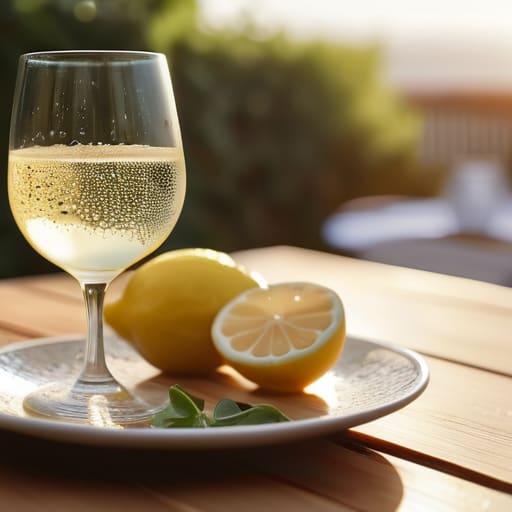
When the humidity hits and the dining room feels like it’s breathing with the guests, you don’t want a wine that demands effort. I’ve seen too many young managers try to push a heavy, buttery Chardonnay in July just because it’s high margin; it’s a mistake that leaves a customer feeling heavy and sluggish. In the heat, you need summer white wine varieties that act more like a palate cleanser than a meal. Think Sauvignon Blanc or a crisp, flinty Assyrtiko—wines that have enough acidity to cut through a salt-heavy dish without weighing down the spirit.
It isn’t just about the grape, though. You have to respect the physics of the room. Proper temperature and wine selection is the difference between a professional service and an amateur one. If that white wine arrives at room temperature because the cellar is too close to the kitchen pass, you’ve failed. A glass should feel like a mercy, a sharp, cold shock that makes the heat outside the window feel like a distant problem rather than an immediate threat.
Spring Rose Wine Trends and the Fragile Return of Light
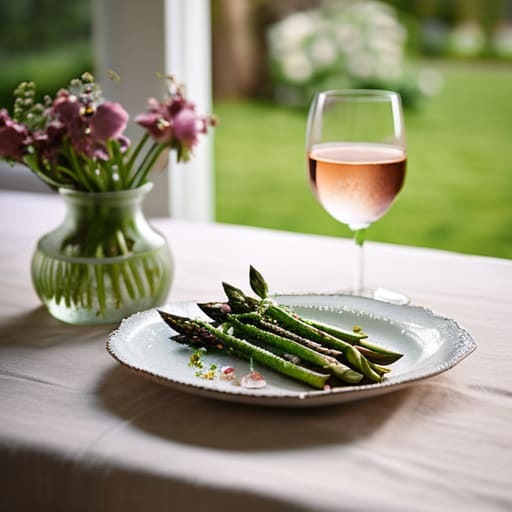
Spring is the most deceptive time of year in a dining room. The light is changing, the windows are being cracked open for the first time, and suddenly, the heavy, brooding reds that anchored the winter menu feel like an unwanted weight. This is where spring rose wine trends actually matter, not because they are trendy, but because they signal a shift in the kitchen’s rhythm. When the asparagus arrives and the lamb starts tasting of nothing but earth and grass, you need something that can dance with those delicate, fleeting flavors without trampling them.
I always told my floor staff that a pale, dry Provençal or a crisp, strawberry-edged Tavel acts as a bridge. It isn’t just about the temperature; it’s about the psychology of the palate. After months of heavy sauces and cellar-darkened reds, guests are looking for a reset. A well-chosen rosé provides that lift, offering a crispness that mirrors the brightening day. It’s about pairing wine with seasonal flavors that are just beginning to wake up, ensuring the drink supports the plate rather than competing with it for attention.
Five Rules for Not Ruining the Table When the Weather Shifts
- Stop fighting the thermometer; if the air is thick and humid, don’t try to force a guest to drink a heavy, tannin-heavy red just because it’s on your “premium” list. It’s a waste of a good bottle and a disservice to the person sitting in front of you; give them something crisp that cuts through the heat instead.
- Respect the transition periods; there is a specific, narrow window in autumn where you can move from the high-acid whites into the lighter reds like Pinot Noir, but if you jump to a heavy Syrah too early, you’ll find your guests feeling sluggish before the mains even arrive.
- Understand that your wine list is a balance sheet, not a trophy case; in the winter, you need those richer, more expensive reds to drive your margins, but you must ensure you have enough versatile, mid-range whites to keep the table turning when people aren’t in the mood for a heavy meal.
- Watch your glassware as closely as your inventory; serving a delicate, chilled white in a massive, room-temperature Burgundy balloon is a rookie mistake that kills the temperature and the nuance, and frankly, it makes the service look amateur.
- Don’t let your seasonal menu dictate a wine list that is impossible to manage; if you have a summer menu full of light salads and seafood, don’t stock ten different heavy reds that will just sit there gathering dust and losing their freshness while you’re busy fighting the air conditioning.
The Real Logic of the Cellar
Stop treating your wine list like a static trophy; a menu that ignores the thermometer is just a list of expensive mistakes that will sit on the shelf gathering dust.
Match the weight of the wine to the weight of the plate, because serving a heavy, tannin-heavy red alongside a light spring salad isn’t “bold”—it’s just bad business and bad hospitality.
Respect the temperature of the glass as much as the vintage, because even the finest bottle in your cellar is a failure if it arrives at a table lukewarm and uninviting.
The Cost of a Heavy Pour
Matching wine to the season isn’t about some lofty culinary philosophy; it’s about respect for the guest’s comfort and the kitchen’s rhythm. If you try to push a heavy, oaky Cabernet in the middle of a July heatwave, you aren’t being ‘bold’—you’re being expensive, you’re making the dining room feel stifling, and you’re serving a drink that no one actually wants to finish.
Rosalind Achterberg
The Rhythm of the Glass

At the end of the day, matching wine to the season isn’t about following some rigid, academic rulebook or trying to impress the person sitting across from you with a label they can’t pronounce. It’s about respecting the temperature of the room and the mood of the person eating. We’ve looked at why a crisp, bone-dry Sauvignon Blanc is a lifeline in a humid July, and why those pale, floral rosés feel like a much-needed truce when the frost finally breaks in April. Whether you are leaning into the light, acidic brightness of spring or bracing for the heavy, tannin-rich comforts of a winter cellar, remember that the goal is harmony. If the wine is fighting the weather rather than dancing with it, you’ve missed the point entirely. Good hospitality is about making a guest feel settled, and nothing settles a person quite like a glass that feels like it belongs in the air they are breathing.
I spent nearly three decades watching people overcomplicate their menus, trying to force a heavy Bordeaux into a summer evening just because it was expensive. It was always a mistake. My advice to you—whether you are running a dining room or just hosting a Sunday lunch at home—is to trust your instincts and the clock. Let the seasons dictate the pace. There is a quiet, profound joy in drinking something that feels inevitable, like a chilled glass of Chablis on a sweltering afternoon. Don’t chase the hype; chase the feeling of a perfect match. After all, the best meals aren’re just about the food, they are about the rhythm of life, captured one pour at a time.
Frequently Asked Questions
If I'm dining in a restaurant with heavy, dark decor in the middle of summer, should I still stick to light whites, or does the atmosphere change the rules?
Listen, decor doesn’t change the temperature of your blood. If you’re sitting in a room draped in velvet and dark mahogany while the sun is baking the pavement outside, your body is still craving relief. Don’t let a moody dining room trick you into ordering a heavy, oaky Chardonnay just because the lighting is dim. Stick to the crisp whites. The atmosphere is for the eyes; the wine is for your survival.
How do I handle a wine list that seems stuck in the winter—all heavy reds and big tannins—when I'm looking for something to suit a warm evening?
Look, if the list is all heavy tannins and dark fruit, the owner is likely playing it safe with inventory they know will move in November. Don’t fight it by ordering a light Pinot and expecting it to save you; you’ll just be disappointed. Instead, look for the “hidden” whites—a dry, mineral Riesling or a high-acid Chenin Blanc. They’re often tucked away in the middle of the page, waiting for someone who actually knows how to read a cellar.
Is it actually worth paying the extra markup for a "seasonal" wine list, or am I just paying for the restaurant's ability to source different bottles?
You aren’t paying for the “season”; you’re paying for the logistics. A truly seasonal list means the owner is actually talking to their suppliers, not just ordering from a massive, static wholesaler catalog. When I ran my room, a seasonal list meant I wasn’t sitting on a mountain of heavy reds in July, which kills cash flow. If the list changes, they’re working harder to source freshness. That effort—and the reduced waste—is what you’re paying for.
