
 Written by
 I’ve sat on both sides of the pass, and if there is one thing that makes my blood boil, it’s the performative outrage I see in modern dining. People treat a mistake like a personal vendetta, either stewing in a silent, bitter rage or launching a social media crusade before they’ve even finished their wine. They think they’re being “empowered” customers, but they’ve forgotten that the person standing in front of them is likely working a double shift on a broken dishwasher. If you want to know how to complain in a restaurant without making everyone in the room wince, you have to stop treating the dining room like a courtroom and start treating it like a human endeavor.
I’m not here to give you a lecture on etiquette or tell you to just “grin and bear it” like a martyr. I’m going to tell you how to flag a mistake so it actually gets fixed, how to distinguish between a kitchen error and a bad night, and why timing is everything when you’re asking for a manager. I’ve spent twenty-six years balancing the books and the burners, and I promise to show you how to get the meal you actually paid for without burning the house down.
Effective Communication With Waitstaff Without Breaking the Room

When you realize the sea bass is actually chicken, or the risotto is a gluey mess, the instinct is to sit there in a cold, simmering fury. Don’t. That silence is a vacuum that sucks the energy out of a dining room. Instead, focus on effective communication with waitstaff by catching their eye—not with a glare, but with a calm, quiet signal. If you make a scene, you aren’t just “standing up for yourself”; you are forcing the server to choose between their dignity and their efficiency, and usually, they’ll choose the latter just to get you to stop.
The trick to resolving dining disputes without becoming the person everyone is whispering about is to keep the volume low and the facts high. Don’t tell them the meal is “disgusting”—that’s an opinion they can’t fix. Tell them the sauce is broken or the steak is medium when you asked for rare. If the server seems overwhelmed or lacks the authority to fix it, that is the moment to ask for a manager. But do it privately. A quick, polite word to the person in charge is much more effective than a loud, public indictment of the kitchen’s competence.
Handling Food Quality Issues Before the Bill Arrives
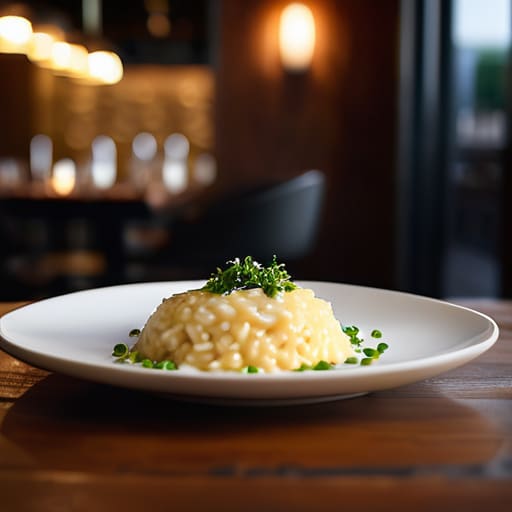
The moment that lukewarm risotto hits your tongue, the clock starts ticking. My advice? Don’t wait until you’re halfway through a bottle of Malbec to mention it. If you’re sitting there silently stewing over a piece of overcooked sea bass, you aren’t being “polite”—you’re actually making the kitchen’s job harder. When you finally speak up at the end of the night, the chef has already moved on to the next service, the prep list is done, and the opportunity to fix the error has vanished. Handling food quality issues is a matter of timing; the sooner you flag it, the sooner we can replace the plate without disrupting the flow of the entire dining room.
If the server seems flustered or unable to help, don’t feel you have to escalate to a confrontation. Asking for a moment to speak with the person in charge is a perfectly acceptable part of restaurant service etiquette. When you find yourself speaking to a restaurant manager, keep it clinical rather than emotional. Tell them exactly what is wrong—too much salt, undercooked, cold—rather than just saying it “isn’t good.” We can fix a seasoning error; we can’t fix a vague feeling.
The Unwritten Rules of the Post-Service Debrief
- Don’t wait for the check to perform an autopsy. If you wait until the bill arrives to mention the lukewarm soup, you aren’t “giving feedback,” you’re just making the manager’s life difficult when they’re already trying to close the books. Speak up while the kitchen is still in flow; it gives them the one thing they actually need to fix a mistake: time.
- Pick your battles based on the math. If the garnish is slightly wilted, let it go—it’s a minor friction point in a long evening. But if the protein is undercooked or the wine is corked, that is a fundamental failure of the product you paid for. Know the difference between a human error and a systemic breakdown.
- Respect the hierarchy of the floor. If the server is clearly drowning—three tables down, a broken glass in the corner, and a kitchen that’s running twenty minutes behind—don’t make your complaint a personal vendetta. They aren’t the reason the steak is late; they’re just the one caught in the crossfire. Ask for a manager only when the service itself is the problem, not the symptom of a chaotic shift.
- Watch your tone, because the “customer is always right” is a lie we tell to keep the peace, but “the customer is a reasonable person” is what actually gets you better service. If you approach a server with a sense of partnership rather than a sense of prosecution, they will move mountains to fix your meal. If you come in swinging, they’ll do exactly what’s on the ticket and nothing more.
- Understand the cost of a “comp.” When a restaurant takes a dish off your bill, they aren’t just losing the cost of the ingredients; they’re losing the margin that pays the rent and the wages. If they offer a genuine apology and a fix, accept it graciously. You don’t need to squeeze every penny out of a mistake to prove you were wronged; a professional resolution is enough.
The Bottom Line for a Better Table
Speak up early, not at the end; letting a mistake sit for forty minutes doesn’t make you polite, it just makes it impossible for the kitchen to fix the error without throwing their entire service into chaos.
Remember there is a human being behind the apron; a calm, quiet word to the server is infinitely more effective than a loud performance, because once you turn a dining room into a stage, you’ve lost the very atmosphere you paid to enjoy.
Realize that a complaint is a piece of data, not a battle; if you approach the issue as a way to help the restaurant get it right rather than a way to win a fight, you’ll find that most owners—myself included—are more than willing to make it right.
The Silent Cost of Silence
Don’t sit there nursing a lukewarm soup and a grudge just to feel morally superior; if you want the meal you actually paid for, tell us while the kitchen is still hot, because a complaint handled at the table is a correction, but a complaint handled at the till is just a lost customer and a wasted plate.
Rosalind Achterberg
The Last Word from the Pass
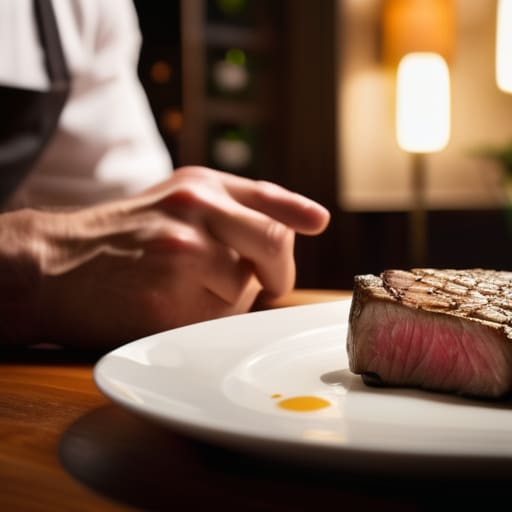
At the end of the day, complaining isn’t about winning an argument or getting a free dessert; it’s about closing the loop. If you speak up early, with clarity rather than heat, you give the kitchen a chance to fix the error before the momentum of the service shifts. Remember that a cold steak or a missing side dish is usually a breakdown in communication or a hiccup in the line, not a personal vendetta against your evening. By addressing the issue while the plates are still on the table, you allow the staff to protect the integrity of the dining room rather than forcing them to play damage control during the final sweep of the floor.
I spent nearly three decades watching how people treat the people behind the pass, and I can tell you this: the most memorable diners aren’t the ones who demand the world, but the ones who treat the staff like partners in the experience. When you approach a mistake with grace and directness, you aren’t just a customer; you become a part of the ecosystem that keeps a small business breathing. A restaurant is a delicate machine of moving parts, and when you help us fix a gear instead of just throwing sand in it, you help ensure that the lights stay on for another year.
Frequently Asked Questions
What do I do if the manager comes over to apologize but I feel like they're just trying to avoid giving me a discount?
Listen, I’ve been that manager. I’ve stood there with a rehearsed apology, praying a free dessert would stop the bleeding on the bottom line. If you suspect they’re just performing “service recovery” to protect the margin, don’t get defensive—get specific. Don’t ask for a discount; ask for a resolution. Say, “I appreciate the apology, but the meal didn’t meet the standard I paid for. How do we make this right?” It shifts the conversation from a plea to a negotiation.
Is it considered rude to ask for the manager immediately, or should I always try to resolve it with the server first?
Look, I’ve stood on both sides of that pass. If you call for a manager the second a soup arrives lukewarm, you’re not being a “discerning diner”—you’re just making the server’s life miserable for a mistake they can usually fix in thirty seconds. Try the server first. Give them the chance to make it right. Only escalate if they’re dismissive or if the error is so systemic that the floor is falling apart.
How do I handle a situation where the mistake was clearly my own, like ordering something I'm allergic to or misreading the menu?
Own it. If you misread the menu or forgot to mention an allergy, don’t try to pin it on the kitchen; that’s a quick way to lose the room’s sympathy. Walk over, catch the server’s eye, and say, “I’ve made a mistake, I didn’t realize this had [ingredient].” It’s a logistical headache for them, yes, but being honest allows them to pivot. A polite apology goes further than any demand for a free meal.
