 Written by
 Most people think a “complete guide to kitchen culture” involves fancy brigade systems, Michelin-starred egos, or some grand, sweeping philosophy about passion. They’re wrong. After twenty-six years of staring down a line of cooks during a Saturday night rush, I can tell you that culture isn’t found in a handbook or a mission statement taped to the walk-in; it’s found in the way your sous-chef handles a broken sauce at 9:00 PM, or how the dishwasher is treated when the prep list goes sideways. Real culture is the invisible glue that keeps a team from falling apart when the ticket machine won’t stop screaming and the profit margins are thinner than a radish slice.
I’m not here to sell you on the romance of the heat or the “glamour” of the industry. I’m here to tell you how to build a kitchen that actually works without burning your people—or your bank account—to the ground. This is my attempt at a complete guide to kitchen culture built on three decades of mistakes, near-misses, and the hard-won truth that a happy kitchen is usually just a well-organized one. We’re going to talk about the real stuff: staffing, communication, and why the most important person in your kitchen might be the one you never see.
The Kitchen Brigade System and the Price of Order
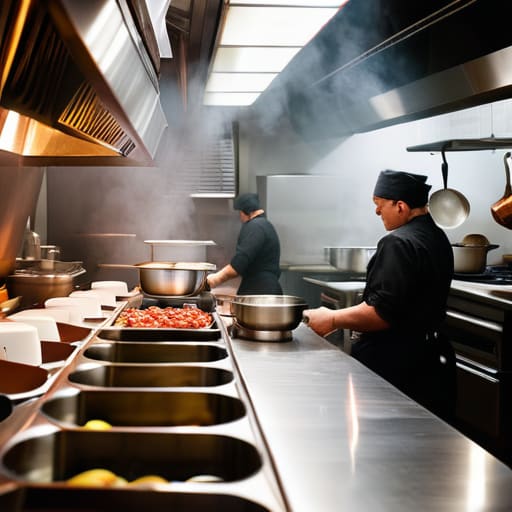
People talk about the kitchen brigade system as if it’s some grand, romantic tradition passed down through centuries of copper pans and white linen. In reality, it’s a survival mechanism. When you have forty covers hitting the pass at 8:15 PM and the printer won’t stop screaming, you don’t have time for a democratic vote or a group hug. You need a hierarchy that functions like a machine because, in a high-pressure professional culinary environment, indecision is the quickest way to a cold plate and a lost customer.
But here is what the textbooks won’t tell you: a rigid structure is only as good as the person holding the knife. I’ve seen brilliant chefs run their lines like a military junta, creating a culture of fear that burns through staff faster than a blowtorch. That isn’t leadership; it’s just ego. True kitchen management principles rely on knowing when to bark an order and when to step in and help a junior commis peel their mountain of shallots. You aren’t just managing food; you are managing the fragile temperaments of people who are hungry, tired, and standing in a hundred-degree room.
Culinary Team Dynamics Beyond the Heat of the Line
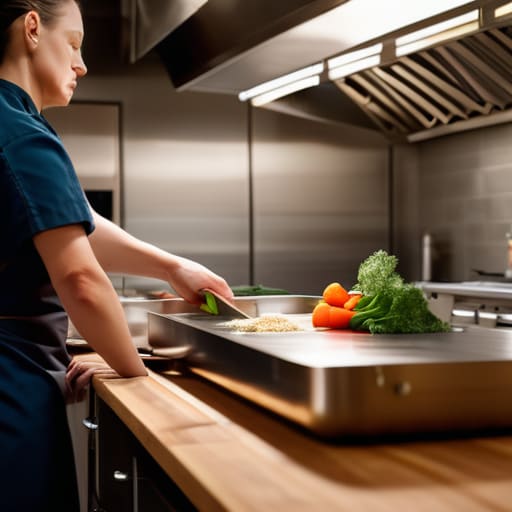
Once the tickets stop printing and the adrenaline levels drop, you see the real machinery of a restaurant. People think the drama happens during the rush, but the true test of culinary team dynamics is how the crew treats each other when the dining room is empty and the prep work is soul-crushingly repetitive. In my sixteen-cover room, I learned that a kitchen isn’t just a collection of cooks; it’s a fragile ecosystem of personalities. If the commis is terrified of the sous chef, they’ll hide a mistake rather than fix it, and a hidden mistake is a slow-motion train wreck for your food cost.
Effective workplace communication in kitchens isn’t about shouting orders; it’s about the quiet, respectful shorthand that keeps the machine greased. You need a culture where the dishwasher feels as vital to the service as the person plating the turbot. When leadership fails to foster that sense of shared ownership, you don’t just lose morale—you lose your best people to the restaurant next door. Good culture is built in the quiet moments, not just the loud ones, and it’s much harder to fix once it’s broken.
Five Hard Truths About Keeping a Kitchen from Cracking
- Stop romanticizing the ‘burnout.’ A kitchen that runs on adrenaline and screaming is just a business waiting for a massive lawsuit or a sudden exodus of talent. Real culture is found in the quiet, disciplined rhythm of a well-prepped station, not in the theatrical chaos that makes for good television but terrible margins.
- Respect the prep cooks as much as the sous chef. If your culture treats the people peeling shallots like second-class citizens, your line will eventually fail because no one will care enough to catch the small mistakes before they become expensive disasters. A kitchen is a hierarchy, yes, but it’s one built on mutual competence, not ego.
- The rota is your most important cultural document. If you are constantly asking your best people to work three doubles in a row to cover a gap, you aren’t ‘building grit’—you are burning through your most valuable capital. You can replace a broken whisk in ten minutes, but you can’t replace a head chef who has finally had enough.
- Communication must be clinical, not emotional. In the heat of service, there is no room for ‘vibes’ or passive-aggression. You need a culture where a mistake is corrected instantly, loudly if necessary, and then immediately forgotten. If you let a grudge simmer during the rush, it will eventually poison the entire pass.
- Invest in the ‘boring’ stuff. A culture of excellence is impossible if the knives are blunt, the walk-in is a mess, and the equipment is held together by prayer and duct tape. When you skimp on the tools, you tell your staff that their craft isn’t worth the proper investment, and they will start acting accordingly.
The Bottom Line of the Line
A kitchen isn’t a family; it’s a high-stakes production line where “culture” is often just a polite word for how much chaos a team can absorb before someone quits.
Respect in a kitchen isn’t earned through shouting or grand gestures, but through the quiet competence of a prep cook who has their mise en place perfect before the first ticket even prints.
If you treat your staff like disposable ingredients to save a few pennies on the labor margin, don’t be surprised when your service quality—and your bank balance—withers by mid-season.
The Invisible Ledger of the Line
Everyone talks about the passion in a kitchen as if it’s a free resource, but passion doesn’t pay the electricity bill or cover the cost of a broken sauce station at 8:00 PM; true kitchen culture isn’t found in the shouting matches during a rush, it’s found in the quiet, expensive discipline of a team that knows exactly how much a single wasted kilo of protein costs the person standing next to them.
Rosalind Achterberg
The Bottom Line of the Burn
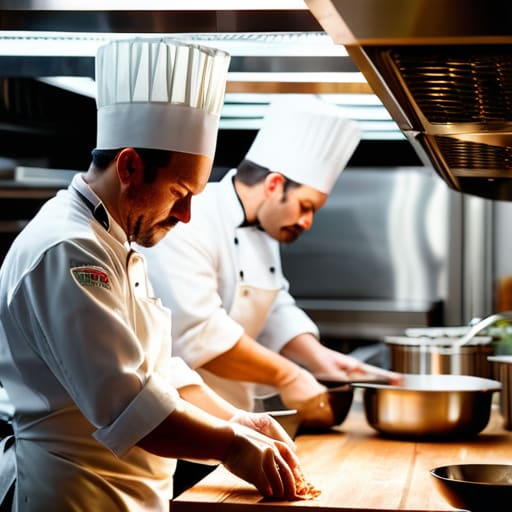
At the end of the day, kitchen culture isn’t some abstract concept you can polish up for a social media post; it is the invisible architecture that holds the entire business together. We’ve looked at how the rigid hierarchy of the brigade provides the necessary structure, and how the delicate, often unseen dynamics of the team determine whether a service runs like a clock or collapses into chaos. You can have the finest provenance in the world and a Michelin-star ambition, but if you don’t respect the human cost of the heat, the exhaustion, and the relentless pressure, your culture will eventually crack. A kitchen survives on more than just talent; it survives on operational discipline and the quiet, mutual respect that happens when the doors are locked and the last ticket is cleared.
If you are reading this because you are starting your own venture, or perhaps because you are currently drowning in a kitchen that feels more like a battlefield than a brigade, remember this: the food is what people pay for, but the culture is what keeps you in business. Don’t mistake noise for passion and don’t mistake fear for respect. Build a room where people can be professionals without being broken, because a sustainable kitchen is built on margins and sanity, not just adrenaline. It is a hard, beautiful, expensive way to make a living, but when you get the culture right, the service becomes an art form rather than a struggle for survival.
Frequently Asked Questions
How do you actually balance the need for military-style discipline on the line with the reality of keeping a team from burning out and walking out the door?
You balance it by remembering that “discipline” isn’t a substitute for a decent rota. On the line, you need the military precision to ensure the duck isn’t sent out cold, but once the tickets stop printing, the drill sergeant needs to clock out. If you treat your cooks like soldiers 24/7, they’ll desert you for a pub job. You give them structure during service so they can actually breathe during the lull.
When you're looking at the labor costs, how do you decide between hiring a seasoned chef who costs more and training a green commis who might mess up a service?
It’s the oldest math problem in the business. If you’re running a sixteen-cover room, you can’t afford a learning curve on a Saturday night; you hire the seasoned pro because their speed protects your margins. But if you’re building a culture, you need the green commis. You hire them when you have the breathing room to mentor, because a loyal cook you’ve trained is worth more than a mercenary chef who’ll leave for an extra fifty pence an hour.
What are the real signs that a kitchen's culture is rotting from the inside before it actually shows up in the food or the customer's experience?
You won’t see it in a broken sauce or a cold steak—those are just the symptoms. Look at the prep list. If the senior chefs are doing the basic chopping because the juniors are too checked out or too scared to touch a knife, the rot has set in. Watch the hand-offs during a rush. If there’s silence instead of communication, or worse, a sharp, biting sarcasm that isn’t a joke, the foundation is cracking.
