 Written by
I’ve sat through enough tasting menus where a sommelier spends ten minutes waxing poetic about “microclimates” and “ancestral soil” just to justify a forty-pound glass of something that tastes like expensive grass. It’s exhausting. People want to believe that the story of how English wine developed is some sort of romantic, inevitable triumph of spirit over nature, but that’s a load of rubbish. The truth is much messier. It’s a story of massive capital risk, a few very clever people who realized we weren’t just growing glorified cider, and a whole lot of stubborn trial and error that most people conveniently leave out of the glossy brochures.
I’m not here to sell you on the magic; I’m here to tell you about the mechanics. Over the next few sections, I’m going to strip away the marketing fluff and show you the actual bones of the industry—from the high-stakes gamble of planting vines in a country known for rain, to the brutal economics of why these bottles cost what they do. You won’t find any flowery prose here, just the unvarnished reality of how a bunch of ambitious growers turned a wet island into a serious contender.
Historical Wine Production in Britain Lessons From Failed Vintages
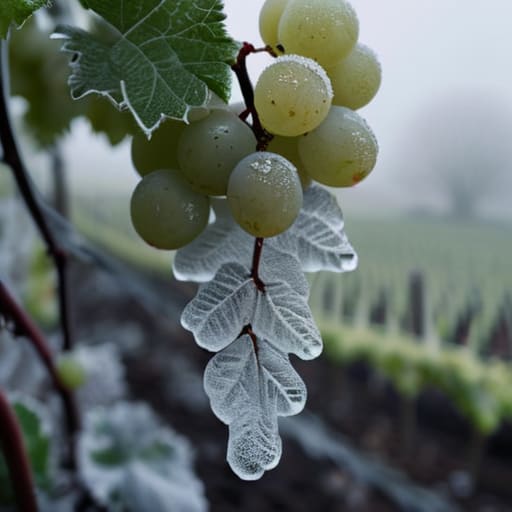
If you look at the history of historical wine production in Britain, you aren’t looking at a steady climb; you’re looking at a series of spectacular, expensive crashes. In the medieval era, we actually had quite a lot of vines, but they were at the mercy of a temperamentally British sky. One bad frost could wipe out a decade of investment, and back then, there was no insurance policy or climate-controlled cellar to catch you when you fell. Most of those early growers weren’t scientists; they were just people hoping the sun would bother to show up long enough to ripen a grape.
The real lesson learned from those failed vintages is that consistency is more expensive than talent. For centuries, the lack of reliable heat meant that anyone attempting viticulture in southern England was essentially gambling with their livelihood. We spent hundreds of years trying to force grapes to behave in a landscape that simply wasn’t ready for them. It wasn’t until we stopped trying to mimic the heavy, sun-drenched styles of the Mediterranean and started leaning into our own acidic, crisp reality that the industry finally found its footing.
The Brutal Reality of Viticulture in Southern England
People talk about the “miracle” of the English vineyard as if it were some sudden, magical shift in the atmosphere, but anyone who has ever had to manage a cellar knows that nature doesn’t give gifts; it only offers loans that eventually come due. The reality of viticulture in southern England isn’t found in glossy brochures; it’s found in the sheer, exhausting cost of fighting the damp. For decades, we weren’t making world-class sparkling wine; we were mostly just praying the mildew wouldn’t wipe out the entire season’s margin before the grapes even reached maturity.
You see, the climate change impact on vineyards isn’t some abstract scientific debate for us—it’s the difference between a profitable year and a catastrophic loss. It’s warmer, yes, but warmth without predictability is just a recipe for expensive mistakes. We used to spend our lives worrying about frost; now we worry about a summer that’s too hot, ripening the fruit before the acidity has had a chance to settle. It’s a delicate, expensive tightrope walk, and most people forget that behind every “bright, crisp note” in a glass is a grower who spent a fortune trying to keep the rot at bay.
The Business of the Bottle: What Actually Makes English Wine Work
- Stop looking for a miracle and start looking at the climate shift; English wine didn’t happen because of a sudden burst of genius, but because the weather finally stopped being our primary adversary and started being a partner we could actually work with.
- Understand that variety is a gamble, not a guarantee; the shift from heavy reds to sparkling-focused aromatics wasn’t a trend, it was a pragmatic pivot by growers who realized that fighting the frost with expensive heaters is a fast way to go bankrupt.
- Realize that ‘Englishness’ is a marketing tool that has to be backed by a balance sheet; you can call it local all you want, but if the cost of production per bottle doesn’t account for the shorter growing seasons, you’re just running a very expensive hobby.
- Respect the investment in technology over the romance of the vine; the reason these wines are suddenly competitive is because producers stopped praying for sun and started investing in precision viticulture and temperature control—the unglamorous, expensive guts of the industry.
- Watch the cellar, not just the vineyard; the development of the industry has been driven by people who understood that a great grape is worthless if you don’t have the technical skill to manage the acidity and the patience to wait for the secondary fermentation to actually behave.
What the Bottles Actually Tell You
English wine isn’t a sudden miracle of nature; it’s a hard-won victory of investment and sheer stubbornness over a climate that spent centuries trying to kill the idea of a vineyard.
The shift from failed experiments to serious production happened when people stopped treating it like a hobby and started treating it like the expensive, high-stakes business it actually is.
When you’re sipping a glass of sparkling English wine, remember you aren’t just tasting fruit; you’re tasting decades of expensive mistakes and the kind of grit required to make a vine grow where it shouldn’t.
The Cost of a Glass
People talk about English wine like it’s some sudden, miraculous triumph of spirit, but they forget that every bottle on a decent list represents a decade of fighting against a climate that didn’t want it and a bank balance that couldn’t afford to lose. It wasn’t built on ‘visionary viticulture’; it was built on sheer, stubborn grit and the kind of expensive mistakes you only make when you’ve decided that being right is more important than being comfortable.
Rosalind Achterberg
The Bottom Line on the English Vine
At the end of the day, the story of English wine isn’t a fairy tale of sudden triumph; it is a ledger of grit. We have looked at the centuries of frost-bitten failures, the brutal physics of trying to grow delicate grapes in a country that loves its rain, and the sheer, stubborn capital required to turn a field into a vineyard. It hasn’t been easy, and it hasn’t been cheap. But what we are seeing now is the result of people finally learning how to work with the climate rather than fighting a losing battle against it. The industry has moved past the experimental phase and into something much more professional—and much more expensive—which is exactly what it needs to be if it wants to survive the next decade.
If you find yourself sitting at a bar this weekend, do me a favour and order a glass of something local. Don’t do it because a critic told you it’s “transformative,” but because you want to taste the hard-won reality of a crop that shouldn’t exist, yet does. There is a certain dignity in a product that has survived the sheer improbability of its own existence. English wine is no longer a curiosity for the curious; it is a legitimate, albeit difficult, business that has earned its place on the table through sheer persistence. It’s a gamble that is finally starting to pay off.
Frequently Asked Questions
If the climate is finally playing ball, why hasn't every small-scale grower in the country jumped on the bandwagon?
Because “playing ball” doesn’t pay the mortgage. Anyone can buy a bottle of sparkling, but very few can afford the five years of heartbreak it takes to grow the grapes. You need specialized machinery, expensive trellis systems, and a staff that knows how to prune without killing the vine. Most people see a sunny summer; I see a massive capital outlay and a terrifyingly long wait before you see a single penny of profit.
Is the high price tag on a bottle of English sparkling wine actually justified by the quality, or am I just paying for the marketing and the struggle?
You’re paying for both, but mostly for the math. When you see a £50 price tag, you aren’t just paying for bubbles; you’re paying for the fact that English growers are playing a high-stakes game with a temperamental climate. Between the specialized labor, the sheer cost of land, and the terrifyingly low yields compared to France, the margins are razor-thin. It’s not just marketing—it’s the cost of staying solvent while waiting for a sunny Tuesday.
How much of this "English wine revolution" is actually about the grapes themselves, and how much is just clever branding to compete with the French?
Look, it’s both, and trying to separate them is a fool’s errand. The grapes are genuinely better now—better clones, smarter viticulture, and a climate that finally stopped being a spiteful enemy. But let’s be honest: you can grow the finest Chardonnay in the world, but if you don’t wrap it in a label that commands respect, you’re just selling expensive juice. The branding isn’t a lie; it’s the margin that keeps the vineyard solvent.
