
 Written by
 I remember sitting in my sixteen-seat dining room on a rainy Tuesday in November, staring at a delivery invoice that made my eyes water. A supplier was trying to sell me a “premium” Sauvignon Blanc for the house pour, wrapped in a label that looked like it belonged in a museum, claiming it would elevate the guest experience. I nearly threw the bottle back at him. People think knowing how to choose a house wine is about finding the most prestigious label to hide behind, but that’s a lie told by people who don’t have to balance a ledger. A house wine isn’t a trophy; it’s the workhorse of the cellar, and if you pick one based on hype rather than how it actually behaves when the dining room is full and the kitchen is screaming, you’re setting yourself up for a disaster.
I’m not here to give you a lecture on tannins or soil composition that you can find in any dusty textbook. Instead, I’m going to tell you how to choose a house wine that actually makes sense for the bottom line and the plate. We’ll talk about the real math of margins, why a reliable screwcap is often better than a finicky cork, and how to find that sweet spot where the customer feels they’ve gotten a bargain while you actually keep the lights on.
Balancing Wine Quality and Cost Without Sacrificing Integrity

When I ran my sixteen-cover place, I used to lie awake wondering if I was being too stingy or too reckless. The truth is, a house wine isn’t a luxury item; it’s the engine room of your beverage program. You aren’t looking for a showstopper that makes the critics weep; you’re looking for a reliable workhorse. Successful restaurant wine list strategy isn’t about finding the cheapest bottle on the rack—it’s about finding the most honest one. If the wine tastes like vinegar or industrial alcohol, no amount of clever pricing will save your reputation. People will forgive a modest price, but they won’t forgive being served something that makes them reach for their water glass instead of their second pour.
To master balancing wine quality and cost, you have to stop thinking like a drinker and start thinking like an accountant. I always looked for high-volume, mid-tier regions—think certain parts of Spain or the New World—where you can get real character without the prestige markup. You want a bottle that holds its own against a heavy sauce but doesn’t require a lecture to explain. It’s a tightrope walk: you need to protect your wine profit margins enough to keep the lights on, but you have to leave enough room for the guest to feel like they’ve actually gained something by sitting at your table.
The Real Reason Restaurant Wine List Strategy Dictates Your Survival
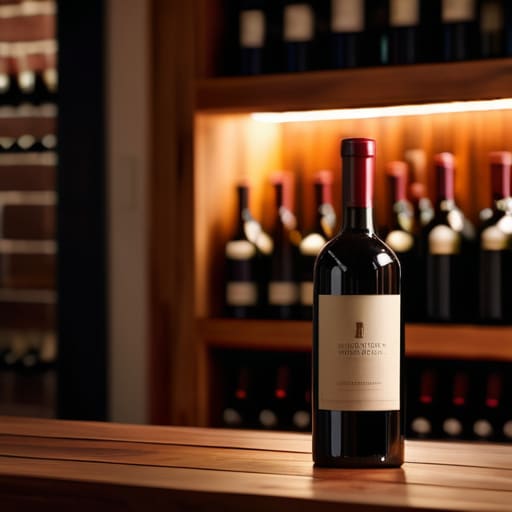
Most people think a wine list is just a curated collection of bottles meant to impress, but in a small dining room, it’s actually a mathematical tightrope. You aren’t just picking labels you like; you are engineering your survival. A smart restaurant wine list strategy isn’t about having the rarest vintage in the county; it’s about understanding how much of your liquid gold is actually going to pay the electricity bill at the end of the month. If you over-invest in high-end bottles that sit on the shelf gathering dust, you aren’t a connoisseur—you’re just a hoarder with a very expensive hobby.
The secret lies in the invisible math of wine profit margins for restaurants. I always told my staff that the house pour needs to be the workhorse, not the show pony. You want something reliable and approachable that allows for a healthy markup without making the customer feel like they’re being mugged. It’s a delicate dance of selecting affordable varietals that punch well above their weight class, ensuring that even when the dining room is half-empty on a rainy Tuesday, the cellar is working for you, not against you.
The Practicalities: Five Rules for a House Pour That Actually Works
- Look for the “Workhorse” Profile. Your house wine shouldn’t be a showstopper; it should be a reliable laborer. You want something with enough backbone to stand up to a bit of salt or fat, but enough neutrality that it won’t fight with a guest who just wants a simple glass of something cold. If it’s too “boutique,” you’ll find yourself apologizing when a customer finds it too polarizing.
- Stop Chasing the Lowest Price Tag. I’ve seen too many young owners try to squeeze their margins by buying the absolute bottom-of-the-barrel swill. You might save three cents a glass, but you’ll lose the customer who realizes they’re drinking fermented vinegar. A house wine is a handshake; if it tastes cheap, the guest assumes your kitchen is cheap, too.
- Consistency is the Only Metric That Matters. I didn’t care if the vintage changed slightly, but I cared immensely if the character did. If your supplier sends you a crisp Sauvignon Blanc one month and a flabby, oaky mess the next, your staff will start making excuses for it, and your regulars will stop ordering it. Pick a producer who knows how to keep their style steady.
- Train Your Staff to Sell the “Why,” Not Just the “What.” If a server can only say, “The house red is twelve pounds,” they’ve failed. They should be able to say, “It’s a lovely, easy-drinking Malbec that won’t overwhelm your pasta.” When the staff understands the wine’s role on the table, they sell it with confidence rather than just reading a price off a sheet.
- Watch Your Inventory Turnover Like a Hawk. A house wine is meant to move. If you have twenty cases of a specific Chardonnay sitting in the cellar because nobody is touching it, that’s not a wine list—it’s a graveyard of tied-up capital. If it isn’t moving, it isn’t a house wine; it’s a mistake. Swap it out and find something people actually want to drink.
The Bottom Line: What You’re Actually Drinking
A decent house wine isn’t a budget compromise; it’s a calculated choice to provide a reliable, high-volume bottle that protects your margins while ensuring the guest doesn’t feel like they’re being punished for not ordering the reserve.
Stop chasing trends and start looking for consistency—your house pour needs to taste exactly the same on a rainy Tuesday as it does on a frantic Saturday, because nothing kills a regular’s trust faster than a cellar that fluctuates.
Remember that your house wine selection is your safety net; if you can’t find a bottle that works for the majority of your menu without needing a sommelier to explain it, you haven’t found a house wine, you’ve found a liability.
The Myth of the 'Cheap' Bottle
A house wine isn’t a budget bin choice; it’s a survival strategy. If you pick something so thin and acidic that the customer reaches for the expensive Pinot to wash away the bad taste, you haven’t saved money—you’ve just sabotaged your own margins and lost their trust before the appetizers even arrive.
Rosalind Achterberg
The Bottom Line and the Next Pour

At the end of the day, picking a house wine isn’t some grand exercise in sommelier-level curation; it’s a calculated move to keep the engine running. You aren’t looking for a trophy bottle to sit on a shelf gathering dust; you are looking for that reliable, high-volume workhorse that won’t make a customer regret their choice or make a manager regret their margins. It’s about understanding that your house pour is the foundation of your beverage program, balancing the cost of the bottle against the reality of your food costs and the speed of your service. If you try to overreach with something too precious, you’ll bleed cash; if you go too cheap, you’ll lose the trust of the very people who keep your lights on.
If there is one thing I learned from twenty-six years of watching the clock and the till, it’s that honesty is the best vintage. Don’t try to pretend a mediocre, mass-produced jug is a boutique discovery just because the label looks rustic. Your customers can smell a lie faster than a spoiled sauce. Instead, find a wine that does exactly what it says on the tin, serves your menu with dignity, and lets you sleep at night knowing the math actually works. A restaurant survives on the small, smart decisions made behind the scenes, and a well-chosen house wine is one of the smartest ones you’ll ever make.
Frequently Asked Questions
If I’m running a tiny room with limited storage, should I stick to one versatile red and one white, or is it worth the headache to offer more variety?
Listen, if you’re working with a tiny footprint, don’t try to be a sommelier. You’ll end up with a cellar full of slow-moving capital and a storage room that looks like a graveyard for half-empty bottles. Stick to two versatile, high-quality pillars—one crisp white, one medium-bodied red—that play well with almost everything on your menu. Variety is a luxury; in a small room, consistency and cash flow are your real best friends.
How much can I actually get away with marking up a decent bottle before my regulars start feeling like I'm taking advantage of them?
You’re looking for the sweet spot between a healthy margin and a knife in your back. There isn’t one magic number, but if you’re doubling the wholesale price on a decent bottle, you’re playing with fire. I always aimed for a 2.5x to 3x markup on the staples, but the moment a regular realizes they’re paying forty quid for a bottle they saw for twelve at the local shop, you’ve lost them. It’s about perceived value, not just math.
When a supplier offers me a "special deal" on a case of wine, how do I know if it’s a genuine bargain or just them trying to offload stock that won't actually move?
Listen, I’ve sat across from enough sales reps to know that “special deal” is often code for “this has been sitting in my warehouse since the last lockdown.” Before you sign, look at the movement, not the discount. If it’s a high-turnover bottle that fits your menu’s profile, take it. But if it’s a niche vintage that requires a specific type of customer you don’t actually have, you aren’t saving money—you’re just buying expensive dust.
