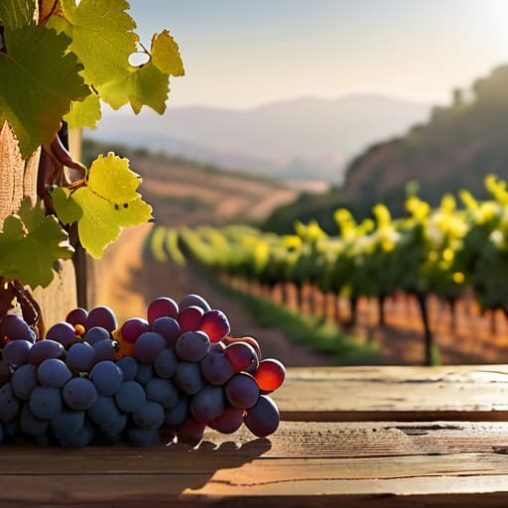
 Written by
 I spent twenty-six years watching people order wine based on the prestige of a label or the sheer weight of a gold-embossed neck tag, and frankly, it breaks my heart. Most critics will sit you down and drone on about “microclimates” and “geological compositions” as if they’re reading a textbook, but they miss the point entirely. If you want to understand how wine regions differ, you have to stop listening to the marketing fluff and start looking at the struggle of the vine. A grape doesn’t care about a fancy map; it cares about whether the soil is thirsty, if the wind is biting, or if the sun is punishing.
I’m not here to give you a geography lesson that requires a PhD to navigate a cellar list. Instead, I’m going to tell you what those regional differences actually mean for your palate and, more importantly, your wallet. I’ll strip away the pretension to show you why a certain valley produces a wine that tastes like granite and flint, and why another yields something soft and predictable. This isn’t about memorizing coordinates; it’s about understanding the real-world logic behind the glass.
Old World vs New World Wine Styles a Battle of Tradition
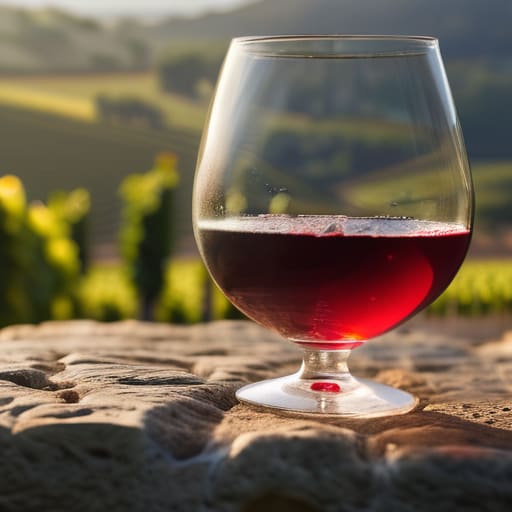
When you sit down at a table, you’ll notice a divide that has nothing to do with the price of the menu and everything to do with philosophy. On one side, you have the Old World—think France, Italy, or Spain—where the wine is a product of history and restraint. These wines don’t try to scream; they whisper about the limestone or the slate they grew in. It’s all about understanding wine terroir concepts as a way of respecting what the land has already decided to give you. You aren’t just drinking fermented juice; you’re drinking a specific, often difficult, piece of geography.
Then you have the New World, where the approach is more like a confident chef with a brand-new set of knives. Australia, Argentina, or California aren’t as burdened by what their grandfathers did, so they lean into the fruit. It’s bolder, more predictable, and often more “delicious” in a literal sense. However, there is a massive impact of soil composition on wine that these newer regions sometimes mask with clever cellar work. While the Old World lets the struggle show through the glass, the New World often aims for the perfection of the fruit.
Understanding Wine Terroir Concepts Beyond the Marketing Hype
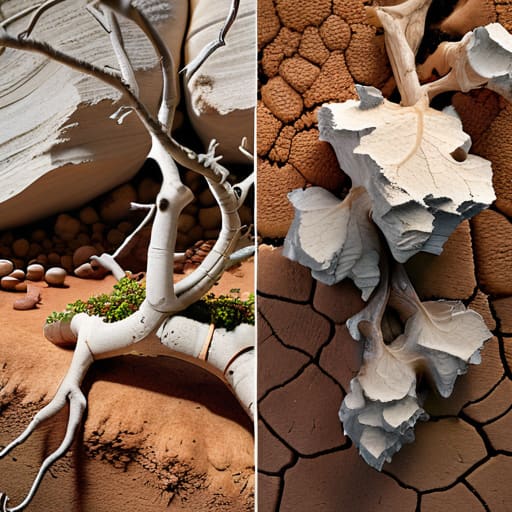
When you see “terroir” printed on a back label in a fancy font, most people think it’s a magic word used to justify a thirty-percent markup. In my dining room, I saw it used as a shield for mediocre bottles all too often. But if you strip away the marketing fluff, terroir is actually the most practical thing in the cellar. It’s the grit, the drainage, and the struggle of the vine. When we talk about understanding wine terroir concepts, we aren’t talking about poetry; we are talking about why a grape from a limestone slope in Burgundy behaves entirely differently than one from a heavy clay field in the valley.
It’s a matter of physics and economics. You have to look at the impact of soil composition on wine—how much water is actually reaching those roots—and how much work the grower had to do to keep the vines alive. If a vineyard is perched on a steep, rocky incline, the cost of harvest goes up because you can’t run a machine over it. That isn’t just “character”; it’s a line item on a balance sheet that eventually lands on your check. Real terroir is the tangible result of viticulture and environmental factors fighting against the vine, and it’s the only thing that prevents every bottle from tasting like nothing more than fermented fruit juice.
The Real-World Variables: What Actually Dictates the Bottle
- Stop chasing the grape and start watching the weather; a region’s identity isn’t found in the varietal name, but in the volatility of its seasons. A Cabernet from a place with a long, hot summer will never taste like a Cabernet from a place that fights a constant battle against the frost, no matter what the label says.
- Pay attention to the altitude and the slope, because geography is the silent partner in every cellar. If a vineyard sits on a steep, sun-drenched hillside in a cool climate, it’s working twice as hard to ripen, and that struggle is exactly what you’re paying for in the glass.
- Look for the “intervention” level, because how much a winemaker fights the region tells you everything about the terroir. In some places, the goal is to let the soil speak through the fruit; in others, the winemaker is using every tool in the shed to make sure the wine tastes “correct” for a global market.
- Understand that soil isn’t just dirt, it’s a drainage system and a temperature regulator. When a waiter tells you a wine has “minerality,” they’re often trying to describe the way a specific limestone or schist bed forced the vines to dig deep and work for their sugar, which is a much more expensive process than growing in easy, loamy topsoil.
- Factor in the cost of transport and the reality of the supply chain. A wine from a remote, traditional region often carries a higher price tag not just because the grapes are good, but because the logistics of getting a single case out of a mountain village and onto a restaurant’s list is a nightmare that someone—usually the owner—has to pay for.
What to Carry Away from the Table
Stop chasing labels and start looking for logic; a wine’s character isn’t a magic trick, it’s just the predictable result of how a specific patch of dirt and a specific set of weather patterns forced a grape to behave.
Don’t let the “Old World” versus “New World” debate fool you into thinking one is better; it’s really just a distinction between those who let the land dictate the style and those who use technology to dictate the flavor.
When you see a price jump on a wine list, remember you aren’t just paying for the liquid, you’re paying for the risk of the harvest, the cost of the transport, and the sheer stubbornness of a grower trying to keep a tradition alive in a changing climate.
The Myth of the Perfect Bottle
Stop looking for a wine that tastes like a textbook; a region isn’t just a line on a map, it’s the reason your glass tastes like sun-drenched fruit or a cold, stony struggle, and frankly, if you can’t taste the geography, you’re just drinking expensive colored water.
Rosalind Achterberg
Beyond the Label
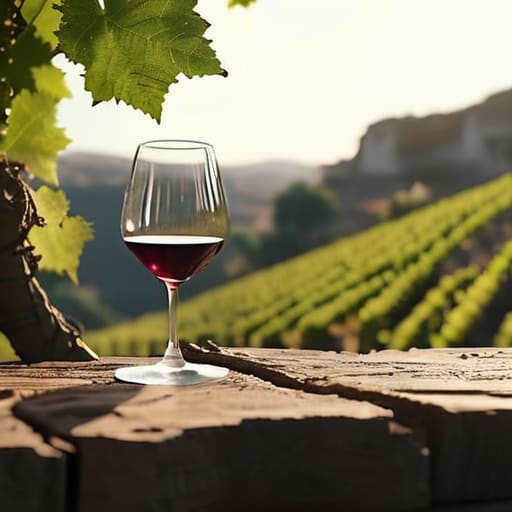
At the end of the day, understanding how wine regions differ isn’t about memorizing a map or passing some sommelier’s exam; it’s about recognizing the invisible hands at work. We’ve looked at how the Old World clings to its history while the New World leans into its freedom, and we’ve stripped away the marketing fluff to see that terroir is more than just a buzzword—it is the literal grit and climate that dictates whether a grape thrives or merely survives. Whether you are sipping a structured Bordeaux or a fruit-forward Malbec, remember that every bottle is a balance sheet of sunlight, soil, and human labor. When you understand the geography, you stop seeing just a price tag and start seeing the logic of the landscape.
My advice to you, whether you’re dining at a white-tablecloth establishment or sitting at a scratched wooden bar, is to stop looking for the “perfect” region and start looking for the honest one. Don’t let a fancy label or a prestigious appellation bully you into thinking you don’t know what you like. A great wine doesn’t need to be complicated to be profound, and it doesn’t need a famous zip code to tell a story. Just pull up a chair, take a sip, and listen to what that specific patch of earth is trying to tell you. The best way to learn is to drink your way through the mistakes.
Frequently Asked Questions
If a region is famous for a certain grape, why does the same bottle taste completely different when it's produced just fifty miles away?
It’s the same question I used to get from regulars who thought a label was a guarantee of a flavor profile. Fifty miles isn’t just a distance on a map; it’s a different slope, a different pocket of limestone, or a different way the wind hits the vines. You can plant the same Chardonnay in two adjacent valleys, but if one sits in a shadow and the other catches the morning sun, you aren’t drinking the same wine. One is a bright, acidic snack; the other is a heavy, buttery weight. Geography doesn’t care about your expectations.
How much of a wine's "character" is actually the winemaker's ego versus the actual dirt in the vineyard?
Look, if you’re asking if the dirt matters, the answer is yes—but don’t let a flashy label fool you. The soil provides the bones, the limits, and the struggle. But the winemaker? They’re the ones deciding how much of that struggle to let you taste. A great winemaker works with the terrain to highlight it; a vainglorious one tries to paint over it with heavy oak or excessive alcohol. It’s a tug-of-war between nature and ego.
When I'm looking at a wine list, how can I tell if a high price tag is paying for superior geography or just a clever marketing department?
Look past the gold foil and the heavy-handed adjectives. If a bottle is priced high because of “prestige,” check the producer’s history—are they consistent, or just good at buying Instagram ads? Real value lies in the specificity of the vintage and the estate. A high price should reflect the difficulty of the harvest or the scarcity of the land, not a fancy label. If the list can’t tell you why it’s expensive, you’re just paying for their marketing budget.
