 Written by
 I’ve spent thirty-eight years watching people treat a solo meal like a sentence to be served rather than a choice to be made. Most of the advice you’ll find online about how to eat well alone is either patronizingly sweet or suggests you need a specialized “lifestyle” to pull it off. They tell you to buy expensive linen napkins or pretend you’re in a movie, but they miss the point entirely. Real solo dining isn’t about performing for an imaginary audience or masking a sense of loneliness; it’s about the quiet, expensive luxury of total control. It’s about realizing that when you aren’t busy negotiating who gets the last bit of sea bass or whether the wine list is too ambitious, you can actually taste the damn food.
I’m not here to give you a checklist of “self-care” rituals. Instead, I want to talk about the logistics of it—the way a well-run bar seat can be better than a corner table, how to navigate a menu without feeling like you’re wasting a kitchen’s effort, and why the best meals are often the ones where nobody is watching you. I’ve run the pass, I’ve balanced the books, and I’ve sat at a dozen different counters this year alone; I’ll tell you how to do it right.
Overcoming Dining Anxiety at the Bar

The hardest part isn’t the food; it’s the walk from the door to the stool. I’ve seen it a thousand times: a person enters a room, scans for the “empty” corner, and settles for a table that feels like an island of isolation. If you want to start embracing solitude in restaurants, stop looking for corners and start looking for the bar. The bar is the professional’s refuge. It is the only place in the house where being alone is the default setting, not a deviation. When you sit there, you aren’t “the person dining alone”; you are simply another patron, and the rhythm of the room naturally absorbs you.
If you’re struggling with overcoming dining anxiety, remember that the staff is your greatest ally. In my old place, I always told my servers that a solo diner at the bar is the easiest guest to please because they aren’t performing for anyone else. They are there for the craft. Lean into that. Let the bartender be your anchor. They are trained to manage the flow, and once you realize that the room isn’t actually watching you—they’re far too busy worrying about the pass and the floor—the tension tends to melt away.
The Art of Mindful Solo Eating Habits
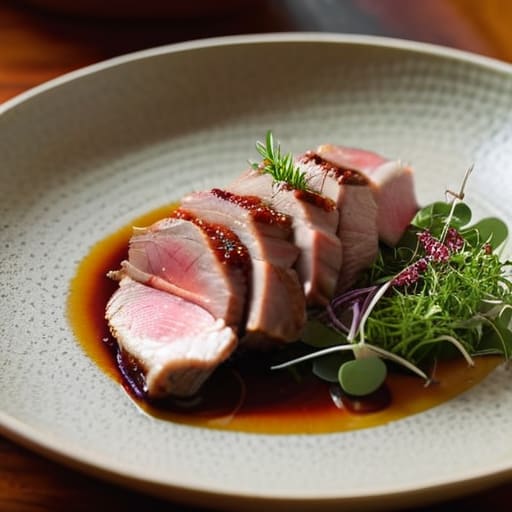
The real trick to developing mindful solo eating habits isn’t about finding a way to distract yourself with a smartphone while you chew; it’s about actually paying attention to the work on the plate. When you’re dining with a companion, half your brain is busy managing the conversation, scanning their face for cues, and making sure the rhythm of the meal stays balanced. Alone, you have no such obligation. You can finally notice that the acidity in the vinaigrette is there to cut through the fat of the duck, or that the chef has used a specific herb to brighten a heavy sauce.
I used to see young chefs get quite defensive when they noticed a solo diner staring intently at their food, but they should take it as the highest compliment. It means the person is practicing self-care through food by treating the meal as an event rather than just fuel. Stop treating your solo outings like a logistical problem to be solved or a hunger gap to be filled. Instead, treat it as an opportunity to decompress. When you stop rushing to finish just so you can escape the room, you start to realize that the quietest table in the house is often the most rewarding one.
The Proprietor’s Guide to Navigating the Solo Table
- Choose the bar, not the table. When you sit at a table for one, you’re an island; when you sit at the bar, you’re part of the room’s circulation. It’s easier on the nerves, and frankly, it’s much easier for the staff to keep an eye on your water glass without making it a whole production.
- Avoid the ‘Menu Paralysis’ trap. When you’re alone, you don’t have a companion to help you decide, so don’t try to order the entire tasting menu just to feel justified. Pick one standout dish and one drink. It keeps the kitchen’s pace steady and prevents you from feeling like you’re performing a feat of endurance.
- Timing is your secret weapon. If you want the best service without the pressure, aim for the lull—usually between 6:00 and 7:00 PM. The staff isn’t in the weeds yet, the kitchen isn’t shouting, and you won’t feel like you’re taking up a seat that a paying party of four is waiting for.
- Bring a physical notebook, not a phone. If you’re staring at a screen, you’re signaling to the room that you’re unavailable. If you have a notebook, you look like a person with a purpose. It gives you something to do with your hands and allows you to actually record the things that matter—the acidity of the sauce or the way the lighting hits the linen.
- Master the art of the ‘Quiet Exit.’ You don’t need to linger for an hour of small talk with the server once you’ve finished. Pay your bill, leave a generous tip—because solo diners are often the most profitable customers a restaurant has—and walk out. A graceful exit is the mark of a seasoned diner.
The Real Value of the Solo Table
Treat solo dining as a way to reclaim your time and budget; when you aren’t paying for a second entrée or a round of cocktails you didn’t want, you can afford to spend that money on one truly exceptional ingredient.
Seek out the bar or the counter, not because you’re hiding, but because that is where the restaurant’s pulse lives and where the staff are most likely to offer you the kind of intuitive service that doesn’t require a formal performance.
Stop viewing a single seat as a lack of company and start seeing it as an act of culinary autonomy—it is the only time you can judge a kitchen’s skill without having to manage someone else’s opinion of the salt levels.
The Truth About the Solo Diner
People think eating alone is a sign of loneliness, but in this business, we know better; the person sitting solo at the bar is often the only one in the room who isn’t performing, and there is a profound, expensive kind of dignity in being able to sit with your own thoughts and a well-executed plate without needing a distraction to justify the cost.
Rosalind Achterberg
The Last Table of the Night
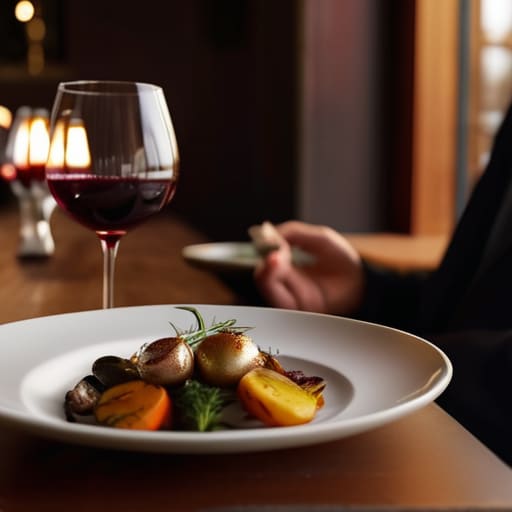
At the end of the day, eating alone isn’t a problem to be solved or a social deficit to be patched with a smartphone screen. It is a series of practical choices: choosing the bar seat to ease the pressure, mastering the art of being present with your food, and understanding that true dining is about the quality of the ingredients and the rhythm of the service, not the size of your party. Whether you are navigating the anxiety of a solo reservation or simply learning to sit with your own thoughts, remember that you are not “missing” a companion; you are investing in your own company.
I spent twenty-six years watching people perform for one another across white tablecloths, often forgetting to actually taste the sauce or hear the conversation. There is a profound, quiet dignity in the person who sits alone, orders a decent glass of wine, and treats their meal like the essential business of living. Don’t wait for a partner, a friend, or a special occasion to grant yourself permission to enjoy a beautiful plate of food. The world is full of excellent kitchens, and you are more than enough of a guest to fill the seat.
Frequently Asked Questions
How do I handle the awkwardness of being seated at a table for two when the restaurant is half-empty?
Look, I’ve sat on both sides of that pass, and I promise you: the “awkwardness” is entirely a ghost in your own head. If the room is half-empty, the staff is likely breathing a sigh of relief that they aren’t in the weeds. You aren’t an intruder; you’re a guest. If you feel exposed, ask for a corner table or a booth. Most of the time, the only person judging you is you.
Is it actually possible to get a decent, high-quality meal at a bar without feeling like I'm just eating "pub food"?
It’s absolutely possible, but you have to stop looking for “bar food” and start looking for “bar seating.” In a proper kitchen, the bar is the best seat in the house because it’s the frontline. Look for places where the menu is a condensed version of the dining room, not a separate, greasy afterthought. If the chef is still running the pass and the service is tight, that plate is just as rigorous as the one on the white tablecloth.
How much of a burden am I actually being on the staff when I take up a seat during a busy service?
It depends entirely on the math. If you’re sitting at the bar, you’re usually a blessing; you’re easy to serve and you don’t require a full linen setup. But if you take a four-top table during a Friday rush just to read a book, you’re costing me money. Every empty chair is a missed opportunity for a larger bill. If you’re eating, you’re a guest. If you’re just occupying space, you’re a liability.
