 Written by
 I once watched a young owner—bright-eyed, well-meaning, and utterly doomed—spend his entire opening month’s profit on a collection of rare, dusty Burgundies that sat untouched in a cellar while his guests sat staring at a list they couldn’t decipher. He thought he was building prestige, but he was actually just building a graveyard for his cash flow. Most people think learning how to build a wine list for a small room is about curation and prestige, but if you’re working with limited square footage and even more limited capital, it’s actually about survival and velocity. You don’t need a library; you need a list that moves.
I’m not here to give you a lecture on tannins or the history of the Loire Valley. I’m going to tell you how to select bottles that actually turn over, how to price them so you can actually pay your rent, and why a short, sharp list is infinitely more profitable than a sprawling one. We’re going to look at the math, the storage constraints, and the reality of what a guest actually wants to order on a Tuesday night. No fluff, no hype—just the mechanics of making sure your cellar stays liquid, rather than becoming a heavy, expensive anchor.
Curating a Boutique Wine Selection Without Breaking the Bank
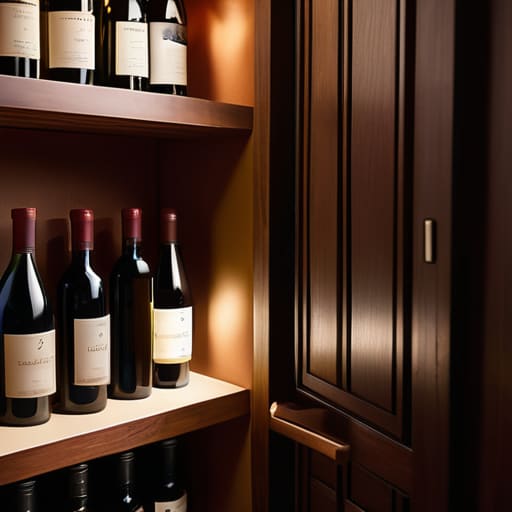
When you’re working with limited square footage, every bottle on your shelf is a piece of real estate that has to pay rent. I used to see young owners trying to look “sophisticated” by stocking fifty different labels, only to realize they were just optimizing wine cellar space for nothing but dust and dead capital. You don’t need a library; you need a toolkit. If a bottle isn’t moving, it’s not an asset—it’s a liability sitting there eating your cash flow.
The trick to curating a boutique wine selection isn’t about finding the rarest vintage in the Loire; it’s about finding the bottles that bridge the gap between your food and your bottom line. I always looked for “workhorse” wines—labels that were high enough quality to justify a decent markup, but reliable enough that my staff wouldn’t need a PhD to describe them to a regular. You want wines that offer a story, yes, but more importantly, you want wines that turn over. If you aren’t looking at your profit margins on wine by the glass every single week, you aren’t running a wine program; you’re running a very expensive hobby.
Profit Margins on Wine by the Glass and the Real Cost of Variety

Everyone loves the idea of a sprawling, floor-to-ceiling cellar, but in a sixteen-cover room, every bottle sitting idle is just money gathering dust. You have to stop thinking about what looks impressive on a printed page and start thinking about profit margins on wine by the glass. When you pour a glass, you aren’t just selling fermented grapes; you are covering the cost of the electricity for the fridge, the wages of the person polishing the stemware, and the inevitable loss from that one bottle that sits open too long and turns to vinegar. If your “by the glass” selection is too ambitious, you aren’t being a connoisseur—you’re being reckless with your cash flow.
The trap most new owners fall into is chasing variety at the expense of velocity. They think a diverse list keeps people coming back, but excessive choice is the enemy of efficiency. If you have ten different whites but only sell two bottles of each a month, you are suffocating your capital. Effective wine list pricing strategies require you to lean into what actually moves. I always told my staff: I’d rather have five bottles that fly off the shelf than fifty that sit there looking lonely. You need to know exactly how many pours you get out of a bottle before you even pull the cork.
Five Hard Truths for the Small-Room Cellar
- Stop trying to be a library. In a sixteen-cover room, you don’t need a hundred labels to look “serious”; you need ten labels that you know inside out. If your staff can’t describe the acidity of a Riesling without looking at a cheat sheet, you shouldn’t be buying it. A small list allows for intimacy, and intimacy requires expertise, not just inventory.
- The “By the Glass” trap is where small rooms go to die. Every bottle you open for a single pour is a gamble against your rent. If you’re going to offer variety by the glass, you better have a plan for the leftovers—either a very clever way to use them in a reduction or the discipline to only open a bottle when the reservation book looks heavy.
- Buy for the palate of your regulars, not for the trends on Instagram. I’ve seen too many young owners sink their working capital into some “natural” orange wine that tastes like a compost heap just because it’s trendy. If your regulars want a reliable, crisp Sauvignon Blanc to cut through their seafood, give them the best version of that. Trends fade; reliable margins don’t.
- Negotiate for more than just price. When you’re talking to a distributor, don’t just haggle over the cost per case—ask about the terms. Can they swap out a slow-mover for something else? Can they help with training? In a small business, your relationship with your supplier is your safety net when a shipment arrives corked or a crate goes missing.
- Watch your breakage and your storage like a hawk. It sounds trivial until you realize a dropped bottle of vintage Bordeaux is effectively three hours of labor and a whole evening’s profit gone in a second. In a small room, you don’t have the “buffer” to absorb sloppy handling. Every bottle is a piece of your overhead, so treat it with the respect it deserves.
The Hard Truths of the Wine List
Stop buying for your ego and start buying for your inventory; every bottle sitting on a shelf for six months isn’t a “collection,” it’s dead cash that could have paid your electric bill.
Variety is a trap that kills your margins, so pick five reliable, high-turnover styles that your staff can actually talk about, rather than fifty obscure labels that will just end up gathering dust.
Your “by the glass” selection is your most important marketing tool, not just a way to make a quick buck—it’s the bridge that turns a casual drinker into a regular who trusts your palate.
## The Illusion of Choice
A wine list isn’t a library, and you aren’t a curator; you’re a business owner trying to keep the lights on. If you try to please everyone by stocking every region under the sun, you’ll end up with a cellar full of expensive dust and a bank balance that can’t cover next month’s rent. I’d rather see ten bottles that move every single week than a hundred that sit there waiting for a customer who doesn’t exist.
Rosalind Achterberg
The Bottom Line in the Glass
At the end of the day, building a wine list for a small room isn’t about showing off your sophistication or proving you can source a rare Nebbiolo from a tiny hillside in Piedmont. It is about balance. You have to balance the desire to impress with the brutal necessity of cash flow, and you have to balance a diverse selection with the reality that every bottle sitting idle on your shelf is just money you can’t use to pay your electric bill or your staff. If you focus too much on the prestige and not enough on the turnover and the margin, you aren’t running a cellar; you’re running a museum. Keep your list tight, keep your stock moving, and remember that a well-curated list of ten reliable bottles is worth infinitely more than fifty bottles that you’re terrified to open.
If there is one thing I learned from twenty-six years of watching the lights go down on a Tuesday night, it’s that people don’t come to a small room to be lectured by a wine list. They come to feel looked after. A great list should feel like an invitation, not an exam. When you get it right—when the glass in their hand is exactly what they needed and the price doesn’t make them wince when the check arrives—you’ve done more than just sell a drink. You’ve built a relationship of trust. That trust is the only thing that will keep your doors open when the seasons turn and the margins get thin. Build a list that serves the business, so the business can afford to serve the guest.
Frequently Asked Questions
How do I decide which bottles are worth the "by the glass" risk when my cellar space is tiny and my turnover isn't guaranteed?
You don’t gamble on “interesting”; you gamble on “reliable.” If you have three bottles of a niche, funky orange wine sitting half-empty, you aren’t a curator, you’re a victim of your own ego. Stick to the pillars—a crisp Sauvignon, a dependable Pinot, a crowd-pleasing Malbec. These move. If a bottle doesn’t turn over in a week, it goes back to the rack or into a carafe for a special. Never let a slow pour bleed your cash dry.
At what point does a corkage policy stop being a way to protect my margins and start feeling like I'm punishing my regulars?
It stops being protection and starts being a penalty the moment you stop explaining the “why.” If you’re charging corkage to cover the cost of the glass, the service, and the fact that your waiter is still on the clock, tell them. But if you’re charging it just to make up for a thin food margin, your regulars will smell the desperation. A fair policy covers the room; a punitive one just drives them to the pub next door.
How much should I actually be paying my floor staff to learn this list, and how do I keep them from just reading the tasting notes off the back of the label?
You don’t pay them to memorize tasting notes; you pay them to understand the why. If you’re paying minimum wage, don’t expect them to act like sommeliers. I always set aside a specific training budget—think of it as a line item, not a favor. Buy the bottles, let them taste them on the clock, and pay them for the hour it takes to discuss them. If they can’t tell you why a wine suits the fish, they haven’t learned the menu; they’ve just memorized a script.
