 Written by
 I remember standing in my old kitchen at 11:00 PM, staring at a bin overflowing with half-trimmed leeks and bruised herbs, feeling that specific, hollow ache in my chest. It wasn’t just the mess; it was the realization that I was literally tossing my profit into the rubbish. Everyone loves to talk about high-tech composting systems or expensive “sustainability consultants” as the magic answer to how to reduce kitchen waste, but let me tell you, those are just expensive ways to dress up a failure of basic management. If you can’t manage a prep list or respect the cost of a single carrot, no fancy gadget is going to save your margin.
I’m not here to give you a lecture on environmental ethics or sell you on a complicated software package you’ll never use. I’m going to tell you how to stop the bleeding by looking at the things that actually matter: your ordering, your prep discipline, and your staff’s habits. I will show you the uncomfortable truths about where your money is disappearing, and I’ll give you the practical, grit-under-the-fingernails methods I used to keep my sixteen seats profitable for nearly three decades.
Meal Planning Strategies That Protect Your Bottom Line
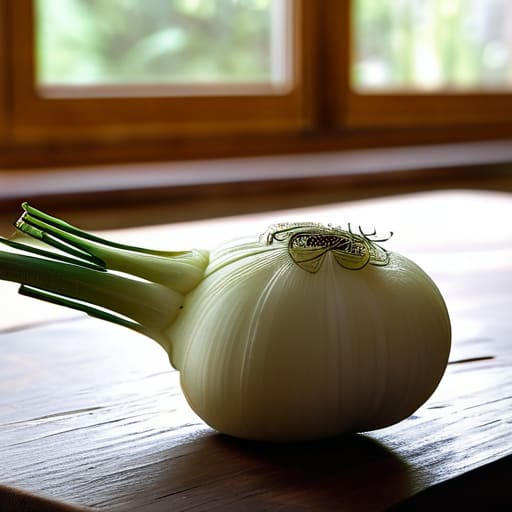
Most young chefs I meet think a sprawling, ambitious menu is a badge of honor. In reality, it’s often just a roadmap to the bin. If you have twenty different ingredients sitting in your walk-in that only appear in one specific dish, you aren’t being creative; you’re being reckless with your cash flow. True meal planning strategies aren’t about what you can cook, but about how many ways you can use a single, high-quality ingredient. I used to run my room on the principle of “cross-utilization.” That fennel bulb? It’s a garnish for the fish on Monday, a base for the soup on Tuesday, and a quick pickle for the lamb on Wednesday.
When you tighten your repertoire, you aren’t just simplifying; you are mastering sustainable food management. Every time you buy a crate of mushrooms only to throw half of them away because they’ve gone slimy by Thursday, you are effectively handing your profit margin to the compost heap. I learned the hard way that a smaller, smarter menu allows you to keep a tighter eye on stock rotation. It means you actually know what’s in your fridge, rather than just praying the prep cook remembers to use the oldest stock first.
Reducing Food Spoilage Before It Costs You Everything
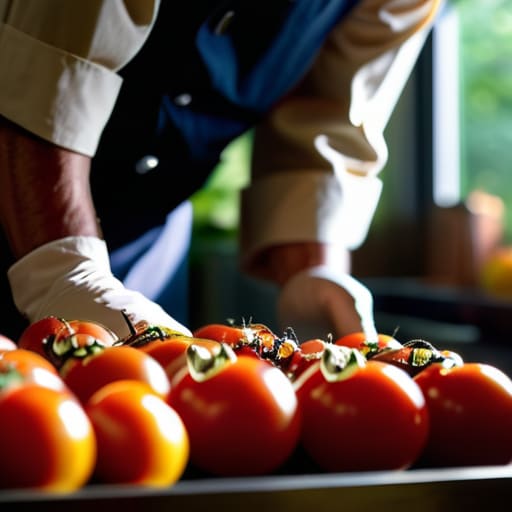
The real heartbreak of this business isn’t a bad review; it’s watching a crate of expensive heritage tomatoes turn to mush in the bottom of the walk-in because someone forgot to rotate the stock. You can have the most inspired menu in the city, but if your prep team isn’t practicing strict FIFO (First In, First Out), you aren’t running a kitchen—you’re running a graveyard for your profit margins. Reducing food spoilage isn’t about some grand, sweeping philosophy; it’s about the mundane, disciplined habit of checking every single label every single morning.
If you find yourself staring at a surplus of ingredients that won’t survive another forty-eight hours, you need to pivot immediately. This is where food preservation techniques—like quick-pickling those wilting radishes or turning bruised fruit into a gastrique—become your best friends. It’s not “wasteful” to change a dish mid-week to suit what’s actually in the larder; it’s smart management. Every time you throw away a bag of herbs, you aren’t just tossing plants; you’re tossing the hours of labor it took to prep them and the cash it took to buy them.
The Small Habits That Stop the Bleeding
- Watch your prep, not just your plates. I spent years thinking a full prep table meant a ready kitchen, but half the time I was just looking at a mountain of expensive ingredients destined for the bin. If your commis is chopping more carrots than the prep sheet calls for just to feel “busy,” they aren’t being productive; they’re stealing your profit one slice at a time.
- Stop treating your walk-in like a storage unit. I’ve seen too many young chefs treat a fridge like a black hole where expensive proteins go to die. You need a strict FIFO (First In, First Out) rule that isn’t just a suggestion—it’s a law. If I caught a staff member burying a new crate of tomatoes behind a three-day-old one, I’d have had a very long, very quiet word with them.
- Get honest about your “specials.” A special shouldn’t be a creative whim; it should be a strategic move to use up what’s actually in the fridge. If you have three kilos of sea bass that won’t last another forty-eight hours, that’s your special. Using the menu to clear the inventory is the difference between a smart business and a charity for food waste.
- Audit your bin, not just your books. You can stare at a spreadsheet all day, but the real truth is in the trash. Once a week, I used to look at what was actually being thrown away. If I saw a mountain of potato peelings or half-eaten sides, I knew exactly where my management was failing. The bin tells you the stories your staff is too polite to mention.
- Respect the yield of every ingredient. When you’re calculating your margins, don’t just look at the invoice price for a whole cauliflower. You have to account for the core, the leaves, and the stems. If you aren’t using those scraps for a soup, a puree, or a ferment, you’re essentially paying a premium to throw money in the bin. Every gram has a cost, and you’d better account for it.
The Hard Truths of a Leaner Kitchen
Waste isn’t just a bin full of scraps; it’s a leak in your bank account that no amount of clever plating can fix. If you aren’t tracking what goes in the bin, you aren’t managing a kitchen, you’re just presiding over a slow-motion robbery.
A smaller, smarter menu is your best defense against spoilage. Every extra ingredient you add to your ordering list is another item that can die in the bottom of a walk-in fridge, and that’s money you’ll never see again.
Respect the prep, respect the margin. Training your team to see the value in every ounce of product—from the trimmings used for stocks to the exactness of a portion—is the difference between a kitchen that thrives and one that’s just treading water.
The Myth of the 'Small' Loss
“Stop looking at a bruised tomato or a handful of wilted herbs as a minor inconvenience; in a tight kitchen, that’s not just waste, it’s a leak in your bank account that no amount of fancy plating can ever plug.”
Rosalind Achterberg
The Bottom Line is on the Plate
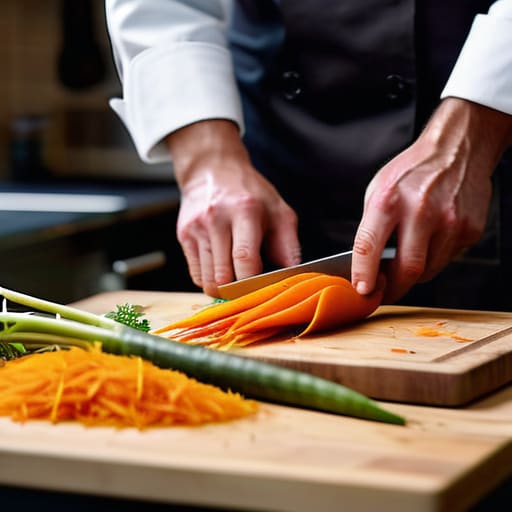
At the end of the day, reducing waste isn’t about some grand, sweeping philosophy or a trendy sustainability certificate on the wall; it’s about the discipline of the small things. It’s the way you look at your prep list, the way you train a commis to respect a whole carrot, and the way you refuse to let a perfectly good piece of protein end up in the bin because of a lazy ordering habit. We’ve talked about the math of meal planning and the logistics of spoilage, but none of that matters if you don’t treat your inventory like it’s your own money—because, quite frankly, it is. Every scrap you toss is a direct subtraction from your ability to pay your staff well or fix that broken walk-in fridge.
Running a kitchen is a relentless, beautiful, and exhausting battle against entropy. You will have bad nights, and you will have shipments that arrive looking like they’ve been through a war zone. But if you approach your waste with the same intensity you bring to a Saturday night rush, you’ll find that the margins start to breathe again. Don’t aim for perfection—I certainly never did—but aim for intentionality. When you stop seeing food as an infinite resource and start seeing it as the lifeblood of your business, you stop just surviving and start actually building something that lasts.
Frequently Asked Questions
How do I balance the desire to offer a diverse, exciting menu with the reality that too many ingredients are just more money rotting in the walk-in?
You’re chasing the “wow” factor, but you’re actually just chasing a bin full of expensive rot. I see it all the time: a chef wants twenty different components to show off, but they don’t see the three crates of micro-herbs dying in the back. The secret isn’t fewer dishes; it’s more clever uses of the same ingredients. If that heirloom carrot is on the menu, it better be roasted, puréed, and pickled. Cross-utilization isn’t boring; it’s how you stay solvent.
When does "nose-to-tail" cooking stop being a clever culinary technique and start being a desperate attempt to hide poor ordering habits?
It stops being clever the moment you’re using a “nose-to-tail” menu to mask a broken ordering system. True nose-to-tail is about respect for the animal; bad nose-to-tail is just a frantic attempt to use up the trimmings you over-ordered on Tuesday. If your “special” is just a way to avoid throwing away three kilos of expensive protein, you aren’t being sustainable—you’re just being dishonest with your margins.
How do I hold my prep cooks accountable for waste without creating a culture of fear where they start hiding mistakes instead of fixing them?
You don’t fix waste with a heavy hand; you fix it with a clear system. If a cook drops a tray of scallops, I didn’t want them hiding it in the bin like a guilty schoolboy—I wanted them telling me immediately so I could adjust the evening’s specials. Make the waste log a tool, not a trap. When they see that recording a mistake leads to better ordering rather than a shouting match, they’ll start being honest.
