 Written by
 I once watched a young man at a table in my old dining room spend ten minutes staring at a bottle of Bordeaux, sweating through his shirt because he couldn’t figure out how to read a wine label without looking like an idiot. He was terrified that if he asked the sommelier for help, he’d be exposed as a fraud. It’s a ridiculous way to live. Most of what you see on those labels—the gold foil, the heavy parchment, the sprawling Latin script—isn’t there to inform you; it’s there to justify a markup that keeps the lights on in a fancy cellar.
I’m not here to teach you how to memorize every obscure sub-region in Tuscany or recite the history of a French estate. I’ve spent thirty-eight years watching people pay for prestige they can’t actually taste, and I’m done with it. Instead, I’m going to show you how to cut through the marketing fluff and find the actual information that matters. We’re going to look at the bits that tell you the grape, the weight, and the price-to-quality reality, so you can stop guessing and start drinking with confidence.
Deciphering Grape Varieties and the Truth of the Blend
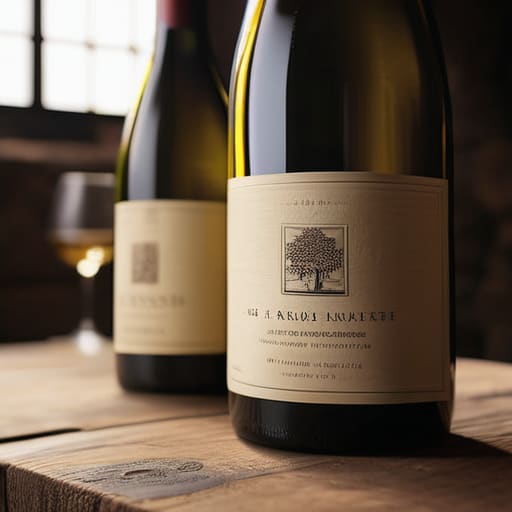
When you’re looking at a label, you’ll often see a single name like Chardonnay or Syrah, but don’t let that simplicity fool you. Deciphering grape varieties is rarely as straightforward as it looks on the front of the bottle. In many parts of the New World, they shout the grape’s name in big, bold letters because they want you to know exactly what you’re getting. But in the Old World, they play a much more subtle game. They’ll name a village or a hillside instead of the grape, relying on the fact that you should already know what grows there.
This is where the difference between DOC and AOC comes into play, acting as a sort of legal shorthand for quality and tradition. If you see those acronyms, you aren’t just buying fermented juice; you’re buying into a strict set of rules about how that wine was made and where it came from. A blend isn’t always a way to hide mediocre grapes, either. Often, it’s a deliberate, expensive choice to balance acidity and structure. When a label mentions a blend, they aren’t being vague—they’re telling you about the architecture of the flavor.
Reading Alcohol Content on Wine Without Getting Fooled
Now, let’s talk about the number that usually dictates how much you’re going to regret your dinner choices the next morning. When you’re reading alcohol content on wine, don’t just look for the percentage and move on; look for what it’s telling you about the climate. If you see a 15% ABV on a red from a warm region, you aren’t just looking at a “strong” drink—you’re looking at fruit that was ripened under a punishing sun, which usually means a heavier, more jammy profile.
I’ve seen many a young enthusiast get tripped up by a low percentage, thinking a 12% wine is “lighter” in every sense. Not necessarily. A low-alcohol wine can still be bone-dry and bracingly acidic, while a high-alcohol wine can be deceptively smooth if the tannins are well-managed. It’s about the balance between the heat and the acid. When I was running my dining room, I’d always tell my staff: if the alcohol feels like it’s shouting over the food, the pairing is already dead. Don’t let a high number scare you off, but do learn to respect it.
Five Things the Label Isn't Telling You (But You Should Know)
- Don’t let the “Reserve” stamp fool you into thinking it’s a better vintage. In my experience, that word is often just a marketing tool used to justify a higher price point on a bottle that’s essentially the same juice as the standard label, just sitting in a barrel for a few extra months to satisfy a sense of prestige.
- Pay attention to the region, not just the grape. A label that shouts “Chardonnay” is telling you one thing, but a label that specifies a tiny, named sub-region in Burgundy is telling you about the soil, the drainage, and the cost of the land—and that’s where the real story of the price tag lives.
- Watch out for the “Natural” or “Organic” buzzwords if they aren’t backed by something concrete. I’ve seen plenty of bottles use those terms to charge a premium when, in reality, they’re just following basic hygiene standards that any decent producer should be meeting regardless of the label.
- Look for the producer’s name, not just the vineyard. A big-name estate can make a mediocre year taste expensive, but a small, dedicated producer who puts their own name on the bottle is often the one playing the long game, prioritizing the character of the wine over a quick profit margin.
- Check the vintage with a grain of salt. A label might boast about a “legendary year,” but if you’re looking at a high-acid white from a year that was too cold, that fancy date won’t save it from being a thin, unpleasant drink. Learn to read the weather through the glass, not just the ink.
The Bottom Line Before You Pour
Stop hunting for the “best” grape and start looking for the truth of the blend; if a label is being vague about what’s actually in the bottle, they’re usually trying to hide a cheap filler behind a famous name.
Use the alcohol percentage as a shortcut to understanding the wine’s weight and body, but don’t let a high number distract you from whether the wine actually has the structure to back it up.
Remember that a label is a marketing tool first and a technical document second; if the script is too fancy or the descriptions feel too poetic, look past the fluff to find the actual facts like region and vintage.
The Price of the Paper
Don’t let a heavy, cream-colored label and a bit of gold foil convince you that there’s a masterpiece in the bottle; half the time, you’re just paying for the printer and the marketing budget, so learn to look past the fancy script and find the few honest words that actually tell you what you’re about to swallow.
Rosalind Achterberg
Stop Overthinking the Script
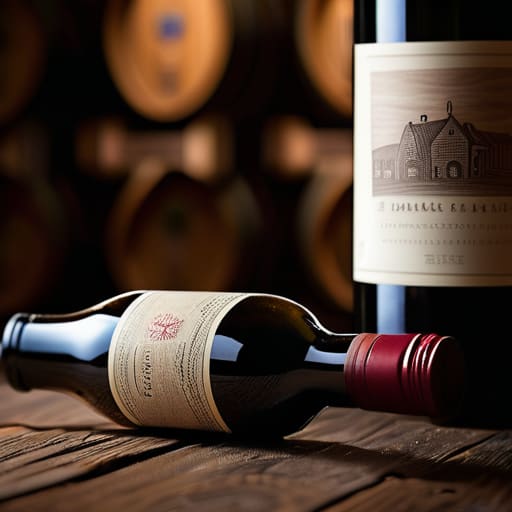
At the end of the day, reading a label is just about stripping away the marketing fluff to find the bones of what you’re actually paying for. You now know how to spot the grape variety hidden behind a flowery name, how to check the alcohol content so you don’t accidentally order a glass of liquid fire, and how to see through the regional jargon that’s designed to make you feel uneducated. Remember, a high price tag and a heavy, embossed label don’t automatically mean a better vintage; they often just mean the producer had a larger marketing budget than the winemaker. Look for the substance over the style, and don’t let a fancy font intimidate you into a bad purchase.
I spent decades watching people freeze up in front of a wine list, terrified of making the “wrong” choice. Let me tell you a secret from someone who has sat on both sides of the pass: the only wrong choice is the one that doesn’t suit your palate or your pocketbook. Use these tools to navigate the cellar with confidence, but never let the technicalities rob you of the pleasure of the drink. Wine is meant to be enjoyed, not studied like a textbook. So, pick up the bottle, find the facts, and then trust your own damn senses.
Frequently Asked Questions
If the label doesn't mention a specific grape, am I just guessing what’s in the bottle, or is there a way to know for sure?
You aren’t just guessing, but you do have to learn the geography of the bottle. In the Old World—think France or Italy—the label often hides the grape behind a village name or a region. You have to know that a label saying ‘Sancerre’ is almost certainly Sauvignon Blanc. In the New World, they usually name the grape upfront. If you’re stuck, look for the appellation; once you know the map, you know the wine.
Why do some labels scream the vintage year in giant print while others hide it in the fine print, and does that year actually matter for the price I'm paying?
It’s a bit of a shell game, isn’t it? If the year is front and center, they’re betting on a “legendary” vintage where the weather did the heavy lifting. If it’s tucked away in the fine print, they’re likely trying to distract you from a mediocre year that they’ve had to “correct” with clever blending. Does it matter? Absolutely. You’re paying for the weather of that specific year, not just the grape.
When a label mentions a "region" instead of a grape, is that just a fancy way to charge me more for the same old juice?
It’s not always a scam, but it is a gamble. When a label shouts “Chablis” instead of “Chardonnay,” they aren’t just naming a grape; they’re selling you a zip code. You’re paying for the soil, the climate, and the strict rules that keep the locals from watering down the product. Sometimes that extra cost is worth it for the character. Other times? It’s just paying for the prestige of the name on the sticker.
