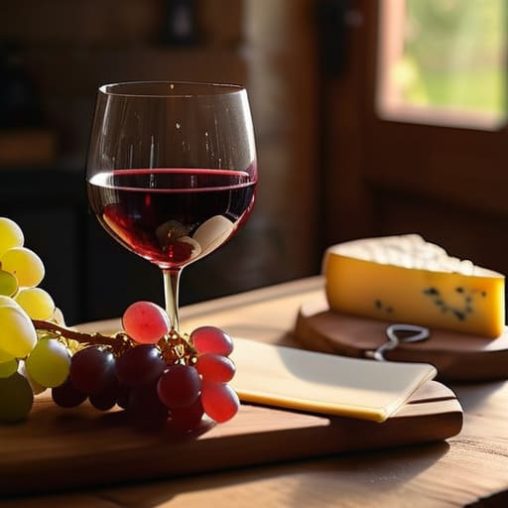
 Written by
 If you think you need to spend three hundred pounds on a bottle of Bordeaux and a leather-bound textbook just to figure out how to start learning about wine, you’ve been lied to by people who make more money from the labels than the liquid. I spent twenty-six years behind a pass, and I can tell you that the most expensive bottle on a menu isn’t always the best, and it certainly isn’t the most educational. Most people approach wine like a high-stakes exam they’re destined to fail, terrified of saying the wrong thing to a sommelier who is likely just trying to keep their margins intact before the lights go down.
I’m not here to teach you how to swirl a glass like a professional or memorize the soil composition of a specific hillside in Tuscany. Instead, I want to show you how to trust your own palate and, more importantly, how to read a wine list without feeling like you’re being swindled. I’ll give you the unvarnished truth about what you’re actually paying for—from the markup to the cellar management—so you can stop worrying about the etiquette and start actually enjoying the drink.
Forget the Glossy Brochures Understanding Grape Varieties Through Soil and
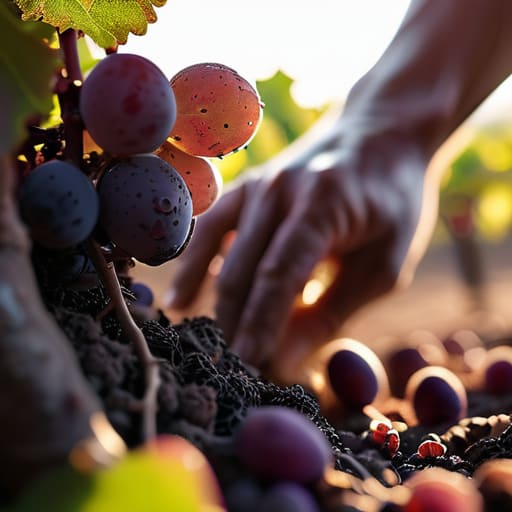
Forget the glossy brochures that promise you’ll suddenly sense “hints of leather and forest floor” after one sip. Those descriptions are often just polite lies used to sell a bottle that’s overpriced. If you want to actually master understanding grape varieties, stop looking at the tasting notes and start looking at the dirt. A grape is just a vessel for its environment. When I ran my dining room, I didn’t care if a client could name the specific notes of a Cabernet; I cared if they understood why a heavy, tannic red felt right against a ribeye and why a bright, acidic white was necessary to cut through the fat of a butter sauce.
Real learning happens when you connect the liquid to the labor. Instead of memorizing a list of essential wine vocabulary, ask yourself why a wine tastes thin or why another feels like velvet on the tongue. It’s usually down to the sun, the slope of the hill, and how much the grower sweated to keep the vines alive. Once you stop trying to sound like a textbook and start paying attention to how the weight and acidity actually hit your palate, the labels will finally start making sense.
The Truth About Wine Flavor Profiles Explained Without the Pretense
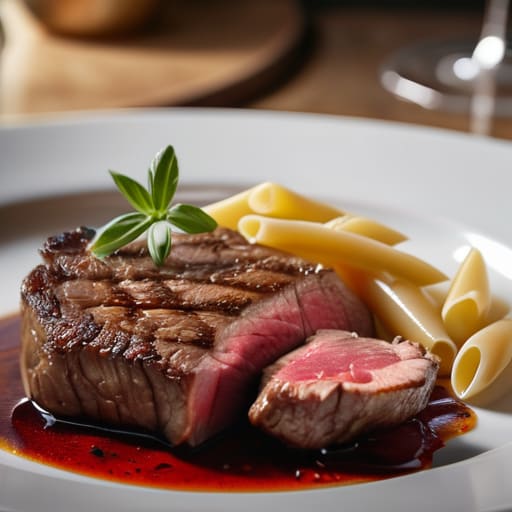
Stop trying to find “notes of toasted sandalwood” or “hints of summer rain” in your glass. When I was running my dining room, I saw enough diners performing a pantomime of sophistication to last a lifetime, and frankly, it was exhausting. You don’t need a vocabulary of a thousand adjectives to enjoy a glass; you just need to understand the basic red vs white wine characteristics that dictate how a bottle will sit with your food. If a wine is high in acid, it’s going to cut through fat like a sharp knife; if it’s heavy on tannin, it’s going to demand a bit of protein to keep it from drying out your mouth.
When people ask me for wine tasting techniques for beginners, I tell them to stop thinking and start feeling. Is it heavy or light? Is it tart or smooth? Does it make you want to take a bite of bread or a piece of cheese? That’s the real work. Forget the pretense of the tasting room; the only essential wine vocabulary you actually need is the kind that helps you decide if you’re going to order a second bottle or if the sommelier just made a very expensive mistake.
Stop Reading Labels and Start Paying Attention to the Pour
- Buy the mid-range bottle, not the cheapest or the most expensive. The $9 bottle is usually a struggle for the winemaker to make profitable, and the $150 bottle is often paying for a marketing budget you can’t taste. The $30 to $50 range is where the actual character of the grape lives, and it’s where you’ll find enough quality to actually learn something without feeling like you’re being swindled.
- Learn the “Why” of the price tag, not just the “What” of the grape. When you see a markup on a wine list, don’t just grumble about the cost; ask yourself if the restaurant is charging for the cellar’s temperature control, the risk of a broken bottle, or the fact that they had to buy that case six months ago. Understanding the economics of a wine list makes you a more informed diner and a much less difficult customer.
- Practice tasting with a purpose, not a pretension. You don’t need to find notes of “wet slate” or “crushed violets” to have a successful tasting. If you can tell me that the wine is too acidic for the greasy pasta you’re eating, or that it’s so heavy it makes you want to take a nap, you’ve done more work than any sommelier looking for a textbook answer.
- Watch the person pouring, not just the liquid in the glass. A decent wine is ruined by a bad pour, and a mediocre wine can be saved by a waiter who knows how to present it. Pay attention to how the staff handles the bottle and the temperature; if they are rushing or careless, the wine probably wasn’t stored well either. The service is the first indicator of how much the house actually cares about what’s in that bottle.
- Stop trying to memorize a map and start building a palate through repetition. You won’t learn Cabernet Sauvignon by reading a Wikipedia page; you’ll learn it by drinking it three times in a month and noticing how the tannins grip your teeth differently each time. Consistency is the only way to move past the “it tastes like red fruit” stage and into actually recognizing a varietal.
The Real-World Lessons: What to Carry in Your Notebook
Stop trying to memorize a dictionary of adjectives; instead, learn to recognize the difference between a wine that tastes expensive because of the label and one that tastes expensive because of the labor and the land.
Pay attention to the person pouring the glass more than the glass itself, because a mediocre bottle served by a professional who understands the room is a better experience than a vintage masterpiece served by someone who doesn’t care.
Understand that every price point on a wine list is a calculation of risk and overhead, and once you realize that, you’ll stop feeling intimidated by the numbers and start asking the right questions about value.
Stop Studying the Label and Start Studying the Table
Don’t waste your time memorizing a list of adjectives that some man in a suit told you to use; start by asking yourself why a certain bottle is priced the way it is, and why the person pouring it is actually the most important person in the room for making sure you don’t regret the spend.
Rosalind Achterberg
The Real Bottom Line
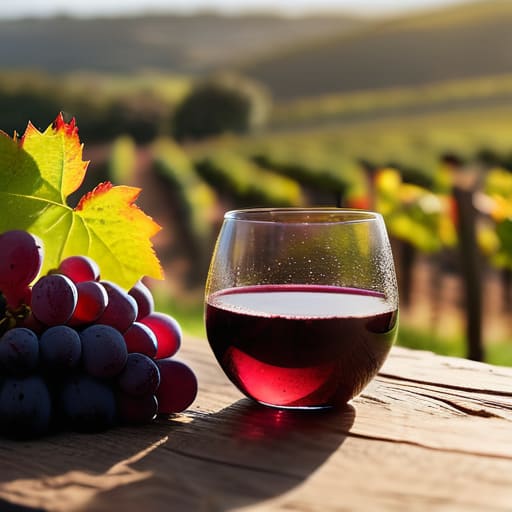
At the end of the day, learning about wine isn’t about building a library of vocabulary that makes you sound like a textbook; it’s about connecting the liquid in your glass to the actual work that went into it. We’ve talked about why the soil matters more than the label, and why you should stop worrying about whether you can “taste” notes of leather or pencil shavings if you don’t actually like the drink. If you understand the relationship between the grape, the cost of the bottle, and the person pouring it, you’ve already learned more than most of the critics I used to serve in my dining room. Stop trying to pass a test and start looking for the logic behind the price tag and the producer.
My advice? Go to a decent wine bar, sit at the corner of the counter, and order something you’ve never heard of. Don’t ask for a lecture; just ask the person behind the stick why they love it and what it costs them to keep it in stock. Real education happens in that conversation, not in a glossy pamphlet. Wine is meant to be a companion to a meal and a conversation, not a barrier to entry. If you can find the joy in a glass without needing to justify it to anyone else, then you’ve finally mastered the art of drinking wine.
Frequently Asked Questions
If I don't want to spend a fortune on "tasting flights," how do I actually practice identifying these flavors without feeling like I'm wasting money?
Stop paying for those curated flights; you’re mostly paying for the glassware and the fancy lighting. If you want to train your palate without draining your bank account, buy three different bottles of the same grape from different regions—say, a Sauvignon Blanc from Sancerre and one from a sunny New Zealand valley. It’s the same DNA, just different zip codes. It’s cheaper, it’s intentional, and it actually teaches you how terroir works.
When I'm looking at a wine list, how can I tell if a high price tag is actually due to the quality of the bottle or just the markup of the restaurant?
Look, no one is going to tell you this, but that markup is how I kept my lights on. When you see a massive jump, look for the “why.” Is it a rare vintage from a producer who only makes fifty cases? Then pay it. But if it’s just a famous label with a predictable profile, you’re paying for the prestige and my rent. If the list is deep and diverse, the price is usually fair; if it’s thin and flashy, you’re being fleeced.
Do I really need to learn the technical vocabulary to be taken seriously, or can I just tell the waiter what I like and let them do the heavy lifting?
Listen, you don’t need to know the difference between “tannic structure” and “acidic backbone” to have a decent meal. If you can tell your waiter, “I like something crisp that won’t fight with the oily fish,” you’ve done your job. The real trick isn’t memorizing vocabulary; it’s being specific about what you actually enjoy. Let the staff handle the technicalities—that’s what they’re trained for. Just don’t be vague. “Something good” is a nightmare for a busy server.
