 Written by
 I remember a rainy Tuesday in my old sixteen-cover place when a group of ten decided to “just drop in” for a celebration, thinking a large party was merely a matter of pulling up extra chairs. I watched from the pass as my head waiter’s face went pale; they hadn’t realized that a table of that size isn’t just a seating arrangement, it’s a logistical earthquake that can derail an entire service. Most people approach the idea of a big night out with a sense of entitlement, but if you don’t actually understand how to dine with a large group, you aren’t just risking a bad meal—you’re actively sabotaging the kitchen and the staff who are trying to keep the lights on.
I’m not here to give you a list of fancy etiquette rules or tell you which linens to choose. Instead, I’m going to tell you the truth about what happens behind the scenes when you bring a crowd into a dining room. I’ll show you how to navigate menus without paralyzing the kitchen, how to handle the bill so you don’t end up stuck in a standoff with your friends, and how to book a table in a way that makes a restaurant owner actually want to welcome you.
The Art of Restaurant Reservation Etiquette
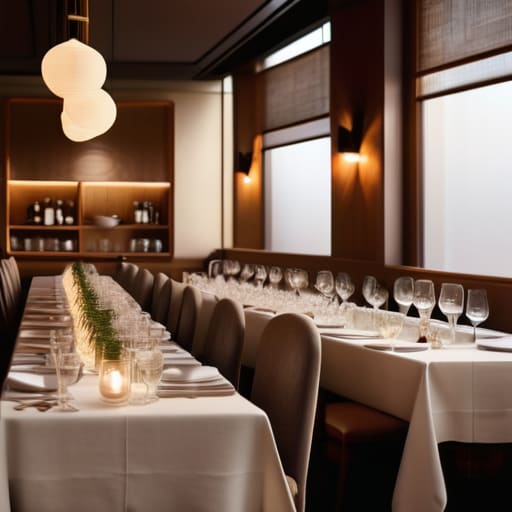
When you’re booking for a crowd, you aren’t just asking for a table; you are asking a business to rearrange its entire ecosystem for you. The first rule of restaurant reservation etiquette is to give them more than a week’s notice. If you call a Friday night slot for twelve people on a Tuesday, you aren’t being “spontaneous”—you are being a logistical nightmare. A small dining room relies on a delicate rhythm of seatings, and a large party forces us to pull tables together, which often means sacrificing the comfort of the two-tops nearby.
Don’t wait until the bread basket arrives to mention that one person is vegan and another is allergic to shellfish. Managing dietary restrictions in groups is much easier when it’s handled during the booking process rather than as an emergency mid-service. If the restaurant asks about pre-ordering meals for crowds, don’t fight them. They aren’t trying to be controlling; they are trying to ensure your food actually hits the table at the same time so the person who ordered the steak isn’t staring at a cold plate while the rest of the table finishes their mains.
Why Pre Ordering Meals for Crowds Saves the Kitchen
Look, I know the temptation. You want the theater of the moment—that slow, indulgent drift through a menu while sipping wine and catching up. But when you’re sitting at a table of twelve, that “theater” is actually a slow-motion train wreck for the kitchen. When everyone decides on their main course at the exact same time, the pass becomes a bottleneck. The first person’s sea bass goes cold while the last person is still debating between the steak or the risotto. By pre-ordering meals for crowds, you aren’t just being efficient; you are giving the chef a fighting chance to time the tickets so the food actually hits the table in waves that make sense.
It’s also about the invisible math of the kitchen. A sudden surge of ten different complex orders creates a spike in labor and stress that most small dining rooms simply aren’t built to absorb. When you handle the heavy lifting of managing dietary restrictions in groups ahead of time, you remove the frantic, mid-service scramble to find out if the gluten-free guest can actually eat the sauce. It turns a potential crisis into a predictable workflow, ensuring the kitchen stays calm and your meal stays hot.
The Unspoken Rules of Managing the Chaos
- Watch your clock, not just your appetite. If you’ve booked a table for twelve at 7:00 PM, don’t let your group drift in at 7:20 PM like you’re at a garden party. When a large group is late, it creates a domino effect that pushes back every single reservation after you, and frankly, it makes the floor manager’s life a misery before the first drink is even poured.
- Respect the “Set Menu” reality. If a restaurant tells you they require a fixed menu for groups of eight or more, don’t fight them. They aren’t trying to be difficult or limit your choices; they are trying to ensure the kitchen can actually produce twenty-four plates of the same dish at the exact same time so the person at the end of the table isn’t eating cold risotto while the first person is finishing their dessert.
- Be the person who handles the math. Nothing kills the mood of a lovely dinner faster than a twenty-minute standoff at the end where everyone is fumbling with Venmo or trying to split a single bill twelve ways. If you’re the organizer, decide how you’re paying beforehand—either one person puts it on a card and everyone settles up privately, or you agree to a split from the start. Don’t make the server stand there like a statue while you argue over who had the extra side of truffle fries.
- Mind the “Service Charge” elephant in the room. When you see a 12.5% or 15% service charge automatically added to a large bill, don’t look for ways to chip away at it. That charge is what keeps the lights on and ensures the staff gets a fair wage for the extra labor a large party requires. If the service was truly abysmal, you talk to the manager, but don’t penalize the entire team because you’re feeling stingy.
- Don’t be a “Table Hog” in a tight space. Small, successful restaurants—the kind I used to run—often have tight floor plans. If you have a group of ten squeezed into a corner, be mindful of your physical footprint. Sprawling out, leaning back into walkways, or letting bags take up extra chairs isn’t just rude to your neighbors; it’s a safety hazard for the staff carrying heavy trays through narrow gaps.
The Real-World Cost of a Large Table
Respect the “gap” in the floor plan; a table of ten isn’t just ten chairs, it’s a massive footprint that prevents the restaurant from seating three other smaller parties, so don’t expect a discount just because you’ve brought the whole family.
Be prepared to pay the service charge without a fight, because a large group requires a coordinated dance from the floor staff that goes far beyond the standard “drop and go” service, and that tip is what keeps your server from walking out mid-service.
Manage your group’s pace or suffer the consequences; if you spend forty minutes debating the wine list while the kitchen is hitting its peak rush, you aren’t just being “leisurely,” you are actively sabotaging the timing of every other table in the room.
The Hidden Cost of the Large Table
When you bring a party of twelve into a room designed for four, you aren’t just booking a table; you are colonizing the floor. You’re taking up the space of three separate revenue streams, and if you don’t respect the timing or the staff’s ability to breathe, you’ll find that the service doesn’t just slow down—it breaks.
Rosalind Achterberg
The Final Check Before the First Course
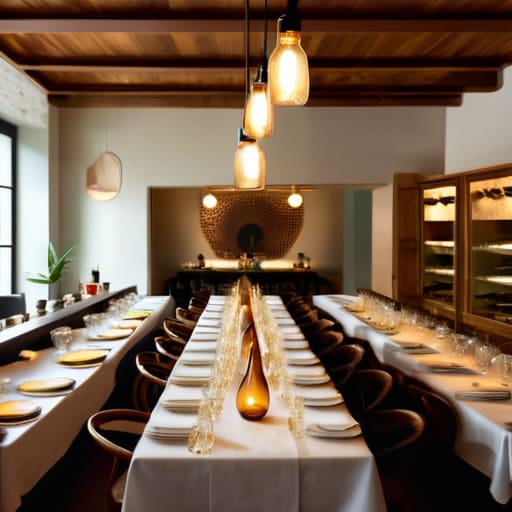
At the end of the day, dining with a crowd isn’t just about picking a menu that looks good on Instagram; it’s about managing the invisible machinery that makes the evening work. Whether you’re navigating the etiquette of a booking, respecting the kitchen by pre-ordering, or simply being mindful of the service staff’s mental load, you are participating in a delicate dance of logistics. Remember that every large table is a significant investment of energy from the house. When you arrive prepared—knowing your numbers, your dietary restrictions, and your budget—you aren’t just a customer; you are a partner in making sure the night doesn’t descend into a logistical nightmare for the person running the pass.
I spent twenty-six years watching people celebrate the biggest moments of their lives across my sixteen tables, and I can tell you that the best meals aren’t defined by the most expensive bottle of wine or the most complex dish. They are defined by the ease of the atmosphere. When a group moves with intention and respect for the establishment, the food actually tastes better because the tension has left the room. So, go out, fill the seats, and make some noise, but do it with the kind of graceful awareness that lets the staff do what they do best. After all, a well-managed feast is a beautiful thing, but a seamlessly executed evening is a true masterpiece.
Frequently Asked Questions
If we’re splitting the bill, how do we do it without making the service staff want to walk out mid-dessert?
The Bill-Splitting Nightmare: How Not to Ruin Service
Is it actually possible to find a place that won't charge us a massive "cancellation fee" if two people in our group flake at the last minute?
Look, you’re asking for a miracle, and I hate to be the one to break it to you. When you book a table for twelve, the restaurant isn’t just reserving chairs; they’re committing to a specific amount of prep, staffing, and—most importantly—lost revenue. If two people flake, that’s two covers that could have been a paying customer. You’ll find places that won’t charge a fee, but they’ll likely be the ones struggling to keep the lights on.
How do I handle the "hidden costs" like automatic service charges or expensive wine markups when I'm the one organizing the whole thing?
The “hidden” costs aren’t actually hidden; they’re just inconvenient. When you’re the one pulling the strings, you have to account for the service charge—which is often a non-negotiable tax on your convenience—and the wine markup, which is how a restaurant keeps its lights on when food margins are razor-thin. Don’t let the bill surprise you. Ask about the service fee and the bottle prices upfront, or you’ll be the one left holding the bag.
