 Written by
 I remember a Friday night in my old dining room—the kind where the air is thick with the scent of garlic and the low hum of expensive expectations—when a group of six sat down and treated the menu like a competitive sport. They spent twenty minutes debating every single ingredient, paralyzed by the fear of missing out, until they finally decided on how to order for the table by requesting everything on the menu. By the time the plates arrived, the kitchen was drowning, the timing was a disaster, and the poor waiter looked like he was ready to walk straight into the walk-in freezer and never come out. Most people think ordering for a group is about maximizing variety, but in reality, it’s usually just a slow-motion train wreck for the staff and the guests alike.
I’m not here to give you some polite, etiquette-book guide on which fork to use. I want to show you how to navigate a menu so you actually enjoy your meal without strangling the kitchen or breaking the bank. I’ll tell you how to pick dishes that actually play well together, how to read the room (and the menu) to avoid the expensive mistakes, and why sometimes, the best way to lead a group is to know when to stop.
How to Avoid Overordering and Wasted Profits
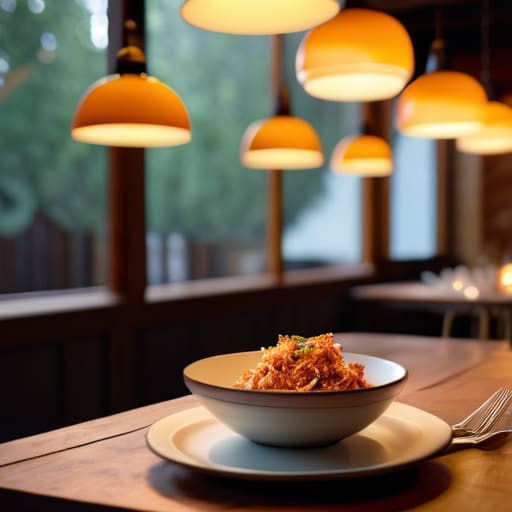
Look, I’ve seen it a thousand times: a group of six walks in, everyone is hungry, and before the server can even finish the specials, there are twelve plates on the table. It’s not just a waste of your money; it’s a logistical nightmare for the kitchen. When you treat a menu like an all-you-can-eat buffet, you end up with a mountain of half-eaten leftovers and a kitchen staff that’s scrambling to keep up with a disorganized flow. If you want to master how to avoid overordering, you have to stop thinking about what you want and start thinking about the rhythm of the meal.
The secret is to treat the table like a single organism. Instead of everyone grabbing their own heavy entrée, lean into a tapas style dining guide approach—order a few distinct, high-quality dishes that can be shared. This isn’t just about being polite; it’s about selecting appetizers for a crowd that actually play well together. If you pick three heavy pastas and two fried starters, you’ve just guaranteed a food coma and a massive bill. Aim for a balance of textures and proteins so the table actually experiences the menu rather than just fighting over it.
Selecting Appetizers for a Crowd Without the Clutter
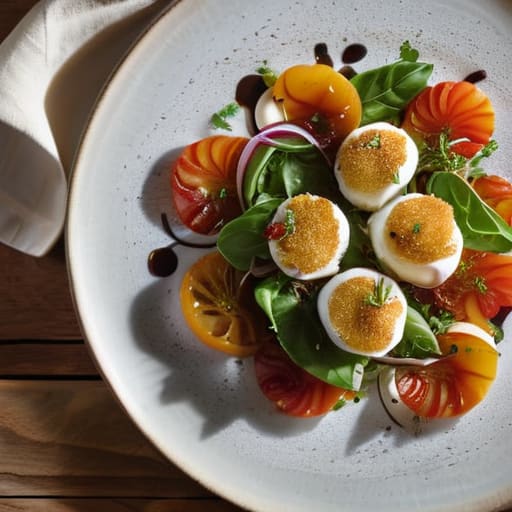
When you’re sitting with a group, the impulse is often to grab one of everything that looks good on the menu. It feels celebratory, but in reality, you usually end up with a table crowded by lukewarm plates of bread, heavy cheeses, and three different salads that no one actually wanted. If you want to master selecting appetizers for a crowd, you have to think like a kitchen manager. You aren’t just feeding people; you are managing flow. Aim for a balance of textures and temperatures—one something crisp, one something warm, and perhaps one something bright and acidic to cut through the fat.
The biggest mistake I see is a total lack of coordination regarding managing dietary restrictions in groups. Don’t wait until the food is mid-air to realize the person in the middle of the table can’t eat gluten or dairy. Instead, make it part of your initial strategy. When you’re looking at the starters, pick a “safety” dish—something naturally inclusive—so that no one is left staring at everyone else’s plates while they wait for a special order that’s stuck in the weeds. It keeps the energy up and the kitchen from panicking.
Five Rules for the Table (So the Kitchen Doesn't Hate You)
- Watch the protein count. If you have six people at the table and you order six heavy mains, you aren’t “dining,” you’re staging a siege. Aim for a mix of textures and weights; if half the table goes for the steak, make sure the other half is leaning toward something lighter like a fish or a seasonal veg dish to balance the heavy lifting in the kitchen.
- Respect the “middle ground” of the menu. When people start ordering “just one bite” of everything, they end up with a table cluttered with plates and a kitchen struggling to time ten different dishes for one group. Pick three or four distinct directions and stick to them so the flow of food actually makes sense.
- Don’t ignore the salt and acid. A common mistake with large groups is ordering nothing but rich, heavy, “comfort” dishes. You’ll end up with a table of people who feel sluggish halfway through. Always ensure at least one or two items have enough acidity—lemon, vinegar, or pickled elements—to cut through the fat and keep the palate awake.
- Understand the “hidden” cost of customisation. I spent years watching my margins bleed because guests thought a restaurant was a personal pantry. Asking for “no onions” on one dish, “extra sauce” on another, and “dressing on the side” for a third might seem small, but it breaks the rhythm of the line. If you’re ordering for a crowd, keep the requests simple.
- Trust the waiter, but guide the pace. A good server knows how to manage a room, but they can’t read your group’s appetite if you don’t tell them. If you want to linger over appetizers, say so. If you’re on a tight schedule, tell them before the first drink arrives. The worst thing you can do is let a table sit in silence for twenty minutes while they debate the menu, only to then rush the kitchen with five orders at once.
The Golden Rules of the Shared Table
Stop treating the menu like an all-you-can-eat buffet; pick three or four distinct flavor profiles that actually complement one another, rather than turning the table into a chaotic battleground of competing spices.
Respect the kitchen’s rhythm by spacing out your orders—if you drop ten different requests on the table at once, you aren’t being “generous,” you’re just ensuring the line gets slammed and the quality drops.
Always account for the “heavy hitters” at the table; if you have three people who eat like they haven’t seen food in a week, scale back on the delicate shared plates and ensure there’s enough substance to actually keep them from looking at the door halfway through the meal.
The Myth of the Infinite Table
“When you order for a group, stop treating the menu like a buffet where everything is a personal right; if you ask for ten different dishes for six people, you aren’t being ‘generous,’ you’re just ensuring the kitchen loses its rhythm and the guests lose their appetite to a mountain of lukewarm leftovers.”
Rosalind Achterberg
The Final Check
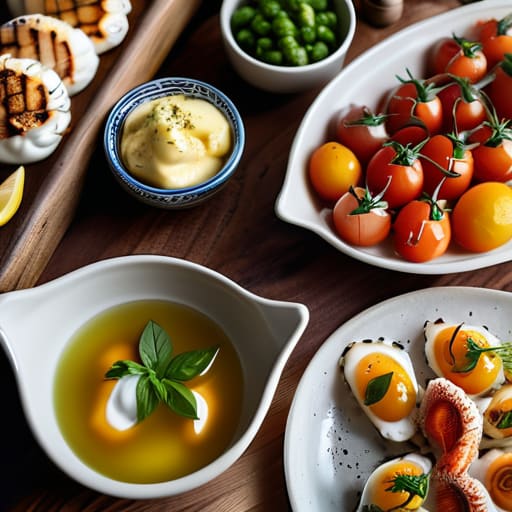
At the end of the day, ordering for a group isn’t about being the most generous person at the table; it’s about being the most discerning. We’ve talked about why you shouldn’t turn the kitchen into a frantic assembly line of mismatched requests, why your appetizers shouldn’t compete for the same flavor profile, and why overordering is just a polite way of throwing money—and good ingredients—into the bin. When you approach a menu with a sense of rhythm, you aren’t just feeding your friends; you are respecting the delicate mechanics of the kitchen. You’re ensuring that the food arrives when it’s meant to, hot and focused, rather than a staggered series of plates that leave half the table staring at empty spaces while the others are still chewing.
I spent twenty-six years watching people try to “win” at dining by ordering everything they laid eyes on, only to realize that a meal is meant to be a conversation, not a competition. The best dinners I ever hosted in my own sixteen-seat room were the ones where the table felt intentional. There is a profound beauty in a well-curated spread that allows everyone to taste the best of the house without the chaos of excess. So, next time you’re the one holding the menu for a crowd, take a breath, trust your instincts, and remember: a great meal is defined by what you leave off the table, not just what you put on it.
Frequently Asked Questions
What do I do if half the table is vegetarian and the other half wants the steak, without making the kitchen feel like they're being pulled in two directions?
Look, you aren’t running a buffet, so don’t try to order for everyone like you’re at a wedding. If you’ve got a split table, don’t make the kitchen sweat by ordering five heavy steaks and five delicate veggie risottos—that’s a recipe for a disjointed service. Instead, pick a middle ground. Order a few substantial, high-quality vegetarian starters that everyone can share, then let the mains follow a theme. It keeps the pass calm and the timing tight.
How do I handle that one guest who insists on ordering their own separate, expensive entree when we specifically agreed to share everything?
Look, we’ve all been there. The “social contract” of the table breaks the moment someone decides they want their own private feast. If you’re the one organizing, you have to nip it in the bud before the menus even hit the table. Say it plainly: “We’re doing this family-style to try everything, so let’s stick to the plan.” If they push back, let them order their solo dish, but don’t let it derail the flow. It’s their money, but it’s your evening.
At what point does "sampling a bit of everything" cross the line from a fun dining experience into a logistical nightmare for the staff?
It crosses the line the moment you order six different entrées for a table of four and expect them to arrive in a synchronized dance. When you “sample everything,” you’re not just eating; you’re forcing the kitchen to fire a dozen different tickets at once, which wreaks havoc on their timing. It’s a logistical nightmare because it kills the rhythm of the service. Pick three or four distinct flavors, share them, and let the kitchen breathe.
