 Written by
 I’ve spent thirty-eight years watching people try to “engineer” the perfect family meal, as if a high-end linen tablecloth and a curated kids’ menu could somehow mask the fundamental chaos of a toddler in a quiet dining room. Most of the advice you’ll find online about how to dine out with children is utter nonsense—either suggesting you find the “most kid-friendly” place (which usually just means it’s loud enough to drown out a tantrum) or telling you to treat your six-year-old like a miniature food critic. Let me tell you something from the other side of the pass: a restaurant isn’t a playground, and trying to force a child to behave like a silent guest in a Michelin-starred room is a recipe for expensive resentment.
I’m not here to give you tips on which restaurants have the best coloring books or the most colorful pasta shapes. Instead, I want to talk about the mechanics of the room—how to read a floor plan, when to book, and how to pick the staff members who actually understand that a spilled glass of milk is just a line item in the nightly overhead. I’m going to show you how to navigate a meal so that you actually get to eat your own food while keeping the business, and your sanity, intact.
The Art of Kid Friendly Restaurant Selection
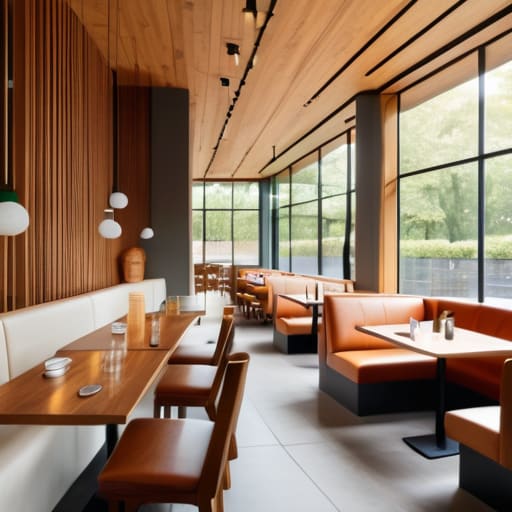
When you’re looking for a kid-friendly restaurant selection, stop scanning the menu for “nuggets and chips” and start looking at the floor plan. I used to watch parents struggle because they’d book a tiny, intimate bistro with linen tablecloths and high-backed chairs, thinking the food would distract the child. It won’t. You need space—not just for the stroller, but for the inevitable unplanned movement. A restaurant with wide aisles and a bit of acoustic dampening is worth its weight in gold; you want a place where a dropped fork sounds like a minor percussion note rather than a structural failure.
Timing is your other silent partner. I always tell people to aim for the early bird window—the sweet spot between 5:00 and 6:00 PM—because it’s the best time for family meals before the room tightens up and the staff’s patience begins to thin. If you show up at 7:30 PM when the room is full of couples on anniversaries, you aren’t just fighting a hungry toddler; you’re fighting the atmosphere itself. Choose a place that feels like it’s breathing, not one that’s holding its breath waiting for you to leave.
Mastering Restaurant Etiquette for Young Children

Now, let’s talk about the actual sitting. You can pick the most accommodating venue in the city, but if you haven’t prepared your tiny diners, you’re still going to be the table that everyone is eyeing nervously. The secret isn’t about forcing a child to sit perfectly still like a little statue; it’s about managing expectations before you even step through the door. I used to tell my staff that the most stressful tables weren’t the ones with loud kids, but the ones with hungry, restless kids who had nothing to do while the kitchen was working.
Practicality beats politeness every time. I’m a firm believer in packing snacks for restaurant visits—not as a meal, but as a buffer. A handful of crackers or a piece of fruit can buy a kitchen ten crucial minutes of peace while they prep a plate. It’s also worth considering the timing; aiming for the best times for family meals usually means hitting the early bird window before the room reaches its peak sensory overload. If you can keep the initial “hanger” at bay, you aren’t just saving your own sanity; you’re helping the server keep their rhythm.
The Real Logistics: Five Ways to Not Ruin the Service
- Timing is your only real leverage. If you show up at 7:00 PM on a Friday with a toddler, you aren’t just dining; you are entering a high-stakes negotiation with a kitchen that is about to hit its peak pressure. Aim for the “shoulder hours”—that sweet spot right when they open or just before the final rush—when the staff has the mental bandwidth to handle a dropped fork without it feeling like a crisis.
- Don’t fall for the “Kids’ Menu” trap. A list of chicken nuggets and fries is easy for a kitchen to execute, but it’s often a sign of a kitchen that hasn’t thought about its margins or its soul. Look for places that offer actual, simple food—a proper omelet, a piece of grilled fish, or even just good bread and butter. It’s better for the child, and it means the kitchen is actually cooking, not just unfreezing.
- Manage the “Activity Gap.” There is a dangerous window between the moment the drinks arrive and the moment the food hits the table. This is where the chaos starts. Bring a “silent” toolkit—stickers, a small book, or something tactile—that doesn’t require a table surface or loud noises. You aren’t just entertaining your child; you are preventing the floor staff from having to manage a distraction while they’re trying to balance a tray of hot plates.
- Respect the “Invisible” Staff. The best way to ensure a smooth meal is to be the customer the server actually wants to serve. This doesn’t mean being perfect; it means being aware. If a spill happens, don’t make a scene or try to hide it under a napkin. Flag someone down, apologize briefly, and let them handle it. They have a professional protocol for messes; your job is to stay out of the way of that protocol.
- Budget for the “Hidden” Costs. When you’re dining with kids, you aren’t just paying for the calories consumed. You’re paying for the extra time, the extra service, and the inevitable “I’m not hungry” moment that leads to a wasted entree. If you’re on a budget, don’t squeeze the restaurant by ordering the cheapest thing on the menu and expecting a five-star experience; instead, order slightly less for yourself so you have the mental and financial room to handle the unpredictability of a child.
The Bottom Line for Parents and Owners
Prioritize the “buffer” over the “playroom”; look for restaurants with spacious floor plans and a staff that treats a dropped fork as a minor logistical hiccup rather than a catastrophe.
Timing is your greatest tool for kindness; aim for the “sweet spot” between the lunch rush and the dinner surge to ensure the kitchen isn’t stressed and your children aren’t competing with a room full of hungry, impatient adults.
Understand that “kid-friendly” is a service, not a free pass; the most successful family outings happen when parents treat the staff like partners in the evening’s success, rather than obstacles to it.
The Real Cost of a Happy Table
“Don’t look for the place with the most colorful plastic toys or a dedicated play area; look for the floor manager who doesn’t flinch when a toddler decides the tablecloth is a canvas. A truly kid-friendly restaurant isn’t one that caters to children, but one that understands a messy family is just another way of doing business, provided they aren’t making the rest of the room feel like they’re in a waiting room.”
Rosalind Achterberg
The Final Bill
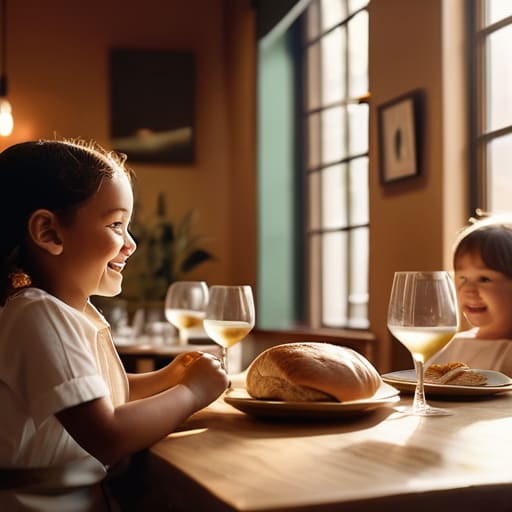
At the end of the day, dining out with children isn’t about finding a place that offers a plastic dinosaur or a coloring sheet; it’s about finding a venue that respects your reality. It’s the marriage of choosing a restaurant with the right operational rhythm—one that won’t collapse if a toddler decides the floor is a better dining surface than the chair—and teaching your children that a restaurant is a living, breathing ecosystem of people working hard to serve them. When you pick the right table, manage the expectations of your little guests, and communicate with the staff, you aren’t just “surviving” a meal; you are participating in the hospitality industry as a respectful, savvy patron.
Don’t let the fear of a spilled glass of milk or a loud outburst keep you tethered to your dining room at home. The world is wide, and the best memories often happen in the middle of a little bit of chaos. If you approach every meal with a bit of grace and a healthy respect for the person holding the tray, you’ll find that the most beautiful dining experiences aren’t the ones that go perfectly according to the script, but the ones where everyone—from the chef to the smallest diner—feels truly welcome at the table.
Frequently Asked Questions
How do I handle the guilt of ordering a more expensive, "adult" meal when I know the kids are just going to pick at my fries?
Listen, stop apologizing for wanting a decent meal. I spent twenty-six years watching parents order a plain pasta for themselves just to avoid the “theft” of a side of fries. It’s a waste of your evening and, frankly, a waste of my kitchen’s potential. If you want the sea bass, order the sea bass. If the kids want a fry, they’ll take a fry. It’s a small line item in the cost of a happy table.
What should I do if the restaurant is clearly too high-end for my children’s current temperament, but I’ve already made the reservation?
Don’t try to force a child to be a gentleman in a room that demands it; you’ll only end up paying for a meal you’re too stressed to taste. If the vibe is too precious, call them. Most owners—the ones worth working with, anyway—would much rather you move the booking to a casual bistro than have you sitting there like a ticking time bomb. It’s better for your nerves, and far kinder to their staff.
Is it actually rude to ask for a high chair in a small, cramped bistro, or is that just my own social anxiety talking?
It isn’t rude; it’s logistics. If you’re eyeing a tiny bistro, don’t let social anxiety keep you from calling ahead. In a room with six tables, a high chair isn’t just an extra piece of furniture; it’s a spatial calculation. If I were running that floor, I’d much rather know you’re coming with a booster than have you arrive and realize we can’t physically fit the chair without blocking the service path. Call ahead. It’s professional.
