
 Written by
 I remember a Friday night in 2004, standing in the tiny alleyway behind my dining room, listening to the muffled roar of the service inside while my head chef and my floor manager had a whispered, frantic argument about a missing runner. It wasn’t a grand tragedy, but it was the exact moment I realized that most people have a fundamental misunderstanding of how restaurant staffing works. They think it’s about having enough bodies to fill the uniforms or following a neat little labor percentage from a textbook. It isn’t. Staffing is actually the delicate, often exhausting art of managing human friction so that the guest at table four never even realizes that three people just called in sick and the dishwasher is currently having a crisis in the walk-in.
I’m not here to give you a lecture on theoretical labor models or how to optimize your spreadsheet for a quarterly review. I’m going to tell you what it actually looks like when you’re in the weeds, from the cost of a reliable server to the hidden price of understaffing a kitchen during a rush. I’ll show you why the most important person on your payroll is often the one you hardly notice, and I’ll give you the unvarnished truth about how to build a team that survives the shift without breaking your spirit—or your bank account.
Labor Cost Management and the Myth of the Lean Crew

Everyone loves to talk about the “lean model” until the first heavy tray of cocktails hits the floor because the runner was busy clearing a table three rooms away. In my sixteen-seat place, I used to stare at my spreadsheets and try to shave every possible penny off the wage bill, thinking I was being clever. I wasn’t. I was just inviting disaster. True labor cost management isn’t about having the fewest bodies on the floor; it’s about having the right bodies at the exact moment the pressure builds.
When you try to run a service on a skeleton crew to save on the bottom line, you aren’t actually saving money—you’re just shifting the cost elsewhere. You’ll pay for it in broken glassware, rushed service, and the soul-crushing employee turnover in restaurants that happens when your best servers realize you’d rather save a few quid on a Tuesday night than give them the support they need to succeed. You can buy all the fancy shift scheduling software in the world, but a computer program can’t feel when a kitchen is drowning or when a dining room is about to boil over.
Mastering Peak Hour Staffing Requirements Without Breaking Your Staff
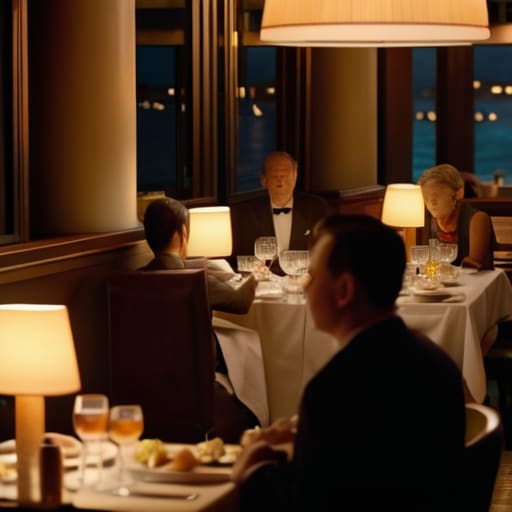
The mistake most owners make is treating the Friday night rush like a math problem to be solved with a spreadsheet. They look at their projected revenue and try to shave every possible cent off their peak hour staffing requirements, thinking that if the room is full, the staff should be stretched thin to maximize the margin. It’s a lie. If you schedule your floor team so tightly that they can’t even catch their breath between a drink order and a dessert request, you aren’t being efficient; you’re just inviting a meltdown.
You don’t manage a rush by cutting corners; you manage it by building in a buffer. I learned the hard way that a single exhausted server leads to a domino effect of forgotten water refills and wrong orders, which ultimately costs you more in comped meals than you ever saved on wages. Effective restaurant workforce planning means having that extra pair of hands—even if they are just there to run plates or clear glass—so the person actually selling the wine has the headspace to do their job. A well-timed extra body is the best insurance policy you can buy against a disastrous service.
Five Hard Truths from the Other Side of the Pass
- Stop hiring for “personality” and start hiring for stamina; a charming smile won’t help a server carry three heavy trays through a crowded room at 9:00 PM when their feet are screaming, but a person who knows how to pace their movement will.
- The “skeleton crew” is a fantasy that ends in disaster; if you schedule so tightly that a single person calling in sick collapses your entire service, you haven’t built an efficient business, you’ve built a house of cards.
- Train your runners to be more than just delivery vehicles; if a person can carry a plate but can’t spot a water glass that’s hit the halfway mark, you’re paying for a mover when you actually need a hospitality professional.
- Respect the “invisible” hours; the real cost of staffing isn’t just the time the guests are sitting there, it’s the prep, the cleaning, and the mental load of the setup—if you don’t account for the labor that happens before the first candle is lit, your margins will never make sense.
- Cross-training isn’t a way to save money, it’s a way to save your sanity; when your dishwasher can step in to polish silverware or your host knows how to clear a bus, you create a team that can actually breathe when the kitchen hits a bottleneck.
The Hard Truths of the Floor
Staffing isn’t a math problem to be solved with a spreadsheet; it’s a buffer against chaos that prevents your best people from burning out and walking out the door.
A “lean” team looks profitable on a Tuesday afternoon, but if you haven’t built in the breathing room for a sudden rush or a broken dishwasher, you aren’t saving money—you’re just borrowing it from your reputation.
The most successful service is the one where the guest never feels the effort; if you notice the staff working too hard, you’ve already failed the fundamental goal of seamless hospitality.
The Cost of the Invisible
You can look at a spreadsheet and see a line item for labor, but you can’t see the moment a waiter’s spirit breaks because they’re running three tables too many; you only see it when the wine pours a little too heavy, the smile doesn’t reach the eyes, and the soul of your dining room begins to leak out through the cracks of a budget that was too tight to begin with.
Rosalind Achterberg
The Real Cost of the Service
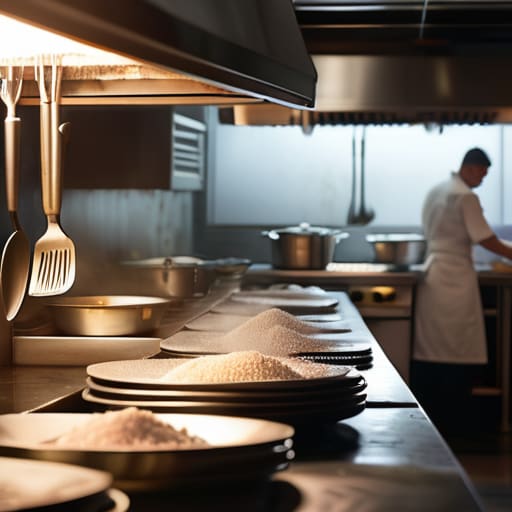
At the end of the day, staffing isn’t a math problem to be solved with a clever spreadsheet or a new piece of software; it’s a delicate balancing act between your bank balance and your team’s sanity. We’ve talked about why a “lean” crew is often just a polite way of saying “exhausted,” and why trying to shave five minutes off a shift can cost you an entire week of morale. You have to account for the unseen friction—the broken glass, the late supplier, and the guest who lingers far too long over a third espresso. If you try to staff purely for the moments when everything goes right, you will inevitably fail when the first thing goes wrong.
Running a dining room is a heavy, beautiful, and often thankless weight to carry. If you get the staffing right, you create a space where the magic feels effortless, even though you know exactly how much sweat and planning went into making that silence possible. Don’t aim for a perfect roster; aim for a resilient one. Build a team that can breathe, and they will build a restaurant that people actually want to return to. After all, people don’t just come back for the food; they come back because of how the room made them feel, and that feeling starts with the hands behind the scenes.
Frequently Asked Questions
If I'm running a tiny room with only four or five tables, how do I know when I've finally crossed the line from 'efficient' to 'dangerously understaffed'?
You’ll know you’ve crossed the line when the “flow” stops being a rhythm and starts being a series of frantic recoveries. It’s that moment when the server stops looking at the guests and starts looking only at their feet, or when a drink takes ten minutes because they’re too busy clearing a plate they shouldn’t have touched. If you’re making apologies instead of providing service, you aren’t being efficient; you’re just burning your staff’s goodwill to save a few pounds.
How do I handle the inevitable friction between the kitchen staff and the front-of-house when the rota doesn't quite match the reality of a chaotic service?
You don’t fix friction with a staff meeting; you fix it by looking at the floor. When the kitchen is screaming and the floor is drowning, it’s usually because the rota was built for a Tuesday, not a chaotic Friday. I used to pull the chef and the head waiter into the walk-in—away from the heat—and make them look at the same numbers. If the math is wrong, the temper is inevitable. Fix the schedule, not the people.
Beyond just the hourly wage, what are the hidden costs of turnover that most new owners fail to account for in their initial labor budget?
New owners see a resignation and think about the lost wages, but they miss the real bleeding. They forget the three weeks of training where you’re paying someone to learn how to hold a tray, not to make you money. They miss the “shadow cost”—the way your best server has to slow down to supervise a novice, dragging your entire service into the weeds. High turnover isn’t just a recruitment fee; it’s a slow, expensive erosion of your standards.
