 Written by
 I once sat in my own sixteen-cover dining room, watching a young mother try to soothe a screaming toddler with a lukewarm bowl of plain pasta while her husband stared at the floor in silent mortification. The tension in the air was thicker than my reduction sauce, and it wasn’t because of the food. Most “experts” will tell you that the secret to a successful family outing is finding a place with a colorful kids’ menu or a play area, but that’s a complete fantasy. They ignore the reality that a dining room is a delicate ecosystem of timing, acoustics, and overhead costs. If you want to know how to handle children in a restaurant without feeling like you’re under a microscope, you have to stop looking for the “perfect” venue and start understanding the unspoken mechanics of the room.
I’m not here to give you a list of kid-friendly chains or tell you to just “be patient.” I’m going to tell you how to navigate a professional dining space like someone who actually respects the craft. We’ll talk about the logistics of timing, how to read a floor plan before you even sit down, and why your choice of table can be the difference between a lovely evening and a total meltdown. I’ve spent twenty-six years on the other side of the pass, and I promise to give you the straight truth on how to dine out without breaking the bank or the server’s spirit.
Preparing Children for Restaurant Visits Before the Door Opens
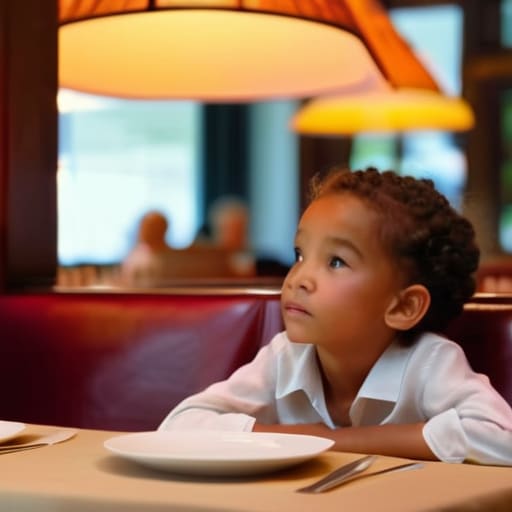
The mistake most parents make is treating the restaurant like a living room with better lighting. It isn’t. When you walk through those doors, you are entering a choreographed ecosystem of timing, temperature, and tension. If you want stress-free family dining, the work starts in the car, not when the bread basket arrives. You have to set the expectation that this is a shared space, not a private playground. I used to tell my staff that a child’s behavior is often just a reflection of the “rules of engagement” established before they even see a menu.
Don’t go in blind. If you’re preparing children for restaurant visits, you need to do a dry run of the expectations. Explain that voices stay at a certain level and that the table is for eating, not for building Lego towers. I’ve seen many a lovely evening ruined because a parent assumed a new toy would act as a magic wand for keeping kids entertained at dinner. A toy is a tool, not a substitute for discipline. If they know the boundaries before they sit down, the staff can focus on the service rather than bracing for a meltdown.
Restaurant Etiquette for Parents and the Invisible Cost of Chaos

When you walk through those doors, you aren’t just a customer; you are a variable in a very delicate equation of timing and atmosphere. Most people think restaurant etiquette for parents is just about keeping a child from running into the kitchen, but it goes deeper than that. It’s about the vibration of the room. A sudden, high-pitched scream doesn’t just startle the table next to you; it breaks the spell for everyone else. In a small room, sound travels like water through a pipe. If you’re struggling with keeping kids entertained at dinner, realize that the “spectacle” of a meltdown is often more exhausting for the staff than the actual meal prep.
The invisible cost here isn’t just the noise; it’s the pacing of the service. When a child is restless, parents tend to rush, or worse, they freeze, letting plates sit and go cold while they manage a crisis. This disrupts the flow of the entire floor. A table that sits too long or oscillates between frantic and stagnant forces the floor manager to recalibrate every other timing in the room. If you want to be a guest we love to have back, respect the rhythm of the room as much as you respect your own budget.
The Survival Guide for Small Tables and Big Personalities
- Timing is everything, and I don’t mean the reservation. If you want a peaceful meal, you aim for the lull between the lunch rush and the dinner swell. Trying to bring a restless toddler into a room at 7:30 PM—when the acoustics are tight and every other table is paying for an intimate anniversary—is asking for a collision course.
- Respect the ‘no’ on the menu. I’ve seen parents try to negotiate with a waiter like they’re in a boardroom, demanding a side of truffle fries when the kitchen is mid-service and the chef is already underwater. If the menu says no, it’s usually because the prep time or the cost doesn’t make sense for the kitchen to pivot. Accept it and move on.
- The ‘Activity Buffer’ is your best friend. Don’t rely on a tablet or a screen to do all the heavy lifting; it’s a lazy way to dine and it makes the staff feel like they’re working in a cinema rather than a dining room. Bring something tactile—a book, a drawing pad, something that doesn’t require a Wi-Fi signal or a pair of headphones that leak sound.
- Understand the ‘Service Gap.’ There is a specific window between when the appetizer arrives and when the main course hits the table. This is the danger zone. Have a snack in your bag or a small activity ready before the food arrives, so you aren’t frantically searching for a distraction while the waiter is trying to clear plates.
- Be mindful of the ‘Acoustic Footprint.’ In a small room, sound travels. A child’s laughter is lovely; a child’s screech is a physical weight on the shoulders of every other guest. If the volume starts to climb, don’t wait for a manager to come over with a sympathetic look—take the hint, step outside for a moment, and reset.
The Bottom Line for Families and Restaurateurs
Remember that a dining room is a shared ecosystem, not a private playground; your child’s behavior directly impacts the experience of the table next to you and the mental load of my staff.
Treat dining out as a skill you teach, not just a service you consume—the more prepared a child is for the rhythm of a service, the more relaxed the entire evening will be for everyone involved.
Respect the economics of the seat; when a meal turns into a spectacle of chaos, it devalues the space and makes it harder for small, independent businesses to welcome families back.
The Hidden Tax of a Meltdown
When a child starts screaming in a dining room, you aren’t just dealing with a tantrum; you are actively devaluing the experience of every other person who paid for a quiet evening, and you are forcing my staff to choose between being hospitable to you and being professional to everyone else.
Rosalind Achterberg
The Bottom Line
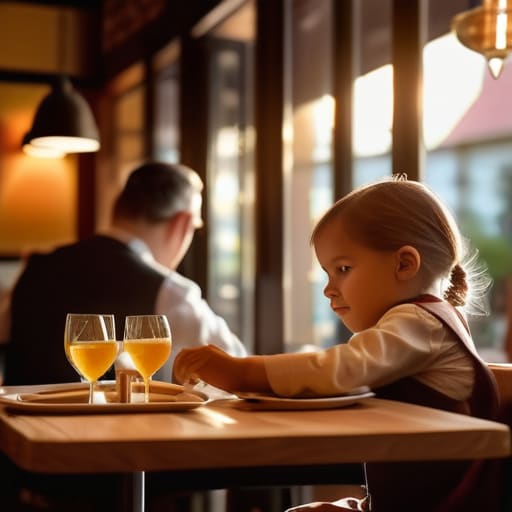
At the end of the day, managing children in a dining room isn’t about achieving perfect, library-like silence; it’s about mutual respect for the space you’re occupying. It comes down to the preparation you do before you even leave the house, the awareness that your table is a business asset, and the discipline to step into the hallway if a meltdown becomes a performance. When you manage the chaos, you aren’t just being a “good parent”—you are helping the staff stay focused on the kitchen and ensuring that the guest at the next table can actually hear their own partner. It is a delicate balancing act between enjoying a life with family and acknowledging the professional environment around you.
I spent twenty-six years watching families come and go, and I can tell you this: the restaurants that survive are the ones that feel like part of the community, and that includes the messy, loud, wonderful parts of life. Don’t let the fear of a spilled juice box keep you from the table, but do approach every meal with the understanding that hospitality is a two-way street. If you bring a sense of consideration to the room, you’ll find that most restaurateurs aren’t looking to judge you; they’re just looking for a way to serve you well. Go out, eat, and let your children experience the world, just remember to mind the pass.
Frequently Asked Questions
What should I do if my child has a meltdown despite my best efforts to prepare them?
Listen, I’ve seen it happen to the best of them. You’ve done the prep, you’ve bought the coloring books, and then—boom. The meltdown happens. When that happens, don’t freeze. Don’t try to “power through” and hope the table next to you doesn’t notice; they always do. Pick them up, walk out, and breathe. It’s better to lose the cost of a meal than to let a crisis turn a dining room into a battlefield.
How can I tell if a restaurant is actually "family-friendly" or if they’re just saying that to fill seats?
Don’t look at the website; look at the floor. A place that’s truly family-friendly has a rhythm that accommodates them without breaking. If you see high chairs tucked neatly away rather than shoved in a dusty corner, or if the staff seems genuinely prepared for a spilled juice rather than panicked by it, they mean it. If they’re just using the label to fill seats, you’ll see the cracks the moment a toddler gets restless.
Is it ever acceptable to bring a toddler to a high-end dining room, or am I just asking for trouble?
Is it acceptable? Technically, yes. But let’s be honest: you aren’t just bringing a child; you’re bringing a variable that no amount of training can control. If it’s a place with white tablecloths and a quiet, rhythmic service, you’re asking for a high-stakes gamble. If you can guarantee a calm presence and have a plan for the inevitable “I’m bored” meltdown, go for it. If not, do us both a favor and stick to the bistro.
