
 Written by
 I remember a Tuesday night in my old sixteen-cover dining room, the kind where the air is thick with the scent of garlic and the low hum of satisfied regulars. A young man, looking pale and terrified, approached my server to ask about nut allergies, and I watched the entire dance unfold: the waiter’s hesitant nod, the frantic, whispered question to the chef, and the subsequent visible panic that rippled through the kitchen. Most people think knowing how to handle allergies safely is about having a fancy laminated binder of ingredients or a high-tech digital system, but they’re dead wrong. It isn’t about the paperwork; it’s about the unspoken communication between the front of house and the line, and the terrifying reality that a single lapse in concentration can turn a beautiful evening into a medical emergency.
I’m not here to give you the sanitized, corporate version of food safety that you’ll find in a hospitality textbook. I’ve spent twenty-six years seeing exactly where the systems break down when the printer jams or the kitchen gets slammed during a Friday rush. I’m going to tell you the unvarnished truth about what it actually takes to manage a kitchen safely—from the way you train your prep cooks to the way you manage a guest’s expectations without making them feel like a burden.
Implementing Foolproof Food Allergy Prevention Protocols
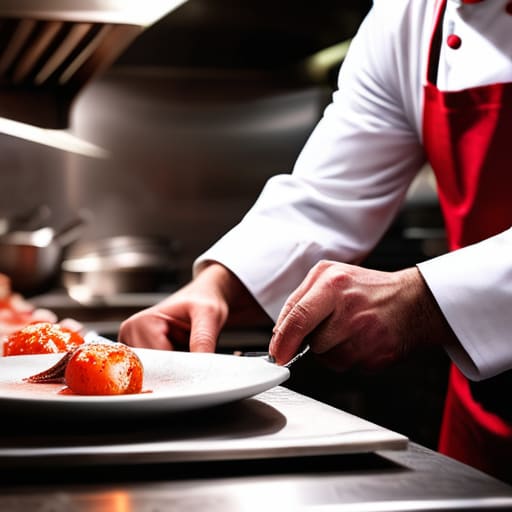
You don’t need a fancy manual to tell you that a mistake here is life or death, but you do need a system that doesn’t rely on a tired chef’s memory at 9:00 PM. Real allergen management in food service isn’t about a single conversation; it’s about the hand-off. I always told my staff that the moment a guest mentions an allergy, that information needs to travel like a flare in the sky. It has to hit the server, the head chef, and the person on the line simultaneously. If that message gets diluted by a busy pass or a loud kitchen, you aren’t just risking a bad review—you’re managing anaphylaxis risk without any actual tools.
The secret to preventing accidental exposure lies in the boring, repetitive stuff: color-coded boards, dedicated pans, and washing hands like you actually mean it. I used to watch new cooks think they could just “wipe a knife” and keep going, but that’s how people end up in the hospital. You need strict, unshakeable protocols that stay in place even when the dining room is slamming and the dishwasher is calling in sick. If your kitchen culture treats safety as an “extra step” rather than the foundation, you’ve already lost the battle.
Preventing Accidental Exposure in a Chaotic Kitchen
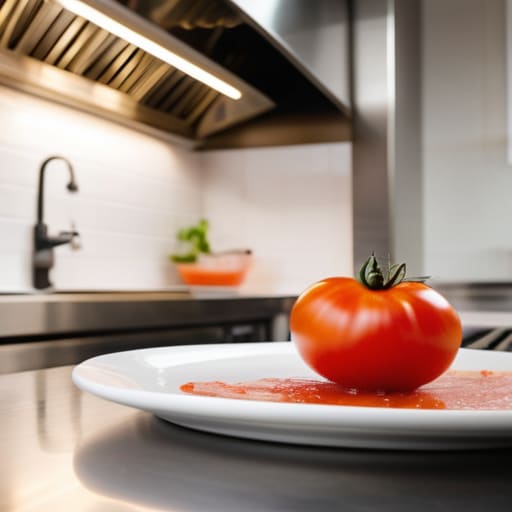
The kitchen during a Friday night rush is not a place of Zen-like calm; it is a controlled riot of shouting, clattering pans, and heat. In that chaos, the biggest threat to a customer isn’t a bad sauce, but a stray dusting of flour or a shared spoon. When you are juggling twelve orders at once, preventing accidental exposure becomes a battle of discipline against instinct. I’ve seen well-meaning cooks reach for a knife they just used for garlic to slice a tomato for an allergy order, and in that split second, a life is put at risk. It isn’t enough to “be careful”; you need a physical barrier between the danger and the plate.
This is where true allergen management in food service happens—not in the handbook, but in the way you organize your prep stations. I always taught my team that if an allergy ticket comes in, that dish gets its own dedicated space, a clean board, and a fresh set of tongs. You don’t just wipe a knife; you change it. You treat that single plate like it’s the only one in the building, because when it comes to a reaction, there is no such thing as a “minor” mistake.
The Five Rules I Learned the Hard Way
- Stop treating “allergy” like a suggestion; if a customer tells you they have a nut allergy, it is now the most important piece of information in the building, and you don’t move a single plate until the chef has personally nodded at you.
- Your written menu is a lie if it doesn’t account for the “hidden” stuff—I’ve seen too many young cooks forget that a splash of soy sauce or a dash of pesto can turn a safe dish into a hospital visit in seconds.
- Invest in separate, color-coded cutting boards and dedicated pans because, frankly, if your prep cook is using the same knife for the garlic and the shellfish, you aren’t running a kitchen, you’re running a gamble.
- The “hand-off” is where the system breaks; I always told my servers that the person who carries the plate to the table must be the one who knows exactly why that plate is different, so there’s no room for a “guess” when the guest asks.
- If you can’t guarantee safety, have the backbone to say “no”—I’d rather lose the profit on a table of four than spend my Sunday morning explaining to a parent why their child is in the emergency room.
The Bottom Line: What You Can’t Afford to Miss
Treat every allergy alert as a potential crisis, not a minor inconvenience; in a busy kitchen, a single moment of “I thought he said…” is all it takes to ruin a business and a life.
Communication must be loud, clear, and documented—if the server doesn’t shout it to the chef, and the chef doesn’t repeat it back, the system has already failed.
Invest in your people as much as your ingredients, because even the best protocols are useless if your staff is too tired or too undertrained to care about the details.
The Weight of a Single Plate
“In this business, you can survive a bad review or a lukewarm soup, but you won’t survive a mistake with an allergy. When a guest tells you they can’t have nuts or shellfish, they aren’t making a preference; they’re handing you their safety, and if your kitchen isn’t disciplined enough to respect that, then you have no business opening your doors at all.”
Rosalind Achterberg
The Bottom Line on Safety
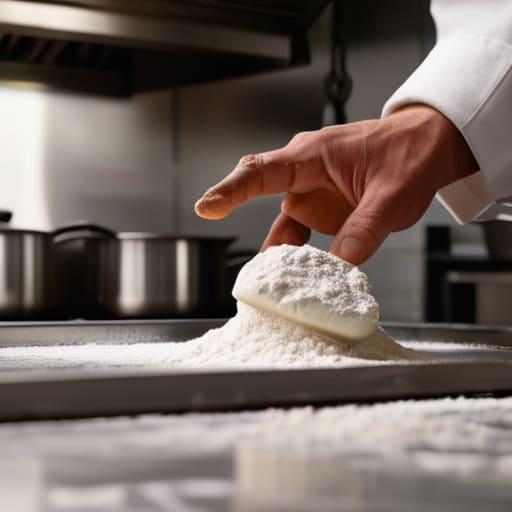
At the end of the day, managing allergies isn’t about having the flashiest digital allergy software or a printed manual gathering dust in the manager’s office. It’s about the unglamorous, repetitive work: the double-checking of labels, the strict separation of prep surfaces, and the unwavering discipline of a kitchen crew that understands a mistake isn’t just a “service error”—it’s a potential catastrophe. You have to build a culture where the commis chef feels just as responsible for a nut allergy as the head chef does. If your communication between the front of house and the pass is broken, all the expensive ingredients in the world won’t save you. Safety is a systemic habit, not a lucky break.
I’ve seen too many beautiful dining rooms shuttered not because the food lacked soul, but because they lost the trust of their guests over a single, preventable oversight. People come to us to be looked after, to escape the stress of their own lives for an hour or two; they shouldn’t have to spend that hour wondering if their meal is a threat. Running a restaurant is a heavy lift, and the margins are thin enough as it is, but protecting your guests is the only way to ensure you’re still standing to serve them tomorrow. Treat every allergy with the gravity it deserves, and you’ll build a reputation that no amount of marketing can buy.
Frequently Asked Questions
How do I handle it when a customer insists they aren't allergic, but their behavior or the way they order makes my gut tell me they’re lying?
Trust your gut. In my sixteen-seat room, if a guest was being “difficult” about an allergy, I didn’t see it as an inconvenience; I saw it as a liability. If someone says they aren’t allergic but is ordering like they are—or worse, trying to bypass the kitchen’s safety protocols—you stop the service. I’d rather lose the sale and deal with a grumpy customer than lose my license or a life because I let my ego get in the way of a hard “no.”
When the kitchen is absolutely slammed and the printer is screaming, how do I make sure the "allergy" ticket doesn't just become another piece of paper in the chaos?
When the printer starts screaming, that’s when the real danger begins. In a rush, an “allergy” note looks like just another instruction, easily missed by a line cook mid-service. You need a physical ritual. I used to make my chefs call out the allergy ticket loud enough for the whole kitchen to hear, then have them touch the ticket itself. If it isn’t shouted, it doesn’t exist. Silence in a busy kitchen is where mistakes live.
At what point does a mistake move from being a "training issue" to something that's going to cost me my business or, worse, someone's life?
It stops being a training issue the moment it becomes a pattern. A single slip-up is a mistake; a second time is a failure of your systems. When you stop asking why the server forgot to flag the nut allergy and instead just tell them to “be more careful,” you’ve crossed the line. Once you lose the discipline to audit your own kitchen, you aren’t running a restaurant anymore—you’re just running a gamble.
