
 Written by
 I remember a Tuesday in mid-July, thirty years ago, when the compressor on my walk-in died at 2:00 AM. I stood there in the dark, the smell of wilting herbs and warm cream hitting me like a physical blow, realizing that every single cent of my profit margin was currently sweating in a puddle of lukewarm water. Most people think a complete guide to food safety is a thick, dusty binder of government regulations sitting on a shelf in the manager’s office, gathering grease and neglect. They’re wrong. Food safety isn’t about passing a checklist; it’s about the terrifying, split-second decisions you make when you’re exhausted, understaffed, and staring at a crate of expensive sea bass that looks just a hair too dull.
I’m not here to recite the legal jargon you can find on any municipal website. Instead, I’m going to give you the truth from someone who has actually had to pay for mistakes in blood, sweat, and closed doors. This is my personal, no-nonsense version of a complete guide to food safety, focusing on the practical realities of temperature, cross-contamination, and the human error that actually kills a business. I’ll tell you what to watch, what to ignore, and how to protect your reputation when the kitchen gets loud and the pressure gets high.
Why Proper Food Storage Temperatures Are Your Real Bottom Line
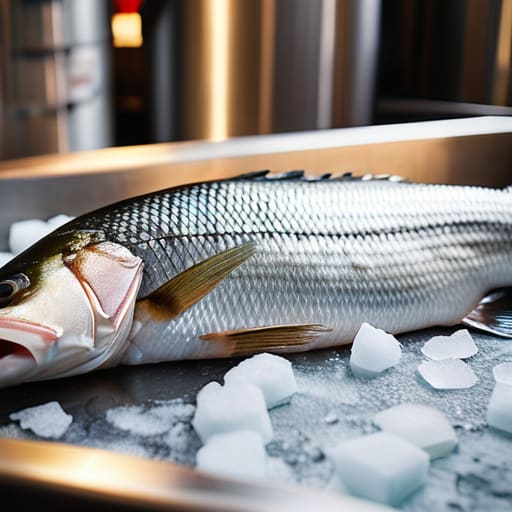
People love to talk about the “art” of cooking, but if you aren’t obsessing over your walk-in temperatures, you aren’t an artist—you’re a liability. I’ve seen too many young chefs treat a thermometer like a suggestion rather than a law. They think a slightly lukewarm fridge is fine because the milk doesn’t smell “off” yet. But here is the reality: bacteria don’t need to smell bad to ruin your week. Maintaining proper food storage temperatures isn’t just about following a manual; it’s about protecting your margins. Every time a crate of expensive sea bass sits in the “danger zone” because a compressor is struggling, you are literally throwing cash into the bin.
When you fail at temperature control, you aren’t just risking a bad review; you are failing at the most basic level of preventing foodborne illnesses. It’s the invisible killer of small businesses. One bad batch of chicken can trigger a chain reaction that wipes out your reputation and your bank balance overnight. You can have the most talented sous-chef in the city, but if your critical control points are ignored, you don’t have a restaurant—you have a ticking time bomb.
The High Price of Failing Your Critical Control Points
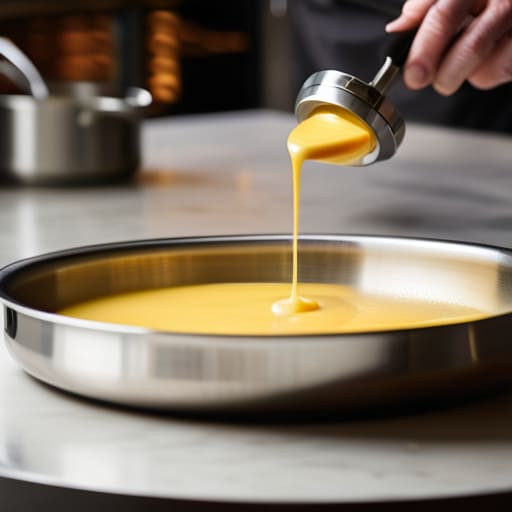
In my sixteen-cover dining room, I didn’t look at my Critical Control Points as checkboxes on a clipboard; I looked at them as the only thing standing between a successful service and a legal nightmare. When you miss a temperature check on a batch of hollandaise or ignore a slightly leaky seal on the walk-in, you aren’t just being “busy”—you are gambling. People talk about the cost of premium ingredients, but they never talk about the cost of a single bad night. One lapse in cross-contamination prevention can turn a Friday night rush into a permanent closure.
It isn’t just about the health inspector’s fine, though those sting. It’s the invisible math of a mistake. If a customer gets sick, you aren’t just paying for a refund; you’re paying for the loss of trust, the legal fees, and the crushing weight of knowing your name is now associated with a bad experience. A robust system of sanitization and hygiene protocols isn’t there to make your life harder; it’s there to ensure that when you finally lock the doors at midnight, you aren’t wondering if you’ll have a business left to open tomorrow.
Five Hard Truths About Keeping the Inspector—and the Poisoning—at Bay
- Stop treating your staff training like a box-ticking exercise. You can hand a kid a handbook and a certificate, but if they don’t understand that a lukewarm chicken breast is a ticking time bomb for your business, that paper is worthless. Real safety happens in the muscle memory of a busy service, not in a dusty folder in the office.
- Cross-contamination isn’t just about a dirty cutting board; it’s about the invisible chaos of a cramped kitchen. If your prep cook is using the same tongs for the raw pork as they are for the garnish, they aren’t just being lazy—they are actively sabotaging your reputation. Watch the hands, not just the equipment.
- Your cleaning schedule needs to be more than just “wiping down the counters.” I’ve seen too many places that look sparkling to a customer but have a layer of sludge building up in the floor drains and behind the reach-in fridges. If you aren’t cleaning the spots nobody sees, you aren’t actually clean.
- Watch your suppliers like a hawk. You can have the most disciplined kitchen in the world, but if you’re accepting a crate of tomatoes that arrived on a truck with a broken compressor, you’ve already lost the battle. If the delivery looks dodgy, send it back. It’s cheaper than a lawsuit.
- Documentation isn’t just for the health inspector; it’s your only defense when things go wrong. When you’re sweating under the lights because a customer claims they got sick, “I think we did everything right” won’t save you. You need those temperature logs and cooling charts to prove you weren’t cutting corners.
The Hard Truths You Can't Afford to Ignore
Food safety isn’t a checklist for a clipboard; it’s the only thing standing between a profitable Tuesday and a permanent “Closed” sign on your front door.
Every time a staff member skips a temperature log or leaves a crate of dairy on the loading bay, they aren’t just being lazy—they are gambling with your bank balance and your reputation.
You can have the most talented chef in the city, but if your storage protocols are a mess, you’re just running a very expensive way to make people sick.
The Myth of the "Small" Mistake
People think food safety is about passing a government inspection, but it isn’t. It’s about that one Tuesday night when you’re short-staffed, the dishwasher is walking out, and you’re tempted to leave the poultry sitting on the counter for just five minutes too long. Food safety isn’t a checklist; it’s the quiet, expensive discipline of doing the right thing when you’re too tired to care, because once you lose a customer’s trust to a bad piece of chicken, no amount of clever marketing is ever going to buy it back.
Rosalind Achterberg
The Long Game of a Clean Kitchen

At the end of the day, food safety isn’t some abstract checklist designed to annoy your chefs or slow down your service; it is the very foundation of your profit and loss statement. We’ve talked about the math of temperature control, the nightmare of failing a critical control point, and the sheer cost of wasted stock. When you ignore the small things—the slightly dodgy fridge seal or the prep cook who skips the handwash—you aren’t just risking a fine from the inspector. You are gambling with your entire reputation and the hard-earned money you’ve poured into this business. You can have the most exquisite menu in the city, but if your kitchen isn’t disciplined, you don’t have a restaurant; you have a ticking time bomb.
I know it feels like a grind. I know there are nights when you’re exhausted, the floor is sticky, and you just want to go home. But remember that the best hospitality isn’t just about the flavor of the sauce or the way the wine hits the glass; it’s about the invisible trust between you and the person sitting at table four. They shouldn’t have to think about their safety because you’ve already done the thinking for them. Build a culture where doing it right is the only way you do it, and you won’t just survive another year—you’ll build something that actually lasts.
Frequently Asked Questions
If I’m running a tiny operation with only two staff members, how am I supposed to keep up with all this paperwork without spending half my night in a back office?
Look, I’ve been there. When it’s just you and a junior, the last thing you want to do is play clerk after a twelve-hour shift. Don’t try to build a mountain of paperwork; you’ll just drown. Simplify. Use a digital system if you can—it does the math for you—or keep a single, laminated sheet by the fridge for quick ticks. If it isn’t essential for the inspector or your sanity, stop writing it down.
At what point does "saving money on ingredients" cross the line into a food safety risk that could actually bankrupt me?
It crosses the line the moment you stop looking at the invoice and start looking at the clock. If you’re buying “discounted” poultry because it’s two days past its prime, or letting a delivery sit on a loading bay because the prep cook is running late, you aren’t saving money—you’re gambling with your life savings. One bad batch of sauce doesn’t just cost you a few hundred pounds in waste; it costs you the reputation that took twenty years to build.
How do I tell the difference between a kitchen worker who is genuinely struggling with hygiene and one who is just cutting corners because they think I’m not looking?
Look for the “effort gap.” A struggling worker is frantic; they’re trying to keep up with the tickets, their station is a mess because they’re drowning, but their tools are clean and they’re asking questions. They’re overwhelmed, not malicious. The corner-cutter, however, is calm. They’ve mastered the art of the “performative wipe”—cleaning the surface only when you walk by. One is a training issue; the other is a character issue. Train the first, fire the second.
