
 Written by
 I remember a Tuesday night in my old dining room, about ten years ago, when a couple sat down at 9:45 PM. They hadn’t looked at the website, they hadn’t seen the “last seating” note, and they were visibly annoyed when I told them the kitchen was already scrubbed down. They weren’t just hungry; they were offended. Most hospitality consultants will tell you that “managing guest expectations” is about fancy software or a perfectly phrased reservation confirmation, but they’re selling you nonsense. In reality, if you haven’t mastered the art of how to manage guest expectations before they even walk through your door, you aren’t running a restaurant—you’re just waiting for a bad review to sink you.
I’m not here to give you a lecture on “customer service excellence” or any of that polished, textbook rubbish. I’ve spent twenty-six years staring down the barrel of a busy service, and I know that real expectation management is about protecting your people and your profit margins. I’m going to tell you the truth about why a vague menu is your best friend, how to handle the “impossible” request without breaking your staff, and why being brutally honest about what you can actually deliver is the only way to keep your doors open.
Transparency in Hospitality the Cost of Overpromising

I’ve seen too many young owners fall in love with the idea of being “everything to everyone.” They print menus that promise seasonal truffles in July or claim a level of service that requires a staff of twelve, when they only have three. That’s not ambition; it’s a lie waiting to be exposed by a hungry customer at 8:00 PM. When you overpromise, you aren’t just setting yourself up for a bad review; you are creating a debt that your kitchen and floor staff have to pay back in sweat and stress.
True transparency in hospitality isn’t about being blunt; it’s about being honest before the first drink is poured. If the fish delivery didn’t arrive or the oven is acting temperamental, tell the table. I always found that proactive guest engagement—simply saying, “The sea bass isn’t quite where we want it today, so we’re running a different special”—actually builds more trust than a polished, fake apology later. If you manage the truth early, you aren’t just fixing a mistake; you’re protecting your team from the fallout of a broken promise.
Proactive Guest Engagement Before the First Course Arrives
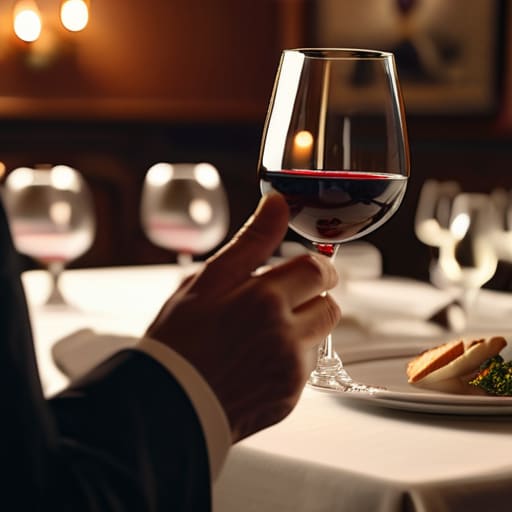
The mistake most young owners make is thinking that “engagement” means a waiter hovering like a nervous moth every time a water glass hits the halfway mark. It isn’t. Real proactive guest engagement happens before the guest even has a chance to feel ignored or confused. It’s about the subtle information shared during that first minute—the mention that the sea bass was caught this morning, or the quiet heads-up that the kitchen is running a bit behind because the soufflé prep is taking longer than expected. When you give a guest a piece of information before they have to ask for it, you aren’t just being polite; you are giving them control over their own evening.
I always told my floor staff that silence is rarely golden; it’s usually just a vacuum waiting to be filled with frustration. If you know a dish is going to take twenty minutes, tell them at the start. If the wine list is missing a vintage they specifically requested, don’t wait until they’ve scanned the whole page to apologize. By using these small customer service communication strategies early on, you aren’t making excuses—you are setting the tempo for the night. It’s much easier to manage a guest who feels informed than one who feels neglected.
The Invisible Mechanics: Five Ways to Keep the Promises You Actually Mean
- Stop hiding the truth about wait times. If the kitchen is drowning because two prep cooks called in sick, don’t tell the guest “everything is fine” while they stare at an empty water glass. Tell them the truth: “The kitchen is running about fifteen minutes behind us tonight, so please take your time with the wine list.” People can forgive a delay, but they can’t forgive being lied to by a waiter who looks like he’s panicking.
- Audit your menu descriptions for “marketing fluff.” If you call a dish “hand-massaged kale” or “artisanally sourced,” you are setting a trap for yourself. You’re inviting a customer to judge you on a standard of perfection that doesn’t exist. Just tell them what it is and how it’s cooked. If the steak is good, the steak will speak for itself without the adjectives.
- Watch your lighting and acoustics like a hawk. You can serve the most exquisite turbot in the world, but if the music is so loud the table has to lean in to hear each other, or if the lighting makes them feel like they’re under a surgical lamp, they’ll leave feeling agitated rather than satisfied. Managing expectations isn’t just about the food; it’s about the physical environment you’ve promised them.
- Train your staff to spot the “silent dissatisfied.” The most dangerous guest isn’t the one complaining loudly; it’s the one who has stopped looking at the menu and started looking at their watch, or the one who has stopped engaging with their partner. If your floor staff learns to read those subtle shifts in body language, they can fix a problem before it turns into a one-star review.
- Be honest about what your kitchen can and cannot do. I spent years watching young chefs try to accommodate every dietary whim with a “yes” that resulted in a rushed, mediocre plate. If a substitution is going to compromise the integrity of the dish, tell the guest. They’ll respect the expertise more than they’ll appreciate a mediocre compromise.
The Bottom Line: What Stays When the Lights Go Down
Stop selling a fantasy you can’t afford to maintain; it is better to promise a solid, honest meal and deliver it, than to promise magic and end up with a kitchen staff too burnt out to care.
Manage the clock as much as the menu, because an unmanaged expectation regarding timing is the quickest way to turn a loyal regular into a one-time visitor.
Real hospitality isn’t about the grand gestures that look good on Instagram; it’s about the quiet, consistent competence that ensures the guest feels seen without ever feeling like they’ve become a burden to the business.
The Lie of the Perfect Evening
“Stop trying to sell a fairy tale in your marketing copy. If you promise a ‘transformative culinary journey’ and then serve a slightly overcooked sea bass, you haven’t just missed a mark—you’ve broken a contract. I’d much rather a guest walk in expecting a solid, honest meal and leave feeling surprised by the excellence, than walk in expecting magic and leave feeling cheated by the reality.”
Rosalind Achterberg
The Real Bottom Line

At the end of the day, managing expectations isn’t about clever marketing or smoothing over cracks with a free glass of prosecco when things go sideways. It is about the math and the honesty behind the curtain. It’s knowing that if you promise a “gastronomic journey” but only have the staffing levels to run a bistro, you are setting yourself up for a slow-motion train wreck. You have to balance the reality of your kitchen’s capacity against the dreams of the person sitting at table four. When you are transparent about what you can actually deliver—whether that’s the timing of a course or the true origin of a fillet—you aren’t just managing a guest; you are protecting your margins and your sanity.
I spent twenty-six years watching people try to build empires on hype, only to see them crumble because they forgot that trust is the hardest ingredient to source. A restaurant survives on repeat business, and you don’t get repeat business by being perfect; you get it by being reliable. If you can master the art of telling the truth—even when the truth is that the kitchen is running twenty minutes behind—you will build a foundation that no bad review can shake. Remember, we aren’t just selling plates of food; we are selling a promise, and the most profitable thing you can do is make sure you can actually keep it.
Frequently Asked Questions
How do I handle a guest who expects a specific table or a quiet corner that I simply cannot guarantee without looking like I’m making excuses?
Stop apologizing and start explaining the math. When a guest asks for the “quiet corner,” don’t say, “I’ll try, but I can’t promise.” That’s a lie wrapped in a shrug. Instead, say: “I’ve noted your preference, but because we only have sixteen covers, the room’s energy depends on who else is dining. I can’t guarantee the corner, but I can guarantee we’ll find you the best seat available for your pace.” You aren’t making excuses; you’re managing the reality of the room.
At what point does being "transparent" about a delay or a mistake turn into killing the mood and ruining the guest's appetite?
It turns into a mood-killer the moment you start apologizing for the process rather than the problem. If you’re standing there explaining that the sous-chef is short-staffed or the delivery truck was late, you’ve failed. Guests don’t care about your logistics; they care about their dinner. Tell them the truth—”The sea bass is taking a few extra minutes to reach perfection”—and then get out of their way. Brief, honest, and then back to service.
How do you train a young, eager server to manage expectations without making them sound scripted or, worse, like they're warning the guest that something might go wrong?
Stop teaching them scripts; scripts are where the soul of service goes to die. If a dish is going to take forty minutes because the chef is working through a tricky reduction, don’t tell the guest “there might be a delay.” That sounds like an apology for a failure that hasn’t happened. Tell them, “The chef is taking extra care with the braise tonight, so it’ll be a little longer than usual.” It’s not a warning; it’s an invitation to value the craft.
