 Written by
 I’ve sat at enough bar counters to know the exact look on a person’s face when they’re staring at a wine list that looks more like a Latin textbook than a menu. They’re terrified of looking foolish, so they point to the most expensive bottle or, worse, settle for something they’ll hate just to end the tension. Most people will tell you that you need to learn about “tannins” or “terroir” before you can even order a glass, but frankly, that’s mostly nonsense designed to keep you from feeling confident. If you’re looking for a complete guide to wine for beginners that involves sniffing your glass like a bloodhound and memorizing obscure French villages, you’ve come to the wrong place.
I’m not here to teach you how to sound like a sommelier; I’m here to teach you how to actually enjoy your drink without being fleeced. I’ve spent thirty-eight years watching what people actually like versus what they think they should like, and I’m going to tell you the truth about what makes a bottle worth your hard-earned money. We’re going to strip away the pretension and focus on the practicalities—the stuff that matters when you’re sitting across from someone you care about. This is about real taste, not expensive labels.
Decoding the Bottle How to Read Wine Labels Without Flinching
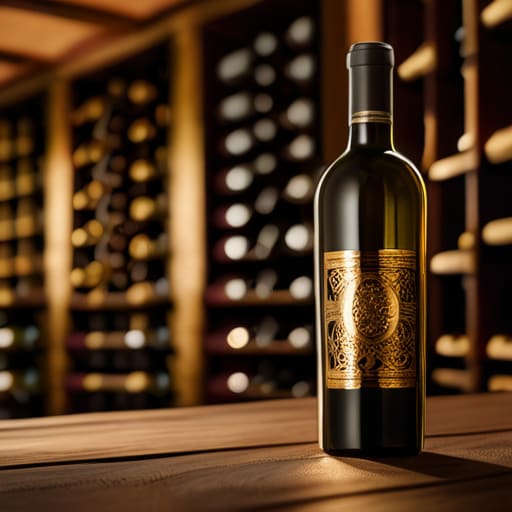
When you stand in the wine aisle, the first thing that hits you isn’t the scent of oak or fruit; it’s the sheer, deliberate intimidation of the typography. Most labels are designed to make you feel like you’ve walked into the wrong room. But here is the secret: you don’t need a degree in viticulture to understand how to read wine labels effectively. You just need to know what the printer is trying to hide. If a label is covered in gold foil and sprawling French script, it’s often trying to justify a markup that has nothing to do with the liquid inside.
Instead of squinting at the flowery descriptions, look for the three pillars: the grape, the region, and the vintage. If you see names like Cabernet Sauvignon or Chardonnay, you’re looking at popular wine grape varieties that offer a predictable baseline—which is exactly what you want when you’re starting out. Don’t get distracted by the marketing fluff about “hand-harvested” or “artisanal” anything. I spent twenty-six years looking at margins; if the label is doing too much heavy lifting, the price tag usually is, too.
Popular Wine Grape Varieties and the Realities of the Vine
When you look at a wine list, don’t let the list of popular wine grape varieties intimidate you into ordering the most expensive thing on the page. Most people think they need to master a complex wine tasting notes vocabulary just to have a decent evening, but that’s nonsense. At my old place, I didn’t care if a guest could identify “notes of forest floor and toasted brioche”; I cared that they understood the basic profile of what they were drinking. If you’re looking at a Cabernet Sauvignon, expect something heavy and tannic that wants a steak; if it’s a Pinot Noir, it’s lighter, more elegant, and won’t fight your salmon.
Understanding these profiles is the foundation of food and wine pairing basics, but it’s more about balance than rules. It’s the difference between a wine that elevates your meal and one that makes your palate feel like it’s been scrubbed with sandpaper. You don’t need to be an expert to avoid a bad match; you just need to know if you’re looking for something bright and acidic to cut through fat, or something deep and dark to stand up to spice.
Five Things I Wish I Knew Before I Ever Touched a Wine List
- Stop trying to learn the “rules” and start trusting your palate; if a wine costs forty pounds and tastes like vinegar to you, it’s a bad wine, regardless of what the sommelier says or what the critic wrote in the paper.
- Understand that price is often a lie—sometimes you’re paying for the prestige of the label and the rent of the restaurant, not the quality of the juice—so always ask the staff what they actually enjoy drinking, not just what’s most expensive.
- Learn the difference between “body” and “strength,” because a wine can feel heavy and thick in your mouth like cream without actually having a high alcohol content that’s going to knock you sideways.
- Don’t be afraid to ask for a taste before you commit to a full glass; a decent restaurant won’t blink, and it’s much cheaper to lose two sips of a bad bottle than to pay for a whole glass of something you’ll end up pouring down the sink.
- Realize that temperature matters as much as the grape itself; if your white wine is served ice-cold, you won’t smell a thing, and if your red is sitting in a warm room, it’ll taste like nothing but rubbing alcohol.
Three Things to Remember Before You Order
Don’t let the vocabulary intimidate you; you don’t need to know what “tannins” or “acidity” feel like in your mouth to know if a wine tastes good or if it’s just overpriced vinegar.
The label is often a marketing tool, not a map, so focus more on what the grape is and where it’s from than the fancy calligraphy or the story the winery is trying to sell you.
Price doesn’t always equal quality, but it does often equal a better markup—learn to look past the prestige of the name to find the bottles that actually offer decent value for your money.
Stop Searching for the 'Perfect' Bottle
Beginners always make the same mistake: they try to learn wine by memorizing a list of rules, as if they’re studying for a chemistry exam. But wine isn’t a textbook; it’s a tool for a meal. You don’t need to know the exact soil composition of a hillside in Bordeaux to know if a wine is going to make your steak taste better or just make your head ache. Forget the prestige and the fancy vocabulary; just find something that works with what’s on your plate and what’s in your wallet.
Rosalind Achterberg
The Bottom Line
At the end of the day, don’t let the jargon or the intimidatingly heavy glassweights get the better of you. We’ve covered how to squint at a label without feeling like a fraud, the basic personalities of the grapes, and why you don’t need a degree to know if a bottle is actually good. Remember: a label tells you where the wine was born, but it doesn’t tell you if it’s going to pair with your dinner or make you smile. The most important thing isn’t knowing the exact soil composition of a Bordeaux; it’s knowing that you actually enjoy the drink in front of you. If you spend forty dollars on a bottle that tastes like nothing to you, you haven’t failed a test—you’ve simply learned something about your own palate, which is the only metric that truly matters.
I spent twenty-six years watching people sit at my tables, and I can tell you that the most miserable diners are the ones trying to drink “correctly” instead of drinking happily. Wine is a tool for connection, a way to mark a Tuesday night or a milestone anniversary, and it shouldn’t feel like a homework assignment. Stop worrying about whether you’re choosing the “right” thing and start focusing on the experience of the sip. Buy the bottle that catches your eye, ask the server a direct question, and for heaven’s sake, don’t be afraid to ask for a taste. Life is far too short to drink wine you don’t like just because the name sounds expensive.
Frequently Asked Questions
If I'm ordering at a restaurant, how do I know if the sommelier is actually helping me or just trying to upcharge me on a bottle I don't need?
If they start with a question about your budget or your favorite food, they’re working. If they start by pointing at the most expensive label on the list, they’re selling. A real pro wants you to love the bottle, because a customer who enjoys their wine orders a second one. If they suggest a cheaper, better alternative that fits your meal, trust them. If they make you feel small for not knowing a vintage, walk away.
Do I really need to buy expensive glassware to enjoy a decent bottle, or is that just another way for shops to squeeze more money out of us?
Look, I’ve seen enough beautiful crystal gathering dust in back cabinets to know the truth. You don’t need a set of Riedels to enjoy a decent Malbec. What you need is a glass that doesn’t feel like a heavy, thick-rimmed mug in your hand. If the rim is too chunky, you aren’t tasting the wine; you’re just fighting the glass. Buy something decent, something thin-walled, but don’t let a salesperson convince you that a higher price tag equals a better evening.
How much should I actually be paying for a bottle of wine versus what the menu price says, and where is the line between a good deal and a rip-off?
Look, the markup is the industry’s dirty little secret. In a restaurant, you aren’t just paying for the liquid; you’re paying for the glass, the refrigeration, the cellar management, and the person who knows which bottle matches your sea bass. A standard markup is three times the retail price, but don’t flinch if it’s higher. A “rip-off” isn’t a high price—it’s a mediocre bottle priced like a vintage. If the wine is lifeless, the markup is theft.
