 Written by
 I’ve sat through enough dinners to know that most “expert” advice on this subject is just a way to make you feel small so you’ll buy the more expensive bottle. I’ve seen waiters lean over tables with that practiced, condescending tilt of the head, reciting a “complete guide to food and wine pairing” that sounds more like a chemistry lecture than a way to enjoy a meal. They’ll tell you that a certain vintage is the only way to respect a delicate sea bass, but they’re usually just protecting a high-margin cellar list. Truth is, if you’re sitting there sweating over a menu because you’re afraid of making a “wrong” choice, the person selling you the wine has already won, and you’ve already lost the evening.
I’m not here to give you a list of rigid rules that belong in a textbook. Instead, I want to give you the logic I used for twenty-six years behind my own pass: how to balance acidity, how to manage fat, and when to stop overthinking it. This isn’t about prestige; it’s about making the food taste better and ensuring you don’t waste a single cent on a bottle that fights your plate.
The Science of Survival Tannin and Fat Interaction
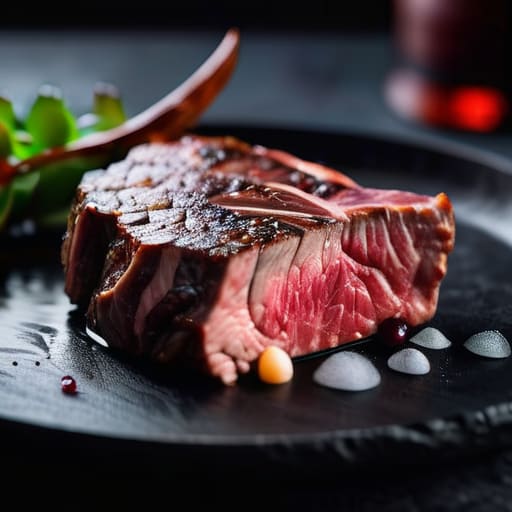
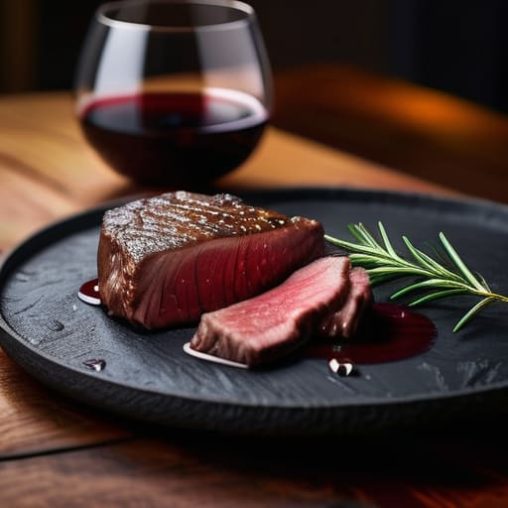
Now, let’s get past the romantic nonsense about “soulmates” on a plate and talk about the chemistry that actually keeps a dinner from falling apart. When I was running my dining room, I saw too many people order a high-tannin Cabernet with a delicate piece of fish, only to wonder why the fish tasted like wet cardboard. That’s because tannin and fat interaction isn’t magic; it’s physics. Tannins are essentially astringent compounds—they grab onto the proteins in your mouth and strip them away. If you have a piece of steak with a decent layer of fat, those tannins find something to latch onto, softening the wine’s grip and making the whole experience feel luxurious rather than sandpaper-dry.
Without that fat to act as a buffer, the wine will simply bully the food. It’s the same reason a heavy, oily pork belly demands a wine with enough structure to cut through the richness. You aren’t looking for complementary vs contrasting flavors in a vacuum; you are looking for a way to manage the weight in your mouth. If the wine is too light, the food feels greasy; if the wine is too heavy, the food disappears. It’s a delicate, expensive balancing act.
Beyond Color Why Red Wine vs White Wine Rules Fail
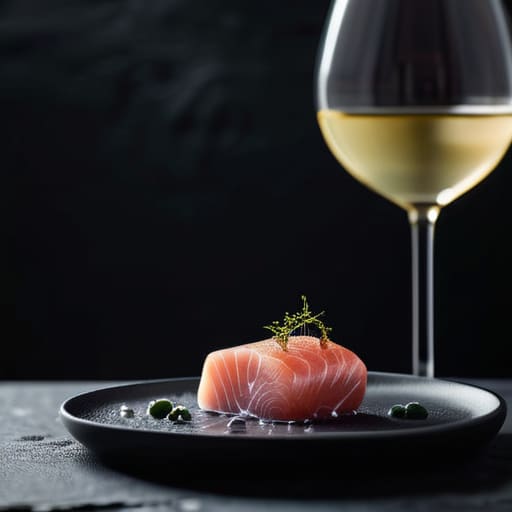
We’ve all heard the tired old sermon: “white wine with fish, red wine with meat.” It’s a rule designed for people who want to feel safe, not for people who actually want to enjoy their dinner. In my sixteen-seat dining room, I saw more wasted bottles because of this rigid thinking than I care to admit. If you’re serving a rich, fatty tuna belly, a delicate Pinot Grigio is going to vanish like a ghost, leaving you with nothing but a mouthful of expensive water. You don’t need a color match; you need a structural match.
The real secret lies in flavor profile matching that respects the weight of the plate. If you have a dish with high acidity—think a lemon-butter sauce or a bright vinaigrette—you need a wine that can stand up to it without being bullied. It’s about finding that acidic food wine balance so the wine doesn’t taste flabby or, conversely, so the food doesn’t make the wine taste like vinegar. Stop looking at the color of the liquid in the glass and start looking at the architecture of the ingredients on your fork.
Five Rules for the Table (and Your Wallet)
- Stop looking for “perfection” and start looking for balance. A pairing doesn’t need to be a marriage; it just needs to not be a fight. If the wine is screaming louder than the sauce, you haven’t found a pairing, you’ve found a distraction.
- Respect the weight of the plate. You wouldn’t serve a heavy, buttery Chardonnay with a delicate piece of steamed sea bass—not because it tastes “bad,” but because the wine will bully the fish into submission. Match the intensity of the liquid to the intensity of the protein.
- Acid is your best friend, even if it’s not in the glass. If a dish is heavy with oil or cream, you need acid—either in the food (a squeeze of lemon) or in the wine (a high-acid Riesling or Sauvignon Blanc)—to cut through the coating on your tongue. Without it, your palate gets fatigued by the third bite.
- Salt is the great negotiator. A little bit of salt in your food can actually make a wine taste fruitier and less bitter. If you’re drinking a high-tannin red that feels a bit harsh, don’t reach for the sugar; reach for the salt. It softens the edges.
- Don’t let the price tag dictate the pairing. I’ve seen people order a vintage Bordeaux to go with a mediocre steak just because they felt they had to, and all they did was waste money and ruin the wine. A crisp, cheap Pinot Grigio can be a better partner for a lemon-butter pasta than a thousand-dollar bottle of anything else.
The Bottom Line on Pairing
Stop looking for a rulebook and start looking at the plate; pairing isn’t about matching colors, it’s about using acid to cut through grease and tannins to stand up to protein so neither the food nor the wine feels like a chore to finish.
Don’t let a fancy wine list bully you into a bad decision; if the menu is heavy on butter and cream, a high-acid white is your best friend, regardless of whether the sommelier suggests a heavy red that will just sit like a stone in your stomach.
Remember that the most successful pairing is the one that makes the meal feel effortless, not the one that requires a lecture; if you’re spending more time analyzing the structure than enjoying the company, you’ve missed the point of the dinner entirely.
The Myth of the Perfect Pairing
Stop looking for a rulebook that tells you a Chardonnay belongs with fish; look for the dish that needs a bit of acid to cut through the butter, or the steak that needs a wine with enough backbone to stand up to the fat. A pairing isn’t a chemistry experiment to be solved—it’s a conversation between the plate and the glass, and if one is shouting while the other is whispering, you’ve wasted both the food and the money.
Rosalind Achterberg
Stop Overthinking the Glass
At the end of the day, pairing isn’t about memorizing a textbook or performing a chemistry experiment at your table. It’s about understanding that a heavy Cabernet needs the structural support of a fatty ribeye, and that a bright, acidic Riesling is often the only thing standing between you and a dish that feels too heavy on the palate. We’ve moved past the outdated nonsense of “white with fish, red with meat” and into the real work of balancing salt, acid, and texture. If you can grasp how tannins interact with protein and why acidity acts as a palate cleanser, you’ve already done more than most of the diners I used to serve. You aren’t just drinking; you’re managing the mechanics of the meal.
My advice? Stop being so afraid of making a mistake. I spent twenty-six years in a sixteen-cover room, and I can tell you that the most memorable dinners weren’t the ones where every pairing followed the rules to the letter; they were the ones where someone had the guts to experiment. If you want to pair a bold Malbec with a spicy lamb ragu just because it sounds right to you, do it. The goal isn’t to impress the sommelier or prove you’ve read the manual; the goal is to actually enjoy your dinner. Everything else is just overhead.
Frequently Asked Questions
If I’m eating at a place that doesn't have a sommelier, how do I know if I'm being ripped off by a bottle that's actually meant for a different kind of meal?
Look, if there’s no sommelier, you’re the one in charge of the math. Don’t just look at the price tag; look at the weight of the food. If you’re ordering a heavy, sauce-laden braise and the list only offers thin, acidic whites or light, fruity reds, they’re trying to offload dead stock. A decent list, even a small one, will always have a “bridge”—a medium-bodied red or a textured white—that can stand up to the fat.
Is it actually possible to pair a heavy, expensive red with something spicy without the wine tasting like metallic ash?
It’s possible, but you’re fighting a war on two fronts. When you throw heat at high tannins, the alcohol and spice strip your palate bare, leaving that unpleasant, metallic tang. If you’re dead set on a heavy red, you need to look for fruit—think jammy, ripe Shiraz rather than a lean, acidic Cabernet. You need the fruit to act as a buffer against the spice, or you’re just paying for an expensive glass of ash.
How much should I actually expect to pay for a "pairing menu" versus just ordering a bottle, and is the extra cost actually covering the skill or just the markup?
A pairing menu isn’t just a convenience fee; you’re paying for the labor of the sommelier who spent their afternoon studying your specific menu. If a bottle costs £40, a pairing might run you £60, but that’s for smaller, precise pours that bridge the gaps between courses. If the markup feels egregious, it’s usually because the restaurant is hiding a thin margin. A fair pairing pays for expertise, not just the glass in your hand.
