 Written by
 I spent twenty-six years watching people stare at a wine list like it was a final exam, paralyzed by the fear that they’d pick something “wrong.” There is this pervasive, expensive nonsense floating around that you need a degree in oenology to understand how to pair wine with food, as if the goal is to impress a sommelier rather than actually enjoy your dinner. I’ve seen diners order a $150 bottle of structured Cabernet to go with a delicate poached fish, only to spend the rest of the meal fighting the wine instead of tasting the meal. It’s a waste of money, a waste of good ingredients, and quite frankly, a bit silly.
I’m not here to teach you the academic rules that keep pretension alive in dining rooms. Instead, I’m going to give you the practical, kitchen-floor logic I used to manage my own sixteen-cover room. We’ll talk about why acid matters more than price tags and how to use weight to balance a plate, so you can walk into any restaurant with the confidence of someone who actually knows what they like. No hype, no jargon—just the honest mechanics of a good meal.
The Chemistry of Satisfaction Tannin and Fat Interaction
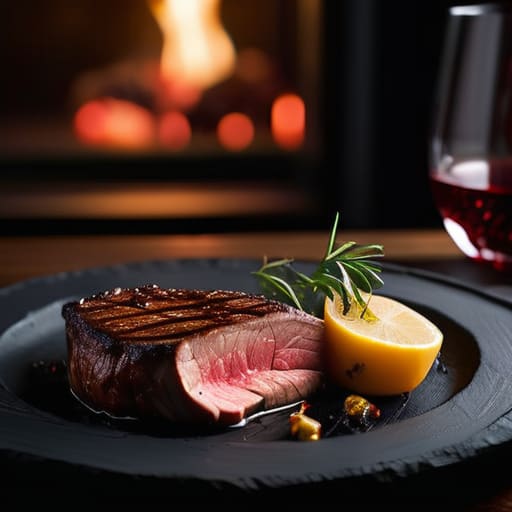
If you’ve ever sat there chewing on a piece of ribeye while sipping a heavy Cabernet, you’ve felt that magical moment where the wine suddenly feels “lighter” and the meat feels less heavy. That isn’t magic; it’s just basic chemistry. The tannin and fat interaction is the most reliable tool in your arsenal. Tannins are those astringent, mouth-drying compounds found in grape skins, and their primary job in a meal is to act like a degreaser for your palate. When you eat something rich or fatty, the tannins bind to the proteins in the meat and the lipids in your mouth, stripping away the coating of grease and leaving you ready for the next bite.
This is why most classic red wine and meat pairings aren’t just about matching flavors; they are about structural survival. If you try to pair a high-tannin Syrah with a delicate piece of poached fish, the wine will absolutely bully the plate, making the seafood taste metallic and thin. You have to respect the weight of what’s on the fork. It’s not about being fancy; it’s about ensuring the wine does the heavy lifting of cleaning your palate so you don’t end up feeling sluggish halfway through the second course.
Flavor Profile Balancing Without Breaking the Bank
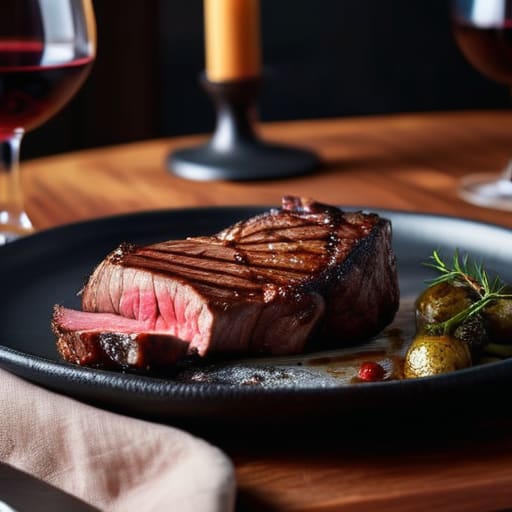
You don’t need a sommelier with a degree and a silk tie to get this right; you just need to understand that flavor profile balancing is often a game of economics. When I ran my dining room, I saw too many young owners trying to force expensive, high-scoring bottles onto plates that couldn’t support them. If you’re looking at red wine and meat pairings, don’t feel pressured to reach for a Grand Cru just because the steak is pricey. A sturdy, honest Malbec or a local Syrah often does the job better because it doesn’t demand the entire budget of the meal just to exist on the table.
The same goes for the lighter stuff. I always told my staff that white wine and seafood combinations shouldn’t be about matching the price of the fish to the vintage. If you’re eating something delicate like sea bass, a bright, acidic Sauvignon Blanc is your best friend—it’s cheap, it’s effective, and it cuts through the butter without making the meal feel like a financial transaction. It’s about complementary vs contrasting pairings that work with what you have, not what the label says you should afford.
Stop Trying to Match Labels and Start Matching Logic
- Stop chasing the “perfect” pairing and start looking for the bridge. If you’re eating something spicy, don’t reach for a heavy, oaky Cabernet that’s going to feel like a punch to the throat; reach for something with a bit of residual sugar or a bright acidity to act as a fire extinguisher. It’s about relief, not competition.
- Respect the sauce, not just the protein. I’ve seen people spend twenty minutes debating whether a sea bass needs a Chardonnay or a Sauvignon Blanc, completely ignoring that the fish is swimming in a heavy, cream-based lemon sauce. The sauce is the boss. Pair for the sauce, or you’ll find your wine and your food are living in two different zip codes.
- Don’t let the price tag bully your palate. Some of the most expensive bottles in a cellar are far too “loud” for a delicate meal, much like bringing a brass band to a poetry reading. If you’re having something subtle—a poached egg, a light white fish, a seasonal vegetable—a $15 bottle of crisp, clean white will often do a better job than a $90 vintage that’s going to drown the ingredients.
- Acid is your best friend and your cheapest tool. If a dish feels heavy, greasy, or overly salty, you need a wine with high acidity to “scrub” your tongue. Think of it like a palate cleanser between bites. If the wine is flabby and low in acid, the meal will start to feel like a chore halfway through the second course.
- Match the weight, not just the color. A heavy, slow-cooked lamb shank is going to feel lonely and thin next to a light Pinot Grigio, just as a delicate salad will feel insulted by a massive, brooding Malbec. You want the wine and the food to have a similar “heft” on the tongue so they can actually hold a conversation instead of one side doing all the shouting.
The Bottom Line on Pairing
Stop chasing the most expensive bottle on the list to impress your company; a $20 bottle that actually cuts through the fat of a ribeye will always beat a $150 vintage that leaves you feeling heavy and cloyed.
Remember that the goal isn’t a technical science experiment, it’s balance—if your food is working hard with heavy spices or oils, your wine needs enough acidity to act as a palate cleanser so you don’t finish the meal feeling like you’ve eaten a brick.
Don’t be afraid to deviate from the “rules” if the flavor works; a restaurant’s wine list is a tool for your enjoyment, not a textbook, and the best pairing is usually the one that makes you want to take another bite.
The Myth of the Perfect Match
Stop looking for a wine that dances with your food like it’s some choreographed ballet; look for the wine that does the heavy lifting. If you’re sitting down to a ribeye, you don’t need a delicate Pinot that’ll vanish the moment it hits the plate—you need a wine with enough backbone to stand up to the fat, otherwise, you aren’t drinking wine, you’re just drinking expensive water.
Rosalind Achterberg
Stop Overthinking the Glass
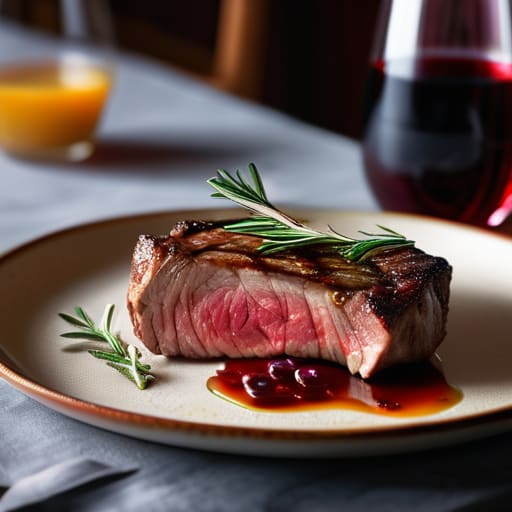
At the end of the day, pairing isn’t some mystical science reserved for people in white gloves; it’s just common sense applied to a plate. You’ve learned that tannins need fat to soften them, that acidity is your best friend when a dish feels heavy, and that you don’t need to spend half your mortgage on a bottle just to make a sauce sing. Remember that the goal isn’t to achieve a perfect, textbook equilibrium that leaves you feeling intellectually satisfied but hungry. The goal is to ensure the wine doesn’t fight the food. If the wine is shouting and the steak is whispering, you’ve missed the mark. Keep it simple: match the weight, respect the acid, and don’t let the label dictate your enjoyment.
If you find yourself sitting there, staring at a wine list and feeling that familiar knot of anxiety, just take a breath and remember who is actually paying for the meal. You are the one in charge of your evening. Whether you’re at a white-tablecloth establishment or a corner bistro where the floorboards creak, the best pairing is always the one that makes you want to take another bite. Food and wine are meant to be companions, not competitors. So, stop worrying about whether you’re “doing it right” and just start eating.
Frequently Asked Questions
If I’m eating at a place with a massive, overpriced wine list, how do I actually pick something decent without feeling like I'm being taken for a ride?
Look, a massive list is usually just a way to hide a mediocre cellar behind sheer volume. If the list is intimidating, stop looking at the top page. Find the mid-range, reliable producers—the ones that don’t rely on a flashy label to justify the markup. Ask the server: “What’s your most reliable bottle under [your budget]?” A good pro knows their stock and won’t judge you for wanting value. If they can’t answer, walk away.
Does it really matter if I follow these "rules" when I'm just eating a casual midweek meal, or is it all just pretension?
Look, if you’re eating a sandwich in a park, call it what it is. But even a midweek pasta dish deserves a bit of thought. These aren’t “rules” meant to make you feel small; they’re just shortcuts to not wasting your money. There’s nothing more expensive than paying for a meal and a bottle of wine only to find they’re fighting each other. If the wine makes the food taste better, you’ve won.
When a restaurant suggests a specific pairing, are they actually trying to help my palate, or are they just trying to move a bottle that’s sitting too long in the cellar?
It’s usually a bit of both, but let’s be honest: it’s rarely a conspiracy. If a server pushes a specific pairing, they’re likely trying to help you avoid a clashing meal, but they’re also managing inventory. A bottle that’s been sitting on the shelf for six months is dead weight on the balance sheet. Don’t be offended; they’re just trying to keep the cellar turning over while ensuring you don’t order something that makes the chef cry.
