 Written by
 I remember a Friday night in 2004, the kind where the printer won’t stop screaming and the air in my sixteen-seat dining room felt thick enough to slice with a bread knife. I saw my head chef, a brilliant man who could plate a duck breast in his sleep, staring at a stack of dirty pans with a look of utter, hollow defeat. Everyone talks about “wellness initiatives” and “team-building retreats” like they’re magic bullets, but when you’re in the weeds, those things are useless. If you want to know how to look after staff during service, you don’t need a laminated mission statement on the breakroom wall; you need to know that a glass of water, a cleared station, and a manager who actually sees the chaos are the only things that keep a person from breaking.
I’m not here to give you the polished, HR-approved version of management that sounds lovely in a boardroom but fails the moment the first ticket hits the rail. I’m going to tell you the unvarnished truth about what it actually takes to keep your team from burning out before the dessert course is even cleared. We’ll talk about the small, invisible movements that prevent a meltdown and why the most important part of your job happens between the orders, not during them.
Managing Kitchen Stress Before the Pass Breaks
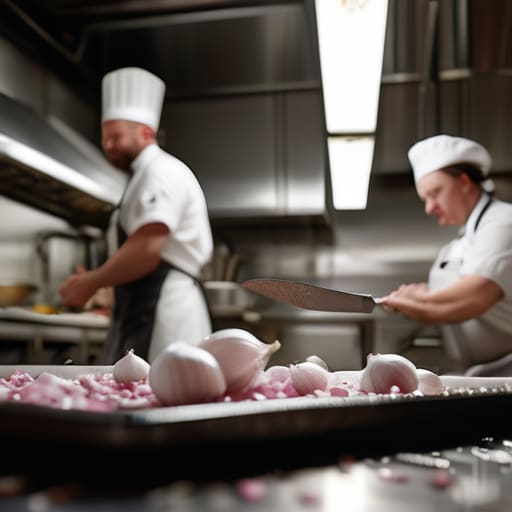
The kitchen is a pressure cooker by design, but there is a massive difference between a high-octane service and a team that is simply fraying at the edges. I’ve seen it a hundred times: the tickets are piling up, the printer is screaming, and suddenly the person on the larder station isn’t just moving fast—they’re moving wrong. That’s when you know you’ve lost them. Managing kitchen stress isn’t about a meditation app or a “wellness seminar”; it’s about the logistics of the prep list. If your station chef is scrambling to chop shallots mid-service because the morning prep was botched, you haven’t just failed at organization—you’ve invited a breakdown.
Effective shift management means recognizing that the heat isn’t just coming from the stoves; it’s coming from the chaos of poor planning. You have to protect the rhythm of the line. When I ran my room, I knew that preventing employee burnout started long before the first order hit the rail. It meant ensuring the handovers were tight and that no one was being asked to carry a load that was physically impossible for a single human being. If you don’t guard that rhythm, the pass doesn’t just slow down—it breaks.
Effective Shift Management the Art of the Unseen Rhythm
Effective shift management isn’t about watching the clock; it’s about watching the faces. In my sixteen-seat room, I learned that you can tell a service is going to derail twenty minutes before the first plate even hits the pass. You see it in the way the junior server starts gripping the tray a little too tight, or how the prep cook begins moving with a frantic, jagged energy instead of a steady flow. That’s when you step in—not to bark orders, but to adjust the tempo. It’s about spotting the bottleneck before it becomes a crisis and quietly reallocating a runner to help a struggling section.
True hospitality team morale isn’t built during the staff meeting on Monday; it’s built in the trenches between 7:00 PM and 9:00 PM. If you are constantly playing firefighter, you aren’t managing; you’re just reacting. Real effective shift management means anticipating the surge so your people aren’t left gasping for air. When you manage the rhythm of the room, you aren’t just serving food—you are practicing a form of employee burnout prevention that keeps your best talent from walking out the back door at the end of a Tuesday.
The Survival Kit: Five Ways to Keep the Room From Collapsing
- Watch the water glasses, not just the tickets. When a server is so buried in orders that they forget to refill a carafe, they aren’t being lazy—they’re drowning. Stepping in to do the “small” things like clearing a stray plate or topping up a drink isn’t just helping the guest; it’s giving your staff the three seconds of mental breathing room they need to stay sane.
- Protect the breaks like they’re gold. I’ve seen too many owners tell a tired prep cook to “just power through” the rush. That’s how you get a broken wrist or a burnt finger. A scheduled ten-minute sit-down with a piece of toast and a glass of water is a business investment, not a luxury. You’re paying for their focus, and you can’t buy focus from a person who’s running on empty.
- Kill the ego at the pass. When the kitchen is screaming and the dining room is lagging, the last thing your team needs is a lecture on why the timing is off. Save the post-mortem for the quiet Tuesday morning when the lights are up and the coffee is on. During service, your job is to be the shock absorber, not the lightning rod.
- Manage the “clutter” of the floor. A messy station is a messy mind. If your runners are tripping over dirty linen or your servers are hunting for clean cutlery in a chaotic storeroom, the service is already lost. Keeping the physical workspace tight and organized is the most underrated way to lower the collective blood pressure of the entire team.
- Be the one who notices the quiet struggle. The loudest person in the room is easy to manage, but it’s the quiet one—the one who’s suddenly gone silent and stopped making eye contact—that you need to worry about. If you see a staff member hitting a wall, pull them aside for sixty seconds. Acknowledge it. A little bit of “I see you’re struggling, hang in there” goes further than any formal HR policy ever could.
The Real Cost of the Rush
Stop looking for “wellness initiatives” and start looking at your rotas; if you’re running a skeleton crew to save on the labor percentage, you aren’t being efficient, you’re just setting your team up to burn out by Tuesday.
The most important thing a manager can do during a heavy service isn’t barking orders, it’s spotting the moment a server’s eyes go glazed and stepping in to take a heavy tray or clear a table so they can find their footing again.
Learn the difference between a productive mistake and a fatigue mistake; the former is a learning curve, but the latter is a sign that you’ve pushed your people past the point of being able to care, and that’s when the service—and the business—starts to bleed.
The Myth of the Heroic Shift
Everyone loves a story about a team ‘grinding it out’ through a disaster, but in my experience, if your staff is playing the hero, you’ve already lost the battle. A successful service isn’t about seeing who can suffer the longest without breaking; it’s about the quiet, boring competence of a manager who spots the sweat on a commis’s brow or the slight tremor in a server’s hand and steps in to take the weight before the mistake actually happens.
Rosalind Achterberg
The Bottom Line After the Lights Go Down
At the end of the day, looking after your staff isn’t about some lofty, abstract concept of “employee engagement” or a fancy handbook sitting in a dusty office. It’s about the small, granular things: making sure the dishwasher actually gets a hot meal instead of a cold sandwich in the walk-in, ensuring the pass doesn’t become a shouting match, and recognizing that the rhythm of the room is dictated by the mental state of the people running it. If you ignore the friction in the kitchen or the burnout in the dining room, you aren’t just being a “tough boss”—you are actively eroding your own profit margins by inviting turnover and mistakes that no amount of marketing can fix.
Running a restaurant is an act of controlled chaos, and you cannot control the chaos if you are constantly fighting your own team. When you finally lock the doors and the adrenaline begins to ebb, remember that your greatest asset isn’t your wine list or your decor; it is the group of people who showed up to fight the battle alongside you. Build a culture where they feel seen, even in the middle of a Saturday night rush, and they will carry your business through the lean years. Because in this trade, people are the only thing that truly keeps the lights on.
Frequently Asked Questions
When the kitchen is short-staffed and the covers are climbing, how do you decide which fires to put out first and which ones to just let burn?
You put out the fires that threaten the integrity of the plate or the safety of the person. If a sauce is splitting or a chef is about to snap, you step in. But if a side of mash is five minutes late or a server is sweating through their shirt, you let it burn. You triage. You protect the food and the people; the minor hiccups are just the cost of doing business.
How do you maintain a professional distance from your team without losing the trust that keeps them working through a twelve-hour shift?
You can’t be their best friend; you’ll end up being their scapegoat when the meat is overcooked or the wine is corked. But you can’t be a statue, either. The trick is to be the person who stays calm when they’re losing it. I found that trust isn’t built over drinks after a shift—it’s built when you notice they’re drowning and you step in to clear the pass without making a scene about it.
At what point does "pushing through" stop being a badge of honor and start becoming a liability for my bottom line?
It stops being a badge of honor the second your error rate climbs. When you’re “pushing through” and suddenly the steak comes out medium-well instead of medium, or your best server forgets to mention the daily special, you aren’t being tough—you’re being expensive. Burnout isn’t just a feeling; it’s a line item. It shows up in wasted prep, broken glassware, and staff who quit mid-shift. If the grit is costing you more in mistakes than it’s gaining you in labor, you’ve already lost.
