
 Written by
 I still remember the sudden, hollow thud of my heart when the doorbell rang at 11:00 AM on a Tuesday—not a regular, but a man in a cheap suit with a clipboard. In those twenty-six years running my sixteen-seat dining room, I learned that there is a massive difference between a kitchen that looks clean for a critic and one that actually is safe. People tend to think that understanding how food hygiene inspections work is all about having shiny stainless steel and a spotless front-of-house, but they couldn’t be more wrong. An inspector doesn’t care about your hand-painted menus or your curated wine list; they care about the temperature of your walk-in and whether your prep cook is actually following the labeling protocol when the lunch rush hits.
I’m not here to give you the sanitized, textbook version of the law that you’ll find on some government website. Instead, I’m going to tell you what it actually looks like when the clipboard comes out. I’ll pull back the curtain on the specific, unglamorous details that determine whether you get a gold star or a formal warning, focusing on the real-world constraints of staffing and timing that make compliance so difficult. This is about the hard truths of keeping a kitchen legal without losing your mind—or your profit margins.
What Happens During an Environmental Health Officer Visit
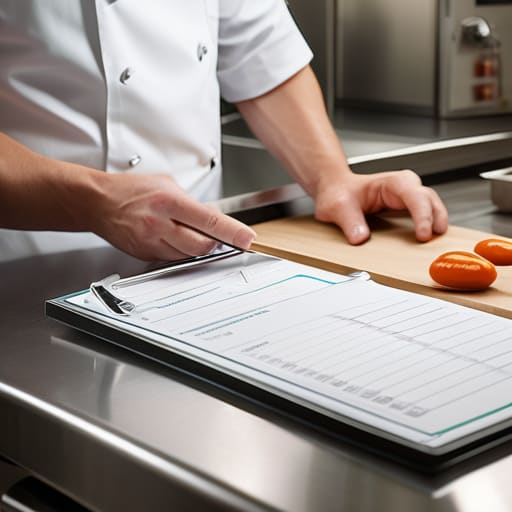
When an Environmental Health Officer (EHO) walks through your door, they aren’t there to admire your new hand-painted menu or the ambient lighting. They are there to look at the things you’ve stopped seeing because you’ve become too used to them. They’ll start with the paperwork—your food safety management systems—because if your documentation is a mess, they’ll assume your kitchen is too. They want to see the logs, the temperature checks, and the training records. If you can’t prove you’ve been monitoring your fridge temperatures for the last month, they aren’t going to take your word for it that “everything’s fine.”
Then comes the physical walk-through, which is where the real nerves kick in. They’ll be checking the seals on your walk-in, the condition of your floor drains, and whether your prep cook is actually following the correct hand-washing protocol or just rinsing their hands under a lukewarm tap. It’s a systematic sweep designed to find the gap between what you say you do and what is actually happening on the line. They aren’t looking for perfection, but they are looking for control. If they find a slip-up, they’ll note it down, and you’ll be left staring at a list of required corrective actions while you wonder how a single dirty vent could jeopardize your entire rating.
Beyond the Checklist Real Compliance With Food Safety Standards
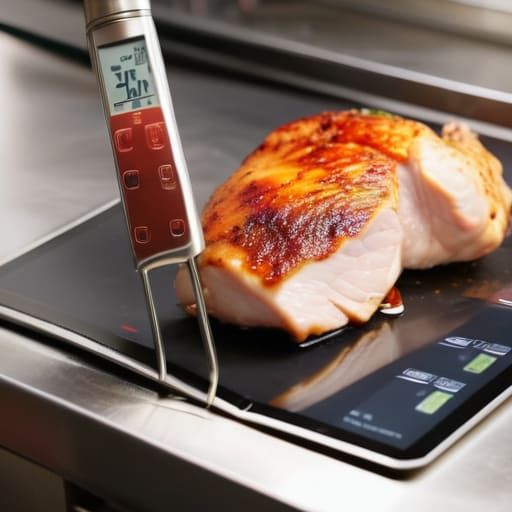
You can have a spotless floor and a shiny prep table, but if your paperwork is a shambles, you’re failing. I’ve seen kitchens that looked like operating theaters but couldn’t tell you the last time they checked the internal temperature of a chicken thigh. Real compliance with food safety standards isn’t about passing a single snapshot in time; it’s about the invisible, boring work that happens when no one is watching. It’s about having a robust food safety management system that actually lives in the kitchen, rather than a dusty binder sitting on a shelf in the office.
When an inspector leaves, the real work begins. It’s easy to tidy up for an environmental health officer visit, but the true test is how you handle the corrective actions after inspection. If they find a gap in your cooling logs, you don’t just scribble in a number to make it look right—you retrain the person responsible. A high score on the food hygiene rating scheme shouldn’t be a trophy you display to impress guests; it should be the natural byproduct of a team that understands that safety is a habit, not a performance.
Five Things an Inspector Sees That You Don't
- It isn’t about the scrubbed floors; it’s about the gaps. An officer will look behind the heavy equipment and under the prep tables because that’s where the real story lives. If you’re only cleaning what the customers can see, you aren’t running a kitchen, you’re running a stage set, and they will spot the difference in seconds.
- Your paperwork needs to be more than just a stack of folders in a drawer. If I had to hunt for a temperature log or a cleaning schedule during a rush, I knew I was in trouble. An inspector wants to see a rhythm—evidence that you are checking the fridge temperatures at 10:00 AM every single day, not just because you heard a knock at the door.
- Watch your staff’s hands, not just their aprons. You can have the most expensive uniform in the city, but if your dishwasher is touching a clean plate right after handling a bin lid, your hygiene rating is already dead in the water. Training isn’t a certificate on the wall; it’s the muscle memory of your team when they think no one is watching.
- Cross-contamination is a silent killer for your reputation. I’ve seen kitchens with beautiful marble counters that failed because the prep cook used the same board for raw chicken and shallots. It’s the small, lazy shortcuts—the ones that save ten seconds of washing up—that end up costing you a business.
- Respect the walk-in, because that’s where the chaos starts. An inspector will check your labeling and your rotation with the same scrutiny they use on your cooked food. If I saw a container of sauce with no date on it, I knew the entire system was breaking down. If you can’t manage your stock, you can’t manage your safety.
The Bottom Line on Staying Clean
An inspection isn’t a performance for the guest; it’s a stress test of your systems that proves whether you actually manage your kitchen or if you’re just getting lucky with the weather.
Don’t mistake a clean-looking floor for a safe kitchen; an inspector is looking for the invisible rot, like a poorly logged fridge temperature or a cross-contamination risk you’ve grown too comfortable with.
Compliance is a constant overhead of time and discipline, not a box you tick once a year—if you only care about hygiene when the EHO is walking through the door, you’ve already lost the battle.
The Truth Behind the Rating
An inspector isn’t there to admire your plating or your concept; they are there to see if your fridge is a graveyard of expired prep and if your team actually understands why a cross-contamination error is a disaster waiting to happen. You can have a Michelin star, but if your temperature logs are a work of fiction, you’re just one bad afternoon away from a shuttered door.
Rosalind Achterberg
The Real Scorecard
At the end of the day, an inspection isn’t a performance for the customer; it’s a diagnostic of your operational discipline. You can have the most beautiful plating in the city and a dining room that smells like jasmine, but if your temperature logs are a mess and your dry storage is a graveyard for expired tins, none of that matters. An inspector is looking for the invisible cracks—the way your staff handles a sudden rush, the cleanliness of the space under the heavy equipment, and whether your safety culture is built on genuine habit or just a frantic, last-minute scrub because you saw the van pull up. It’s about the consistency of the mundane, the small, unglamorous tasks that keep a kitchen from becoming a liability.
If you’re running a business, don’t view these visits as an interrogation to be survived, but as a reality check that keeps you in business. A high rating isn’t just a sticker on the window to appease the tourists; it is a testament to the respect you show your staff, your suppliers, and the people sitting at your tables. When you get it right, you aren’t just following a checklist—you are protecting the integrity of everything you’ve worked to build. In this trade, your reputation is your most expensive asset, so treat your hygiene standards like the foundation of your profit, because once that foundation cracks, the rest of the house won’t stay standing for long.
Frequently Asked Questions
If I get a low rating, can I fix it immediately, or am I stuck with that number on my door for months?
You aren’t stuck, but don’t expect a magic wand. If you get a low rating, the inspector will give you a list of what’s broken. You fix the issues—clean the grease traps, retrain the prep cook, fix the fridge—and then you call them back. They’ll reinspect, and if you’ve actually done the work, they’ll upgrade you. It’s not a punishment; it’s a roadmap. Just don’t try to hide the mess; they’ll smell it.
What actually happens if the inspector finds something serious—do they shut the doors right then and there?
They don’t usually pull the plug mid-service unless they find something truly stomach-churning, like a massive rodent infestation or a complete lack of running water. Most of the time, it’s a “Notice of Improvement.” They’ll give you a deadline to fix the mess, but they’ll be breathing down your neck until it’s done. It’s a heavy, sinking feeling in your gut, though. It’s not just a fine; it’s the fear that your reputation is bleeding out.
Is there a way to prepare the kitchen for a visit without it looking like I'm just putting on a performance for them?
If you’re scrubbing the floor only when you hear the inspector’s van pull up, you’ve already lost. An EHO can smell a “performance” a mile away—usually it smells like bleach and panic. Instead of a frantic deep-clean, focus on the rhythm of the service. If your labeling is consistent, your fridge temperatures are logged without being prompted, and your prep cooks aren’t playing fast and loose with cross-contamination, you aren’t “preparing.” You’re just running a professional kitchen.
