 Written by
 I remember sitting in my sixteen-cover dining room on a rainy Tuesday, watching a regular stare at a bill with that specific, pinched expression of someone who felt cheated. They weren’t upset about the price of the sea bass; they were upset because they’d spent eighty pounds and left feeling like they’d just paid for the heavy linen napkins and the dim lighting. Most people think they know how to judge value in a restaurant by looking at the bottom line, but they’re looking at the wrong side of the ledger. They mistake a massive, gilded menu for luxury, when in reality, a menu that tries to do everything is usually just a desperate attempt to hide inefficiency behind a wall of choice.
I’m not here to tell you which Michelin stars to chase or which velvet booths are the most comfortable. I want to show you the math that actually matters—the stuff they don’t teach you in catering college. I’m going to pull back the curtain on what you’re actually paying for, from the cost of a quiet waiter to the real reason a kitchen limits its daily specials. By the time we’re done, you’ll know how to spot true value before the check even hits the table.
Decoding Restaurant Pricing Psychology and the Menus Hidden Math
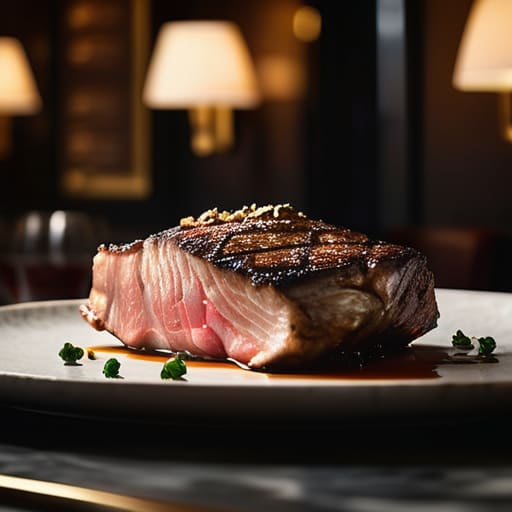
When you look at a menu, don’t just look at the numbers; look at the architecture. Most people fall for the trap of comparing a steak to a pasta dish, but that’s amateur math. What you’re actually looking at is restaurant pricing psychology in action. If a menu features a wildly expensive centerpiece—say, a dry-aged ribeye that costs more than your first car—it isn’t always there because the owner is greedy. Often, it’s a “decoy.” It exists to make the forty-pound sea bass look like a reasonable middle ground. They aren’t just selling food; they are anchoring your expectations so you feel like you’ve made a sensible choice.
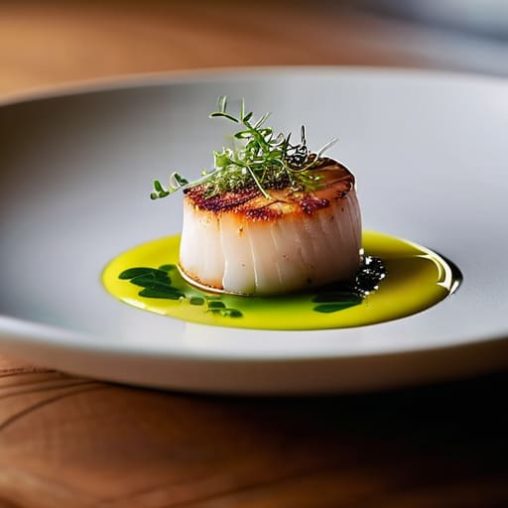
You also have to weigh the perceived vs actual value of what’s landing on your plate. I used to watch young owners try to justify high prices by sourcing “artisanal” micro-greens that cost us a fortune but disappeared in a single bite. Real value isn’t found in the garnish; it’s in the ingredient quality assessment of the core components. If you’re paying thirty pounds for a dish, you aren’t paying for the parsley; you’re paying for the three days of labor it took to prep the sauce and the fact that the chef didn’t skimp on the butter.
Ingredient Quality Assessment Paying for Soil Not Just Salt
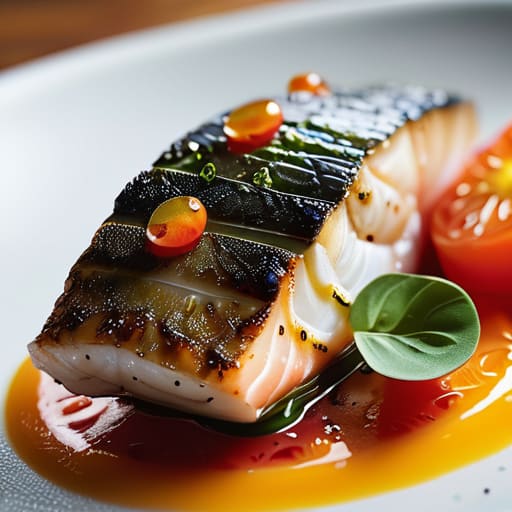
When people talk about “value,” they usually start with the bill, but they rarely look at the plate with any real scrutiny. They see a piece of sea bass and think they’re paying for protein, when in reality, they are paying for the logistics of getting that fish from a specific quay to a specific kitchen without it smelling like a pier. A proper ingredient quality assessment isn’t about counting calories; it’s about recognizing the difference between a tomato that was grown in a heated greenhouse in January and one that actually tasted the sun. One is a commodity used to fill space; the other is a reason to charge an extra five pounds.
You have to understand that perceived vs actual value often comes down to the stuff you can’t see. You aren’t just paying for the salt on the rim; you’re paying for the chef’s decision to source heirloom carrots from a farm three miles away instead of the massive, flavorless crates that arrive at every other kitchen in the city. When you see a high price tag on a simple dish, don’t immediately recoil. Ask yourself if the ingredient is doing the heavy lifting. If the produce is exceptional, the chef doesn’t need to hide behind heavy sauces or expensive garnishes to justify the cost.
The Real Metrics: What to Look for When the Check Arrives
- Watch the floor, not the plate. If you see a server running around like they’re in a marathon, or worse, standing in a huddle by the pass, you aren’t paying for service—you’re paying for the inefficiency of a poorly managed rota. True value is found in the quiet rhythm of a room where your water glass is refilled before you even realize it’s low, and the staff looks like they have enough breathing room to actually care about your order.
- The “Special” Trap. Don’t be dazzled by a rotating list of daily specials if they feel disconnected from the kitchen’s core identity. Often, a heavy reliance on specials is just a way to move stock that’s approaching its expiration date or to mask a lack of confidence in the permanent menu. A restaurant that knows exactly what it is—and does it consistently—is a much better investment of your money than one constantly chasing the latest seasonal trend.
- Assess the “Invisible” Costs. When you see a hefty corkage fee or a mandatory service charge, don’t just grumble about the math; look at what it’s protecting. A reasonable corkage fee allows a restaurant to maintain a curated cellar without the crushing overhead of stock that might sit for years, and a service charge usually means they aren’t squeezing their staff on tips. If the policy feels punitive rather than protective of the business, that’s your cue that the management is playing short games.
- Beware the Over-Decorated Dining Room. If the velvet booths are plush and the lighting is designed specifically for Instagram, someone is paying for that aesthetic—and it’s you. I’ve seen many a beautiful room go bust because they spent their entire capital on a designer light fixture instead of a reliable oven or a decent sous-chef. If the atmosphere feels like a stage set, the food is likely an afterthought to the decor.
- The Timing Test. Value is inextricably linked to pace. If you’re sitting there for forty minutes between an appetizer and a main, you aren’t just losing your appetite; you’re witnessing a breakdown in the kitchen’s “pass” management. A restaurant that respects your time is a restaurant that understands its flow, its staffing levels, and the basic respect required to keep a customer coming back. Speed isn’t about rushing you out; it’s about the precision of the machine.
The Real Cost of a Great Meal
Stop looking at the bottom line of your bill and start looking at the menu’s breadth; a tight, focused list isn’t a lack of choice, it’s a sign of controlled waste and smarter ingredient sourcing.
True value is found in the invisible labor—the waiter who anticipates your need for more water without breaking your conversation, and the kitchen that manages its prep so you aren’t waiting forty minutes for a piece of fish.
Understand that you aren’t just paying for the plate in front of you, but for the overhead of the lights, the rent, and the staff who keep the doors open; if the price feels high, ask yourself if the service and the soul of the room justify the math.
The True Cost of a Seat
Don’t look at the price of the steak to decide if you’re being ripped off; look at the person pouring your water. If they are calm, informed, and invisible when you don’t need them, you’re paying for a professional operation. If they’re frantic and the room feels hollow, you’re just paying for the overhead of a business that’s already lost its way.
Rosalind Achterberg
The Bottom Line
At the end of the day, judging value isn’t about finding the cheapest plate of pasta in the city; it’s about recognizing when the math actually adds up. It is about seeing past the clever menu descriptions to understand that you are paying for the integrity of the supply chain, the skill of a kitchen staff that isn’t being run into the ground, and a dining room that respects your time. When you see a tight menu, a sensible wine list, and a waiter who moves with quiet confidence, you aren’t just paying for dinner—you are paying for a sustainable business model that intends to be there next Tuesday.
I spent nearly three decades watching people walk in and out of my sixteen seats, and I learned that the most rewarding meals aren’t always the most expensive ones. The real magic happens when the price on the page aligns perfectly with the effort on the plate. Don’t be afraid to spend your money, but spend it with your eyes open. Support the places that do the hard, invisible work of getting it right, because that is where the soul of hospitality lives. When you find a restaurant that respects both its ingredients and its guests, you’ve found something much more valuable than a bargain; you’ve found a place worth keeping alive.
Frequently Asked Questions
If the ingredients are high quality but the service is slow and clunky, am I actually getting my money's worth?
No, you aren’t. You’re paying for the product, but you’re being robbed of the experience. A beautiful piece of turbot loses its luster when it sits under a heat lamp because the runner couldn’t find the table, or when you’re left staring at an empty water glass for twenty minutes. High-quality ingredients are the baseline, not a hall pass for incompetence. If the service is clunky, the restaurant is failing its most basic job: hospitality.
How can I tell if a restaurant is charging me a premium for the "experience" or if that extra cost is actually going toward better staff and better wine?
Look at the floor, not the decor. If the room is all velvet banquettes and dim lighting but the staff is hovering nervously or, worse, ignoring you, you’re paying for the upholstery. A restaurant investing in people has a rhythm—a waiter who anticipates your need for more water without making a scene. If the service is seamless and the wine list has depth beyond the usual suspects, that premium is going into the payroll and the cellar.
Is a small, limited menu a sign of culinary confidence, or is it just a way for the owner to hide a lack of resources?
It’s usually both, but for different reasons. A tight menu is often a calculated defense against waste; if I only offered six mains, I knew exactly how many kilos of sea bass to order, and I wasn’t throwing money in the bin at midnight. But don’t mistake a small menu for a lack of ambition. The real test is the execution. If the menu is small and the food is mediocre, they’re hiding. If it’s small and flawless, they’re in control.
