 Written by
 I once watched a young chef, barely twenty and brimming with enough ego to fill a banquet hall, try to turn the family meal into a culinary showcase by using prime cuts of ribeye and expensive truffles. He thought he was being generous, but all he was doing was bleeding his food cost dry before the first ticket even hit the rail. If you think how to run a staff meal is about showing off your technical skills or using your highest-margin ingredients, you aren’t running a business; you’re running a charity that will eventually go bankrupt. A proper staff meal isn’t a tasting menu—it’s fuel, and it needs to be managed with the same cold-eyed precision as your guest menu.
I’m not here to give you some sanitized, corporate manual on kitchen efficiency. I’m going to tell you how to feed your team so they don’t collapse by 9:00 PM, without gutting your margins in the process. We’ll talk about the real math of leftovers, the psychological importance of a shared table, and why a bowl of decent pasta is worth more to your retention than a fancy steak ever will be.
Budgeting for Restaurant Staff Food Without Losing Your Margin
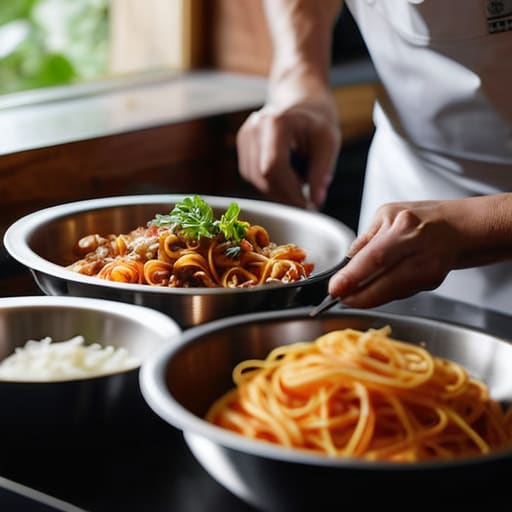
When you sit down with your P&L at the end of the month, the staff meal often looks like a leak you can’t quite plug. You see the food cost rising and you start to wonder if you’re feeding a small army. But here is the truth: budgeting for restaurant staff food isn’t about finding the cheapest possible pasta; it’s about intentionality. If you treat it as an afterthought—tossing scraps into a pan or letting the line cooks raid the walk-in for prime ribeye—you aren’t saving money, you’re hemorrhaging it through untracked waste.
The trick is to view the meal as a controlled cost rather than a variable expense. I always taught my team that the staff meal should be a subset of our daily prep, not a separate shopping list. By managing food waste in kitchens through a structured family meal, you turn those beautiful, slightly bruised vegetables or the trimmings from a roast into a nutritious, high-quality meal that actually satisfies. When you plan it around your existing inventory, it stops being a drain on your margin and starts being a calculated investment in the people who keep your doors open.
Managing Food Waste in Kitchens to Protect Your Bottom Line
You cannot treat the staff meal as a dumping ground for everything that didn’t make the cut for the evening service. I’ve seen too many young chefs think they’re being “sustainable” by throwing yesterday’s slightly wilted greens or the ends of a roast into a communal pot, only to find they’ve created a meal that tastes like a mistake. Managing food waste in kitchens isn’t just about saving a few cents on a head of cauliflower; it’s about the discipline of the prep list. If you are consistently using trim and surplus, you aren’t just saving money—you are teaching your team that nothing is wasted and every ingredient has a purpose.
But there is a fine line between being resourceful and being cheap. If the crew realizes they are being fed “scraps” while the customers get prime cuts, you’ll lose them faster than a bad critic can write a review. High family meal service standards mean the food should be honest, hot, and intentional. When you plan the meal around what you actually need to use up, rather than just grabbing whatever is closest to the bin, you protect your margins without insulting the people who are working their souls out for you.
Five Ways to Feed Your People Without Feeding the Bin
- Stop treating the staff meal like an afterthought or a scrap of leftover protein. If you’re just handing out the bruised bits of veg and the trimmings from the service prep, you aren’t feeding them; you’re just managing their disappointment. A real staff meal—something intentional, even if it’s just a massive pot of decent pasta—is what keeps the morale from curdling when the printer starts screaming at 8:00 PM.
- Use your “ugly” produce as your secret weapon. The carrot with the weird bend or the tomato that looks a bit tired shouldn’t be tossed; they should be the base of your staff family meal. It teaches your junior cooks that value isn’t something you find in a perfect crate, but something you create with a knife and a bit of seasoning.
- Schedule the meal as a hard stop, not a suggestion. I’ve seen too many kitchens where the commis is trying to shove a piece of bread in their mouth while standing over a bin because the pass is busy. If you don’t build the meal into the rota as a non-negotiable period of rest, you’ll find your staff working on empty stomachs and making the kind of sloppy, expensive mistakes that kill your margins.
- Rotation is your best friend for cost control. Don’t let the kitchen staff eat the same three things every single day. It’s boring, and bored staff are disengaged staff. Keep a simple, rotating cycle of one heavy starch, one protein, and one seasonal vegetable. It keeps the food cost predictable for your books and keeps the crew from feeling like they’re in a culinary prison.
- Let the cooks take ownership of the menu. Once a week, let one of your line cooks decide what the family meal is, provided they stay within the budget you’ve set. It’s a low-stakes way to let them practice creativity and portion control, and frankly, it’s much cheaper to let them cook a clever stew than it is to replace a talented chef who feels like their palate isn’t being respected.
The Bottom Line on Feeding Your Team
A staff meal isn’t a luxury or a perk; it is a functional tool for consistency. If you feed them well and on time, they stay focused; if you leave them to scavenge or eat cold leftovers, you’ll pay for it in mistakes and high turnover.
Stop treating the staff menu like a secondary thought. Use it as your training ground for new ingredients and your primary weapon against waste by turning yesterday’s prep into today’s family meal.
Watch the clock as closely as you watch the food cost. A meal that runs late or feels rushed breeds resentment, and a hungry, resentful crew is the fastest way to kill the atmosphere of your dining room.
## The Real Cost of a Cold Sandwich
If you think you’re saving pennies by letting your line cooks scavenge for scraps or eat a dry sandwich in the alley, you aren’t being frugal—you’re being short-sighted. A proper, warm staff meal is the only time your team actually sits down to breathe, and if you don’t feed them like human beings, don’t be surprised when they start treating your kitchen like a temporary stop on the way to somewhere better.
Rosalind Achterberg
The Bottom Line on the Family Table
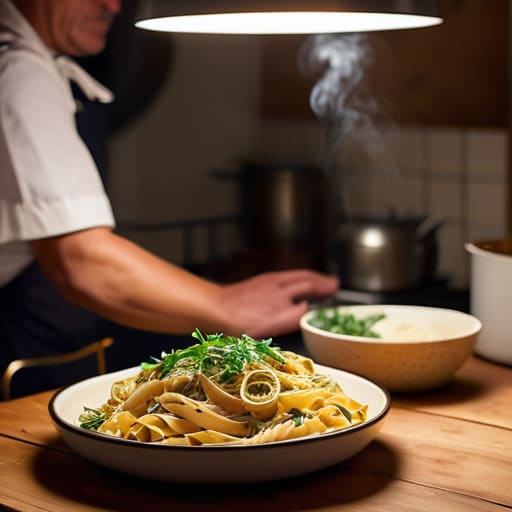
At the end of the day, running a staff meal isn’t about being a saint; it’s about being a smart operator. You’ve looked at the numbers, you’ve figured out how to use the trimmings from the prep list, and you’ve realized that a well-managed family meal is actually a defensive strategy against the high cost of turnover. When you control the waste, respect the budget, and keep the menu simple, you aren’t just throwing money down the drain—you are investing in the very people who keep your doors open. If you treat the crew’s meal like an afterthought, you will pay for it in resentment and empty chairs long before you see the savings on your P&L statement.
I spent twenty-six years watching kitchens thrive and kitchens crumble, and the difference was almost always found in the atmosphere during that one hour when the swinging doors stayed shut. A restaurant can survive a bad critic or a slow Tuesday, but it cannot survive a crew that feels unvalued. When you sit down with your team—even if it’s just for twenty minutes over a bowl of something decent—you are building the social glue that holds the service together when the printer starts screaming and the tickets pile up. Don’t just feed them to keep them quiet; feed them to remind them that they are part of something worth working for.
Frequently Asked Questions
How do I stop my kitchen team from "grazing" on the expensive ingredients meant for the service menu?
Look, I’ve been there. You see a tray of hand-dived scallops disappear during prep, and suddenly your food cost is screaming. The fix isn’t more locks; it’s better respect. If you treat your staff meal like scraps, they’ll treat your larder like a buffet. Set a specific, honest budget for their meal. When they know they’re being fed well with intentional ingredients, the urge to pilfer the high-margin stuff usually vanishes.
Is it better to have a set, communal meal every day, or should I let the staff choose from the prep list to keep morale up?
Go with the communal meal. If you let everyone pick from the prep list, you’ll find yourself staring at a pile of expensive, half-used proteins and a mountain of waste by Friday. A set meal is a controlled cost; it’s predictable, and it’s efficient. More importantly, it’s the only time the whole team actually sits down together. That shared table is where the real culture is built, not in a chaotic scramble for leftovers.
At what point does the cost of feeding the crew start to actually hurt my ability to pay a decent wage?
It starts hurting the moment you treat staff food as a “perk” rather than a fixed operating cost. If your food cost percentage is climbing because you’re buying premium proteins for the crew instead of calculated, nutritious staples, you’re stealing from your payroll. You’ll know you’ve crossed the line when you’re staring at a spreadsheet, trying to decide between a slightly better wage or a slightly better pasta for the line. Don’t let the kitchen’s appetite cannibalize the team’s livelihood.
