 Written by
 I once sat in a velvet booth at a place that charged forty pounds for a glass of something that smelled more like a damp basement than a vineyard, watching a man spend ten minutes swirling his glass like he was trying to conjure a spirit. He was performing for the room, terrified that if he didn’t follow the “correct” ritual, the sommelier would see right through him. Let’s get one thing straight: most of the performative nonsense you see regarding how to taste wine at the table is just expensive theater designed to make you feel small. You don’t need a degree in oenology to know if a wine is actually good or if it’s just sitting there costing you a week’s wages.
I’m not here to teach you how to act like a critic; I’m here to tell you how to actually drink. I spent twenty-six years managing the floor, and I can promise you that the staff cares far more about whether you’re enjoying your evening than whether you’re holding your stem the “right” way. We are going to strip away the pretension and look at the practical reality of the pour—from spotting a corked bottle without making a scene, to knowing exactly when to send a glass back.
The Professionals Glance Wine Service Protocols and Etiquette
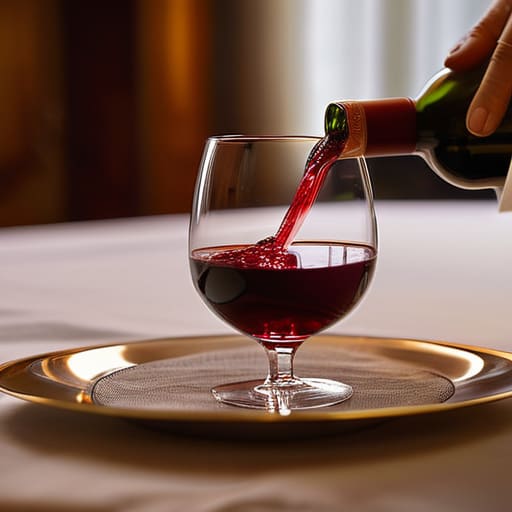
When the sommelier approaches, don’t treat it like a courtroom drama. In a proper setting, fine dining wine etiquette isn’t about performing for the room; it’s about a quiet, rhythmic exchange between the staff and the guest. They will present the label first to ensure they haven’t brought the wrong bottle to your table, and once you’ve given the nod, the ritual begins. I always tell my old servers: don’t hover like a vulture. Pour a small amount for the host, and then wait. This isn’t a test of your social standing, it’s simply the standard wine service protocols designed to ensure the bottle is sound before the whole table commits to the pour.
Once you have your glass, don’t feel rushed. Use a gentle swirling and sniffing technique—not to show off, but to actually let the wine breathe. You’re looking for the aromatics, sure, but you’re also checking for flaws. If it smells like wet cardboard or damp basement, you’ve likely encountered a faulty cork. Knowing how to identify corked wine early saves everyone the awkwardness of a half-finished bottle and a disappointed guest. Just catch the waiter’s eye with a polite, neutral expression; they’ve seen it a thousand times, and they’d much rather swap the bottle now than deal with the fallout later.
Swirling and Sniffing Technique Without Making a Scene
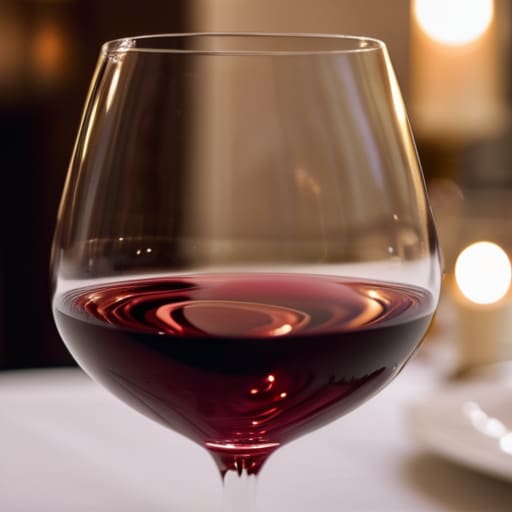
Now, let’s talk about the actual mechanics. I’ve seen people treat a glass of Pinot Noir like they’re performing a chemistry experiment in a laboratory, and frankly, it’s exhausting for everyone else in the room. If you want to master the swirling and sniffing technique without looking like you’re trying too hard, keep it contained. You don’t need to lift the glass high into the air or rotate it with the vigor of a cocktail shaker. A gentle, rhythmic movement of the wrist—keeping the base of the glass on the tablecloth if you’re feeling particularly cautious—is all it takes to release those aromas.
The goal isn’t performance; it’s information. You aren’t swirling to show off your technique; you’re doing it to see if the wine is actually behaving. This is your first real test in how to identify corked wine or simply a bottle that’s gone a bit tired in the cellar. When you bring the glass to your nose, don’t take a massive, dramatic inhale. Just a soft, steady sniff. If it smells like wet cardboard or a damp basement, don’t make a grand announcement. Just catch the waiter’s eye and let them handle the replacement.
Five Rules for the Table (That Won't Make the Staff Wince)
- Don’t be afraid to speak up about a flaw. If the wine smells like damp cardboard or a wet dog, it’s corked. You aren’t being a nuisance by sending it back; you’re helping the waiter catch a mistake before it ruins a whole table’s night. Just be calm about it—no need for a performance.
- Keep your glass on the table when you’re checking it. You don’t need to lift it to your nose like you’re performing a ritual in a chemistry lab. A gentle tilt and a short, controlled sniff is all it takes. If you’re constantly hoisting the glass, you’re just drawing attention to yourself, and in a small dining room, that’s the last thing you want.
- Watch the pour, not just the label. When the waiter is pouring, keep your eyes on the glass to ensure the level is right and the flow is steady. It’s not about being picky; it’s about being present. A professional knows you’re watching, and they’ll appreciate that you’re actually paying attention to the service.
- Remember that the “correct” temperature is a moving target. If your white is coming out of the fridge like an ice cube, or your red feels like it’s been sitting under a heat lamp, it’s okay to ask for a quick adjustment. A good cellar manager won’t be offended; they’ll be glad you noticed before the bottle became undrinkable.
- Master the art of the quiet nod. If the wine is exceptional, a simple nod to the server or a brief, “This is lovely, thank you,” goes a long way. They spend all night worrying if they’ve missed a beat; knowing they got the bottle right is the only tip they actually want.
The Bottom Line on the Pour
Don’t overthink the ritual; the point of the taste is to ensure the wine isn’t flawed, not to perform a ceremony for the room.
If the wine is corked, speak up quietly and immediately—it’s a business cost we’d rather fix at the table than deal with a bitter guest and a wasted bottle later.
Respect the service flow by letting the staff do the heavy lifting; you aren’t there to manage the bottle, you’re there to enjoy the pairing.
The Real Reason We Pour the Taste
“When a waiter offers you a small pour to taste, they aren’t performing a ritual for your amusement; they are giving you a chance to catch a flaw before it becomes a tragedy for your wallet. Don’t overthink the chemistry of it—just check that it isn’t corked, make sure it’s at a temperature that doesn’t offend, and if it’s sound, give them the nod so the kitchen can keep moving.”
Rosalind Achterberg
The Last Sip
At the end of the day, tasting wine isn’t about performing some high-wire act of sophistication for the benefit of the room. It’s about the mechanics of the process: watching for the sediment, checking the clarity, and giving the liquid a moment to breathe so you can actually understand what you’re paying for. Whether you’re subtly swirling the glass or quietly signaling a waiter because the cork has failed, remember that you are part of a delicate ecosystem. The goal isn’t to show off your knowledge, but to ensure that the bottle on the table is doing exactly what it promised when the sommelier poured it. If it’s flawed, speak up—not to be difficult, but because a bad bottle is a waste of everyone’s time and money.
I spent nearly three decades watching people treat wine service like a courtroom drama, but the best dinners I ever hosted were the ones where the wine simply sat there, doing its job in the background. Don’t let the etiquette weigh you down or make you feel like an intruder in a fine dining room. The wine is there to celebrate the food, the company, and the occasion. Once you master the basics, you can stop worrying about the “correct” way to hold the stem and start focusing on the actual joy of the drink. After all, we aren’t drinking to pass a test; we’re drinking because life is far too short for mediocre pours.
Frequently Asked Questions
What on earth do I do if I take a sip and the wine is actually flawed or tastes like wet cardboard?
Don’t panic, and for heaven’s sake, don’t make a production of it. If it tastes like wet cardboard or something’s gone sour, just catch the waiter’s eye—a small, discreet gesture is enough. You don’t need to lecture them; they know. Simply say, “I think this might be corked,” and leave it at that. A good server will take it away immediately, no questions asked, and bring you a fresh bottle. It’s just business.
Is it considered rude to ask the sommelier for a different bottle if I don't like the one I just tasted?
Not at all. In fact, it’s your money, so don’t let a bit of social anxiety force you into drinking something you’ll regret. If the wine is flawed—corked or oxidized—that’s on the cellar, and they’ll swap it instantly. But if it’s just not your style? Be direct. “It’s a lovely wine, but it’s a bit too heavy for me; could we try something brighter?” A good sommelier would rather pivot now than watch you stare at a full glass all night.
How much of the bottle am I actually expected to drink before it's considered impolite to the rest of the table?
Look, nobody is keeping a tally of your ounces, so stop worrying about the math. The only real rule is pace. If you’re polishing off the bottle while the rest of the table is still working through their starters, you’re not “enjoying the wine”—you’re out of sync with the service. Drink at the speed of the food. As long as you aren’t racing toward a buzz while others are still sipping, you’re fine.
