 Written by
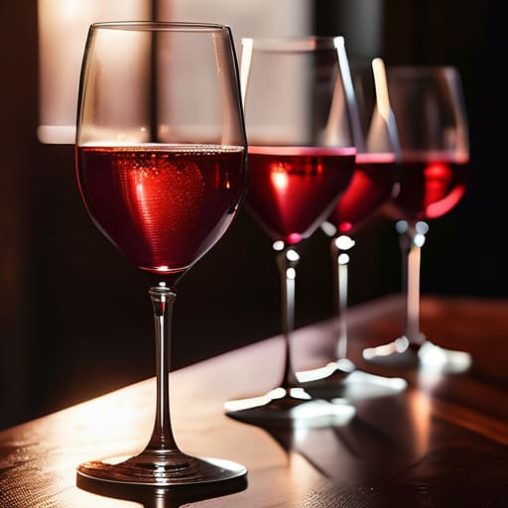
 I once watched a young, well-meaning sommelier at a boutique bistro spend ten minutes lecturing a couple on the “aeration properties” of a crystal stemware collection that cost more than his monthly rent. The poor guests sat there, looking terrified, while their lovely Barolo sat breathing in a glass so delicate it looked like it might shatter if someone sneezed. It’s the same nonsense I see everywhere: people getting lost in the marketing fluff and the price tags instead of actually understanding how to choose wine glasses that serve the wine, not the ego. You don’t need a cabinet full of specialized vessels for every single grape variety known to man; you need common sense and a bit of practical knowledge.
I’m not here to sell you on the magic of hand-blown Venetian glass or any other expensive fairy tale. My goal is to give you the straight truth—the kind of advice I used to give my floor staff when we were prepping for a busy Saturday night. I’ll show you how to spot a glass that actually works, why the weight in your hand matters more than the brand name, and how to build a collection that is actually useful without draining your bank account.
Crystal vs Glass Wine Glasses the Price of Real Clarity
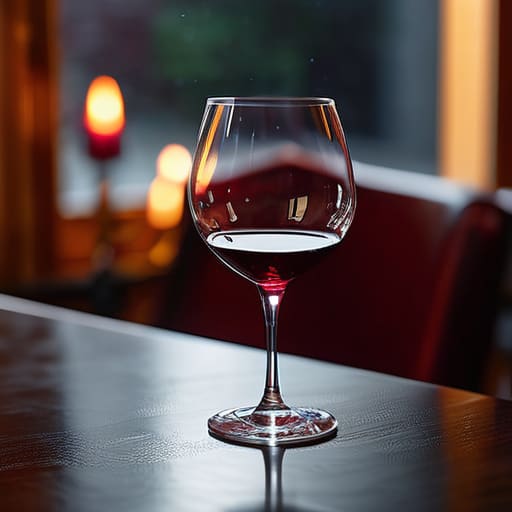
When I was running my sixteen-cover room, I used to look at the invoices for glassware and feel a physical ache in my chest. It’s one of those expenses that feels purely indulgent until you actually sit down to drink. You’ll see shops selling sets of twelve for twenty pounds, and they look fine enough on a shelf, but once you pour a decent Cabernet into them, the illusion vanishes. The problem isn’t just the weight; it’s the physics. Cheap glass is thick and blunt, which kills the tasting notes and aroma enhancement that you’ve actually paid for in the bottle.
The real debate—crystal vs glass wine glasses—isn’t about snobbery; it’s about how much of the wine’s soul you’re willing to lose. Crystal is thinner, allowing for a much more precise rim that directs the liquid to the right part of your palate. It also responds to temperature differently. If you’re investing in a vintage that costs more than your weekly grocery bill, don’t serve it in a vessel that feels like a heavy paperweight. A glass that’s too thick acts like a lid, trapping the very scents you’re trying to enjoy.
Optimal Wine Glass Capacity Why Volume Matters More Than You Think
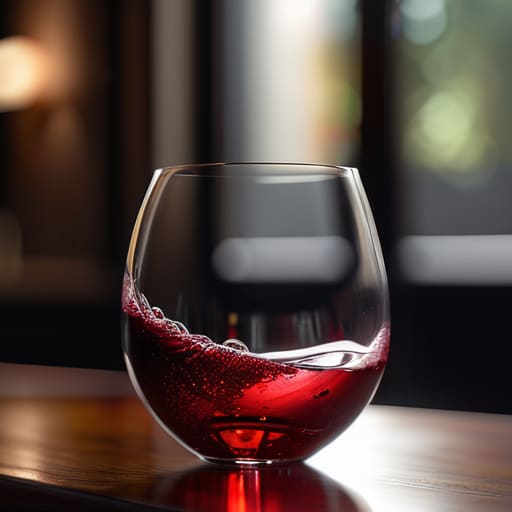
When you’re looking at a shelf of glassware, it’s easy to get distracted by how pretty they look under the dining room lights, but you need to look at the actual guts of the bowl. Most people think a bigger glass just means more wine, but in a professional setting, it’s about the physics of the pour. The optimal wine glass capacity isn’t just a random number; it’s a calculation designed to manage how much liquid is actually interacting with the air. If the bowl is too small, you’re suffocating the wine; if it’s too large and you fill it to the brim, you’ve lost the ability to actually smell anything.
This is where aeration and bowl shape become the real players in the room. A wide, voluminous bowl for a heavy Cabernet allows the wine to spread out, increasing the surface area so those tight tannins can finally relax. Conversely, if you try to serve a delicate Pinot Noir in a massive, cavernous glass, you’ll blow right past the subtle nuances and end up tasting nothing but alcohol. You aren’t just buying a vessel; you’re buying the ability to actually experience what’s in the bottle.
The Five Things Your Sommelier Won't Tell You (But Your Wallet Will)
- Forget the “universal” label. If a brand tells you one glass works for everything from Pinot Noir to Cabernet, they aren’t selling you quality; they’re selling you a way to save money on inventory. A glass that tries to do everything usually ends up doing nothing well, leaving your delicate whites smelling like heavy reds and your big reds suffocating in a bowl too small to breathe.
- Test the rim, not the weight. You’ll see heavy, thick-rimmed glasses being marketed as “durable,” but in a dining room, that’s a disaster. A thick rim acts like a dam on your palate, masking the acidity and the nuance of the wine. You want a rim so fine it feels like it disappears the moment it touches your lip; if you can feel the glass before you taste the fruit, send it back.
- Check the stem for more than just aesthetics. A thin, elegant stem isn’t just for show—it’s a functional necessity to keep your body heat from warming the wine in the bowl. When I ran my place, I saw too many young managers buy cheap, chunky stems because they wouldn’t break during a rush, but they were effectively serving lukewarm wine to people paying premium prices.
- The “Dishwasher Test” is a lie. Manufacturers love to slap “dishwasher safe” on a box to move volume, but if you’re serious about your collection, realize that the heat and chemicals in a machine will eventually etch the glass, leaving it cloudy and dull. If you want that crystal clarity we talked about earlier, you have to be prepared to hand-wash them in a sink, or accept that your expensive vintage will eventually taste like soap.
- Buy for your actual lifestyle, not your aspirational one. Don’t go out and buy a dozen specialized Zalto glasses if you live alone and mostly drink casual house whites. A restaurant survives on smart procurement, and a home bar should too. It is far better to own four exceptional, versatile pieces that you actually use, than a cupboard full of “specialty” glassware that sits gathering dust because you’re too tired to polish them.
The Bottom Line on Your Glassware
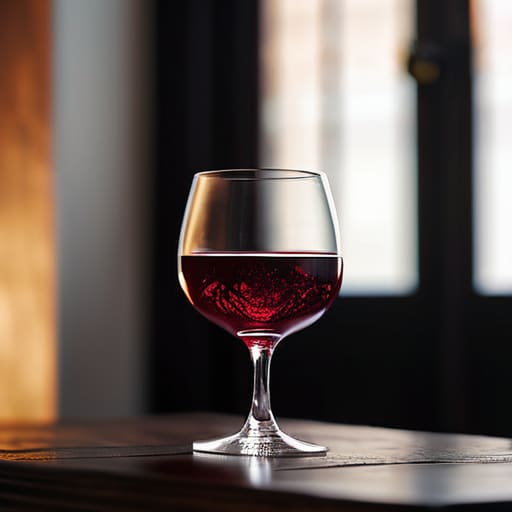
Stop buying sets of twelve just because they look uniform on a shelf; buy three exceptional glasses for the wines you actually drink, because a single thin-rimmed crystal bowl does more for a decent Cabernet than a dozen heavy, machine-pressed tumblers ever could.
Capacity isn’t about how much liquid you can pour, it’s about the air—if you don’t leave enough room in the bowl for the wine to breathe and the aromas to gather, you aren’t drinking wine, you’re just swallowing fermented grape juice.
When you’re hosting, remember that the “perfect” glass is the one that doesn’t distract from the food; if your guests are preoccupied with the weight of the stem or a smudge on the rim, you’ve lost the table, and in my experience, that’s the one thing a menu can’t fix.
The Cost of a Cheap Rim
“I’ve seen too many young owners try to shave twenty percent off their breakage costs by buying heavy, machine-pressed glass, but they don’t realize they’re actually paying for it in the dining room; when you serve a delicate Pinot Noir in a glass with a thick, blunt rim, you aren’t just serving wine, you’re forcing your guest to fight the vessel just to get a sip.”
Rosalind Achterberg
The Bottom Line on Your Glassware
At the end of the day, choosing a glass isn’t about following some arbitrary rulebook written by a sommelier in a tuxedo; it’s about respecting the liquid in the bottle. You’ve learned that crystal isn’t just a luxury—it’s a functional tool for clarity and rim-feel—and that the capacity of the bowl dictates whether a wine actually gets a chance to breathe or just sits there suffocating. Don’t get caught up in the vanity of owning a dozen specialized shapes if you don’t have the cabinet space or the budget to maintain them. Focus on quality over quantity, and prioritize a versatile, well-shaped universal glass that won’t let a decent vintage go to waste.
I spent twenty-six years watching people spend hundreds on a bottle of wine only to pour it into a thick, heavy-bottomed glass that felt like drinking from a beaker. It broke my heart, honestly. Whether you are hosting a formal dinner or just sitting at your own kitchen table with a Tuesday night Cabernet, remember that the vessel is the final ingredient in the recipe. Treat your glassware with the same respect you treat your ingredients, and you’ll find that the simplest changes often yield the most profound rewards. Now, go pour something good and enjoy it.
Frequently Asked Questions
If I'm only hosting dinner parties once a month, is it actually worth the investment to buy crystal, or am I just paying for a name?
Look, if you’re only hosting once a month, don’t go out and buy a dozen heavy crystal stems just to impress your neighbors. You’ll end up with a cupboard full of expensive dust. Buy a decent set of high-quality, thin-rimmed glass instead. It’s not about the brand name on the box; it’s about the weight in your hand and how the rim feels against your lip. Save your money for a better bottle.
How do I know if a glass is "universal" enough to handle a whole bottle of wine, or if I'm going to end up with a cupboard full of specialized shapes I never use?
Look, if you try to buy a specific shape for every grape on the planet, you’ll end up with a cupboard full of expensive clutter and a massive headache during service. For most people, a decent, medium-sized Bordeaux glass is your workhorse. It’s got enough bowl to let a heavy red breathe, but enough structure to handle a white without it tasting like a puddle. Stick to three reliable shapes; anything more is just vanity.
When I'm at a restaurant, how can I tell if they're actually using quality glassware or if they're just cutting corners with cheap, thick-rimmed stuff?
Watch the rim. If it feels heavy or blunt against your lip, like you’re drinking from a jelly jar, they’ve bought bulk soda-lime glass to save a few pence on the breakage line. Real quality has a tapered, almost invisible edge that lets the wine flow. Also, look at the stem; if it’s thick and clunky, they’re prioritizing durability over the guest. They aren’t cutting corners for your sake—they’re cutting them for their bottom line.
