
 Written by
 I remember standing in my kitchen at 4:30 AM on a Tuesday, staring at a crate of wilted, grey-edged leeks that had just been delivered by a “premium” distributor I’d spent three weeks vetting. The invoice was beautiful, printed on heavy paper, but the produce was garbage. Most people will hand you a complete guide to suppliers that looks like a glossy brochure, filled with promises of “farm-to-table synergy” and “unparalleled logistics.” They want you to believe that managing your stock is a matter of clicking the right buttons on a sophisticated procurement app. But they’ve never had to explain to a dining room full of regulars why the signature risotto is off the menu because the shallot guy decided to take a long weekend.
I’m not here to talk about spreadsheets or the romanticized version of sourcing. I’m going to tell you how to build a supply chain that actually holds up when the weather turns or the driver gets lost. This is the unvarnished truth about finding people who won’t leave you stranded, understanding the real cost of a “cheap” invoice, and knowing when a relationship is worth the extra ten percent. We’re going to talk about the business of staying open, one reliable delivery at a time.
The High Stakes of Your Vendor Selection Process

When you’re sitting in the dining room, watching a guest slice into a piece of sea bass, you aren’t thinking about logistics. But I am. I’m thinking about the fact that if that fish isn’t perfect, it’s because a driver hit a pothole or a buyer tried to shave three percent off the margin by sourcing from a lesser dock. A mistake in your vendor selection process isn’t just a line item on a spreadsheet; it is a slow-motion wreck that hits your reputation at 8:00 PM on a Saturday.
You can have the most talented chef in the city, but if they are fighting a losing battle against wilted herbs and inconsistent cream, they will eventually burn out. I’ve seen brilliant kitchens crumble simply because the owner prioritized the lowest bid over reliability. True supply chain management strategies aren’t about finding the cheapest way to fill the walk-in; they are about building a network of people who care as much about your reputation as you do. Because when the produce truck fails to show at 4:00 PM, a discount doesn’t fix your menu—only a partner does.
Sourcing Reliable Manufacturers Before the Doors Open
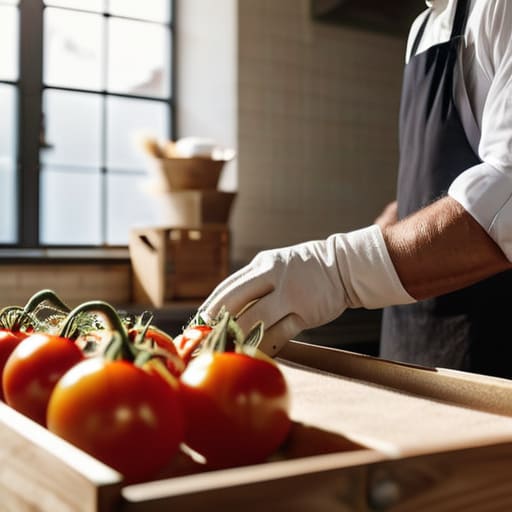
When you’re staring at a blank menu and a kitchen that smells of fresh paint, the temptation is to sign the first contract that lands on your desk. You think you’re buying ingredients, but you’re actually building your foundation. Sourcing reliable manufacturers isn’t just about checking if their tomatoes are organic or their flour is stone-ground; it’s about testing their temperament. I used to say that a supplier’s true character shows up at 10:00 AM on a Tuesday when you realize you’re short three kilos of butter and the lunch rush is looming. You need to know if they’ll roll a van halfway across the county to save your service, or if they’ll simply point to a clause in a PDF.
This is where your vendor selection process moves from a spreadsheet exercise to a survival tactic. Don’t just look at the price per unit; look at the consistency of the delivery windows and the person answering the phone. If their communication is sloppy during the honeymoon phase of your relationship, imagine how they’ll treat you when your order is wrong during a holiday weekend. You aren’t just looking for a vendor; you are looking for a partner who understands that a missed delivery is a missed opportunity to make a profit.
Five Hard Truths About Who You Let Into Your Kitchen
- Don’t fall in love with a product; fall in love with a delivery window. I’ve seen more beautiful menus ruined by a supplier who promises heirloom tomatoes but delivers them at 11:00 PM on a Tuesday when my prep cook has already gone home. A mediocre tomato delivered on time is a tool; a perfect tomato that arrives three hours late is a crisis.
- Test their breaking point before you sign the contract. Ask them what happens when their truck breaks down, or when a frost hits the valley, or when their driver calls in sick. You aren’t looking for the supplier with the slickest brochure; you’re looking for the one who has a Plan B, a Plan C, and the decency to call you before you realize the walk-in is empty.
- Watch the person, not the price list. When you meet a sales rep, look at their eyes, not their spreadsheet. Are they someone who will pick up the phone at 3:30 PM when you’re staring at a broken chiller, or are they just another person chasing a commission? In this business, your supplier is effectively an unpaid member of your management team.
- Diversify so you aren’t held hostage. If you have only one source for your protein or your dairy, you don’t own a restaurant; the supplier owns you. Always keep a secondary, local contact on speed dial—even if they’re twenty percent more expensive. That markup is essentially an insurance premium against the day your main provider fails.
- Audit the “invisible” costs. A low unit price on a bag of flour looks great in the ledger until you realize it comes with a mandatory minimum order that forces you to store fifty kilos of excess stock, tying up your cash flow. Every delivery has a footprint of space, labor, and capital; if you aren’t counting those, you aren’t actually seeing the true cost of the ingredient.
The Real Cost of a Cheap Invoice
A low price on a spreadsheet is a lie if it comes with a delivery driver who shows up three hours late or a produce manager who doesn’t answer his phone when your prep cook realizes the tomatoes are bruised.
Your supplier isn’t just a line item in your COGS; they are your primary insurance policy against the chaos of a service, and you pay for that reliability with more than just cash.
Never mistake a vendor for a partner; true partners understand that when your kitchen is drowning, they are the ones who help you find the shore, not the ones who send a generic automated email.
The Myth of the Perfect Invoice
A spreadsheet can tell you the price per kilo, but it won’t tell you which supplier is going to ghost you on a Friday afternoon when the prep list is screaming and the delivery van is nowhere to be found. You aren’t just buying ingredients; you’re buying the peace of mind that someone actually gives a damn about your service as much as you do.
Rosalind Achterberg
The Final Order
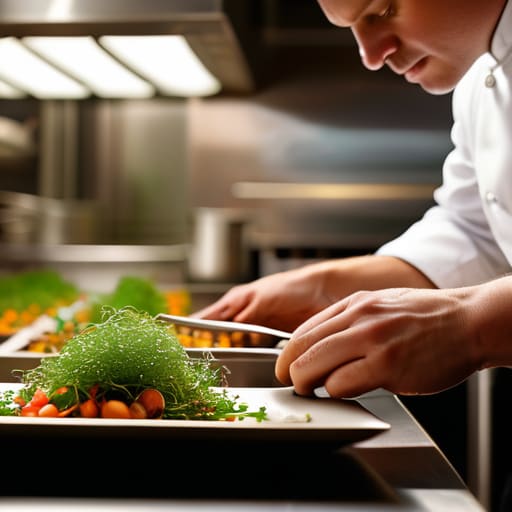
At the end of the day, your supplier list isn’t just a collection of names on an invoice; it is the foundation upon which your entire reputation is built. You can have the most talented chef in the city and the most beautiful dining room, but if your produce arrives bruised or your dry goods are three days late, you aren’t running a restaurant—you’re running a crisis center. We’ve talked about the necessity of vetting manufacturers, the brutal reality of cost versus quality, and why you can’t afford to be a stranger to your delivery drivers. It comes down to this: reliability is the only currency that truly matters when the tickets start flying and the dining room is full. If you don’t get the sourcing right, the math will never work, no matter how many tables you turn.
If I have any parting advice from my twenty-six years behind the pass, it is this: treat your suppliers like the partners they are, not just the vendors they claim to be. In this industry, things will go wrong—trucks will break down, crops will fail, and prices will spike without warning. When those moments arrive, you don’t want a salesperson on the phone; you want a person who understands that your survival is their business too. Build those relationships with honesty and a bit of grit. It’s a hard way to make a living, but when you find that perfect balance of quality and consistency, there is nothing quite like the pride of serving a meal that you know, from soil to plate, was handled with respect.
Frequently Asked Questions
How do I balance the desire for high-end, local specialty ingredients with the brutal reality of my food cost percentages?
You have to stop thinking of ingredients as “luxuries” and start seeing them as math. If you want that heirloom tomato from the farm down the road, you don’t just slap it on the menu and pray; you adjust the dish around it. Maybe that tomato justifies a higher price point on a starter, or maybe it means you use the trimmings for a more profitable soup. You balance the books by being ruthless with the basics so you can afford the stars.
What are the red flags to look for when a supplier's pricing is consistent but their delivery reliability starts to slip?
If the price stays steady while the deliveries start drifting, you’re being managed, not partnered with. A supplier who holds their line on cost while failing on timing is often subsidizing their own logistics failures with your kitchen’s sanity. They’ve decided your menu is secondary to their route efficiency. Don’t let a “good deal” trick you into a frantic 4:00 PM scramble for tomatoes; a cheap invoice is expensive when it leaves you with an empty pass.
At what point does it become more cost-effective to consolidate my orders with one large distributor versus maintaining several niche boutique vendors?
It’s the classic tug-of-war between soul and spreadsheet. You consolidate when the administrative headache of managing ten different invoices starts costing you more in labor than the premium you pay for boutique quality. If you’re spending three hours every Monday morning chasing down three different delivery drivers who all show up at different times, your margins are bleeding. Buy your staples—flour, oil, salt—from the big guys. But never, ever let them dictate your specialty ingredients.
