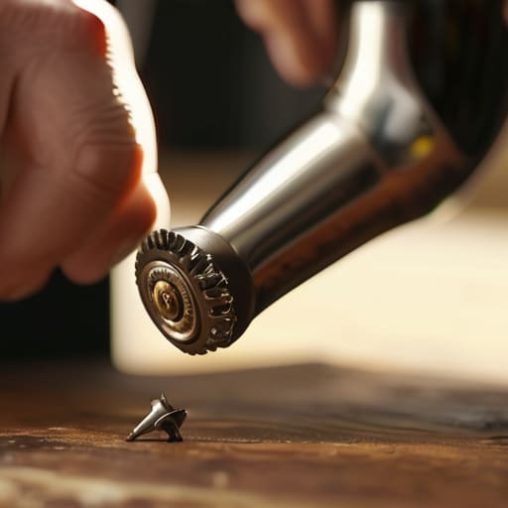
 Written by
 I remember a Tuesday night in my old dining room, about fifteen years ago, when a young, eager sommelier tried to perform what he clearly thought was a grand theatrical gesture with a vintage Bordeaux. He was so busy trying to look sophisticated that he practically wrestled the bottle, eventually snapping the cork into the wine with a sound like a small bone breaking. The table of four sat in a deafening silence, watching their expensive evening dissolve into a mess of floating cork bits and embarrassed glances. Most people will tell you that knowing how to open a bottle properly is about the elegance of the tool or the pedigree of the vintage, but they’re wrong. It’s actually about control and temperament, two things most people—and far too many servers—completely lack when the pressure is on.
I’m not here to sell you a gold-plated waiter’s friend or teach you a choreographed dance for your dinner party. I want to tell you how to do it so you don’t end up with a mouthful of grit or a ruined bottle of something you actually cared about. We’re going to talk about the real mechanics—the grip, the angle, and why you should never, ever rush the screw. This is the honest, unvarnished truth from someone who has spent thirty-eight years cleaning up the mistakes of others.
Mastering the Mechanics How to Use a Waiters Corkscrew
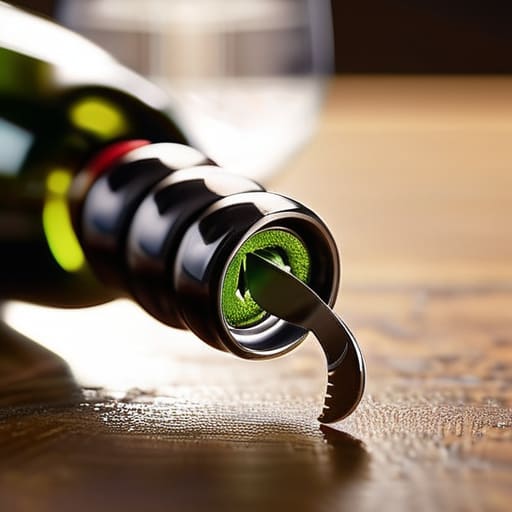
First, let’s talk about the tool itself. If you’re still using one of those flimsy, single-lever gadgets from a supermarket, put it back. You want a waiter’s friend—the compact, two-lever version that fits in a pocket. When you’re removing foil from a wine bottle, don’t go hacking at it like you’re peeling a potato. Use the small knife blade on the tool to slice cleanly under the lip of the capsule. If you tear the foil into jagged bits, you’re leaving a mess for the guest to pick out of their glass later, and in my dining room, that was a cardinal sin.
Once the foil is off, the real work begins. When learning how to use a waiter’s corkscrew, the most important thing is your angle. Aim for the dead center of the cork. If you screw it in at a slant, you’re asking for trouble; you’ll end up with a jagged, uneven extraction that makes avoiding broken corks nearly impossible. Once the worm is deep enough, deploy the levers with a steady, controlled pressure. Never jerk the handles. It should feel like a slow, deliberate conversation between the tool and the wine, not a wrestling match.
Removing Foil From Wine Bottle Without Looking Amateur
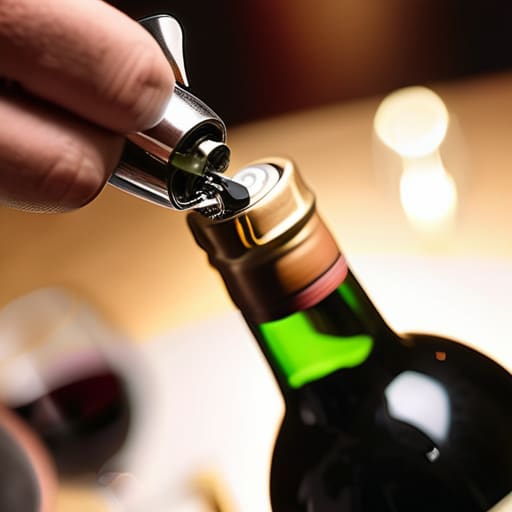
There is nothing quite as agonizing as watching a server struggle with a foil capsule like they’re trying to peel a stubborn sticker off a window. It’s a small thing, but it’s the first thing the table sees, and if you look clumsy here, they’ll spend the rest of the meal wondering if the kitchen is just as disorganized. When removing foil from wine bottle necks, the goal isn’t just speed; it’s precision. You want a clean, sharp cut that leaves no jagged edges or little silver scraps clinging to the rim. I always told my staff: if the foil looks ragged, the wine will taste like metal.
Don’t just hack at it with the little knife on your tool. Use the small blade to cut just below the second lip of the bottle. This ensures you aren’t leaving any debris that could fall into the glass during the pour. If you’re dealing with the heavy-duty wax seals you see on some high-end reds, don’t panic—just take your time and work in a circle. It’s one of those fundamental wine bottle opening tips that separates a professional from an amateur: the messier the prep, the more the guest doubts the vintage.
Five Rules for Not Ruining the Wine (or the Evening)
- Watch the cork, not the clock. When you’re pulling, don’t just yank it like you’re trying to start a lawnmower; if you feel resistance, slow down. A cork that crumbles into the wine isn’t just a mess, it’s a sign you were rushing a moment that deserved patience.
- Mind the drip. There is nothing more amateur than a clean pour that leaves a red streak running down the side of the bottle and onto the tablecloth. Wipe the lip of the bottle after the cork is out—it’s a tiny habit, but it’s the difference between a professional service and a kitchen spill.
- The sound of success is silence. If you hear a loud, violent pop like a champagne cork, you’ve pulled too hard and introduced too much air. You want a gentle, satisfying sigh. That little exhale tells you the seal was good and the wine is ready to breathe.
- Never, ever use a knife if you can help it. I’ve seen people try to jimmy a bottle open with a steak knife when they can’t find the tool, and it’s a disaster waiting to happen. You’ll end up with shards of glass or a jagged cork, and frankly, it’s an insult to the person who paid for the bottle.
- Check the cork before you serve. Once it’s out, take a quick, quiet look at it. If it’s soaked through or looks like it’s been decaying in the bottle for a decade, you’ve got a problem you need to address with the guest immediately, not after they’ve taken a sip and realized it tastes like a basement.
The Real Cost of a Bad Opening
It isn’t just about the cork; it’s about the tempo. A fumbled opening breaks the spell of the evening and signals to the table that the person in charge hasn’t done this a thousand times before.
Respect the screw. If you force it or jam it in at an angle, you aren’t just risking a broken cork, you’re risking a mouthful of sediment that turns a decent bottle into a chore to drink.
Cleanliness is the silent metric. A professional doesn’t just pull the cork and move on; they wipe the rim, clear the debris, and ensure the presentation is as tidy as the kitchen they came from.
The Real Stakes of a Cork
Opening a bottle isn’t about the mechanics of a screw or the cleanliness of the foil; it’s about the first thirty seconds of a guest’s experience. If you fumble, if you struggle, or if you make them watch you fight with a piece of cork, you’ve already broken the spell of the evening before they’ve even taken a sip.
Rosalind Achterberg
The Final Pour
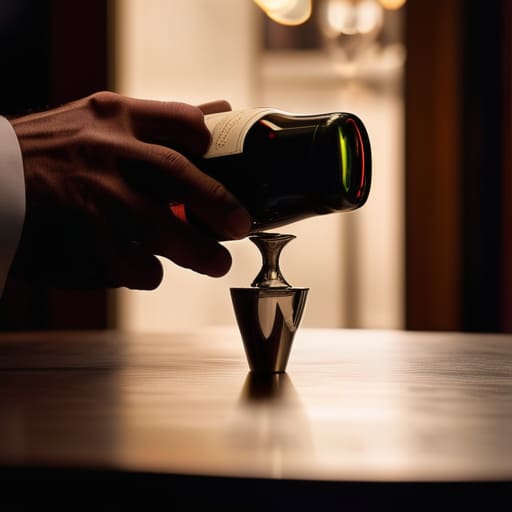
At the end of the day, opening a bottle isn’t about performing some grand, theatrical stunt for the benefit of the table. It is about the quiet competence of the mechanics: cutting the foil cleanly so you aren’t picking bits of tin out of the wine later, and driving that screw straight so you don’t end up with a cork crumbling into the decanter. If you’ve done the work right, the guest shouldn’t even realize you were trying. They should just notice that the wine is flowing, the service is seamless, and the rhythm of the evening remains unbroken. It is a small, technical victory, but in a busy dining room, those small victories are what keep a service from sliding into chaos.
I spent decades watching people try to turn a simple task into a spectacle, and I can tell you that true hospitality is found in the absence of friction. Whether you are hosting a dinner in your own kitchen or sitting at a polished mahogany bar, respect the bottle and respect the ritual. There is a certain dignity in doing a job properly, even when no one is looking. So, take your time, watch your grip, and remember that grace is found in the details. Once the cork comes free and the first scent of the vintage hits the air, you’ll realize that the effort was never really about the tool in your hand—it was about the moment you create for everyone else.
Frequently Asked Questions
What on earth am I supposed to do if the cork decides to crumble and fall into the wine halfway through?
Don’t panic; I’ve seen it happen to the best of them, and I’ve certainly done it myself. If the cork gives up the ghost, don’t keep digging—you’ll just turn the bottle into a gravel pit. Grab a fine-mesh strainer and decant the wine into a clean carafe or pitcher. It’s a bit of a scramble, but it’s better than serving your guests a glass of sediment and heartbreak.
Is it actually worth paying a corkage fee, or is the restaurant just trying to squeeze more profit out of my cellar?
Look, I get the suspicion. You think we’re just eyeing your vintage Bordeaux to pad the margins. But here’s the reality: when you bring your own bottle, we aren’t making a cent on the liquid, yet we’re still providing the glassware, the polished silver, the trained staff to pour it, and—most importantly—the real estate. That corkage fee covers the overhead of a seat you’re occupying without us seeing the markup. It’s not a penalty; it’s a service fee.
How do I know if the wine has gone off before I've even poured a glass for my guests?
You’ll smell it before you taste it. As soon as that cork gives way, lean in. If you catch a whiff of wet cardboard, bruised apples, or something resembling a damp basement, it’s corked. Don’t let the guest take the first sip; that’s a failure of service. If the wine looks murky or smells like vinegar, send it back to the cellar. It’s better to admit a mistake early than to watch a guest’s face sour.
