
 Written by
 I remember a Tuesday in mid-November, standing in my narrow walk-in fridge with a clipboard and a growing sense of dread, staring at three crates of wilted basil and a mountain of cream that had arrived two days late. I had been reading some glossy management manual that promised a “seamless, automated supply chain solution,” but all I had was a leaking carton and a mounting pile of waste that was eating my profit alive. People love to talk about high-tech inventory software as if it’s a magic wand, but they completely miss the point of how to manage deliveries and stock in a real, breathing kitchen where things actually break, rot, or simply don’t show up when you’re staring down a Saturday night rush.
I’m not here to sell you on expensive apps or theoretical spreadsheets that look beautiful until the first delivery driver misses a window. Instead, I’m going to tell you how it actually works when the margin is thin and the staff is tired. I’ll share the practical, unglamorous habits I used to keep my sixteen-seat dining room from drowning in unnecessary overhead, focusing on the real constraints of time, space, and human error.
The High Cost of Chaos in Your Order Fulfillment Process
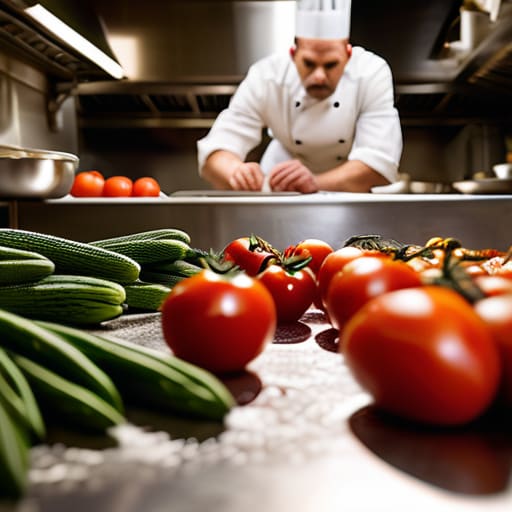
When your order fulfillment process is a mess, it isn’t just a headache for the chef; it’s a slow leak in your bank account. I’ve seen it a hundred times: a delivery driver arrives during the lunch rush with three crates of tomatoes that nobody ordered, or worse, the one specific cheese you need for your signature tart is missing entirely. You think you can just “make do,” but that’s how you end up with a frantic kitchen staff and a customer who receives a subpar substitute. That chaos is expensive. It costs you in wasted movement, stressed-out employees, and the invisible erosion of your profit margins.
The real danger, though, is what stays hidden in the back. Without a disciplined approach to stock replenishment strategies, you’ll find yourself either drowning in excess or staring at an empty shelf when it matters most. If you aren’t strictly following a first-in-first-out method, you aren’t just being messy—you are literally throwing money into the bin every time you find a bruised crate of greens at the bottom of a pile. Chaos in the storeroom is just a polite way of saying you’re losing control of your business.
Why Inventory Management Systems Are Not Just Expensive Toys
I’ve seen enough young owners treat software like a luxury they can’t afford, something to be dusted off only once the business is “stable.” That is a dangerous delusion. They think they can run a tight ship with a clipboard and a prayer, but memory is a fickle thing when you’re running a Friday night service. Inventory management systems aren’t just expensive toys for the big players; they are the digital backbone that keeps you from flying blind. Without them, you aren’t managing your kitchen; you’re just guessing, and guessing is the fastest way to bleed margin.
When you move beyond the manual tally, you start seeing the real magic of supply chain optimization. It’s not about fancy graphs; it’s about knowing exactly when to pull the trigger on a reorder so you aren’t staring at an empty walk-in during the Saturday rush. A good system enforces the first-in-first-out method without you having to hover over every junior chef like a hawk. It turns your stock from a pile of unpredictable expenses into a controlled, predictable flow that actually supports your bottom line instead of draining it.
Five Hard Truths About Keeping Your Larder from Becoming a Liability
- Stop treating the delivery driver like a nuisance and start treating them like a checkpoint. If you let your prep cook sign for a crate of tomatoes while they’re distracted by a ticket, you aren’t just accepting bruised produce; you’re essentially handing your profit margin over to the wholesaler to do with as they please. Check the weight, check the temperature, and check the quality before that driver pulls away.
- The ‘First In, First Out’ rule isn’t just a suggestion from a textbook; it’s the difference between a profitable service and a bin full of wasted money. I’ve seen too many young managers push the new, shiny crates to the front of the walk-in because it’s easier, only to find a bag of wilted spinach rotting in the back three days later. If you aren’t physically moving the old stock to the front every single morning, you’re throwing cash in the bin.
- Build a ‘Par’ that actually reflects your reality, not your ego. I used to see owners ordering enough premium protein to feed a small army because they wanted a “bountiful” look in the fridge, but a full fridge is just a graveyard for capital. You need to know exactly what you need for a Tuesday night versus a Saturday night, and you need to have the discipline to order for the former, even when you’re hoping for the latter.
- Tighten the gap between the kitchen and the office. The biggest mistake I ever made was letting the chefs run their own orders without a paper trail that tied back to the bank account. If your kitchen team is ordering “just in case” without checking what’s already sitting on the shelf, you’ll never know where your leaks are until the end-of-month accounts show a hole that shouldn’t be there.
- Schedule your deliveries to respect your service rhythm. There is nothing more chaotic than a heavy delivery arriving twenty minutes before the dinner rush hits. It clutters the floor, stresses the staff, and leads to mistakes in the stock count. If you can’t get your suppliers to deliver in that quiet window between lunch and dinner, you need to find suppliers who respect the sanctity of your service hours.
The Bottom Line: What You’re Actually Buying When You Get It Right
Precision in your ordering isn’t about being “organized”—it’s about protecting your margin from the slow bleed of spoilage and the frantic, expensive emergency runs to the local supermarket when you realize you’re short on garlic mid-service.
A reliable inventory system is your best defense against “ghost stock,” that invisible drain where money sits gathering dust on a shelf or disappears into the bin because nobody bothered to check the expiry dates during the Tuesday lull.
Effective stock management is ultimately an act of kindness toward your staff; when the deliveries are predictable and the larder is sane, your team spends their energy on the guests instead of fighting a losing battle against a disorganized walk-in.
The Ghost in the Walk-In
“You can have the finest truffle in the world, but if your delivery driver leaves a crate of bruised tomatoes in the corner and your prep cook is too busy to log it, you aren’t running a kitchen—you’re running a slow-motion bonfire of your own cash.”
Rosalind Achterberg
The Bottom Line on the Back Door
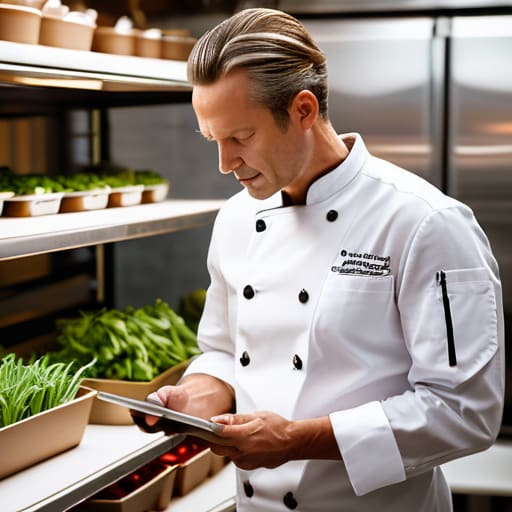
At the end of the day, managing your stock isn’t about mastering a complicated spreadsheet or playing games with your suppliers; it’s about respect. It is respect for the money you worked so hard to earn, respect for the ingredients that cost a fortune to procure, and respect for the kitchen staff who shouldn’t have to hunt for a missing crate of shallots in the middle of a Friday rush. If you ignore the cracks in your delivery process, you aren’t just dealing with a bit of “operational friction”—you are slowly bleeding your margins dry one misplaced box at a time. Tightening your inventory isn’t a chore; it is the only way to stay in the game.
I know how exhausting it feels when the delivery driver is late, the invoice doesn’t match the crate, and you still have forty covers arriving in an hour. There will be days when the chaos feels winning. But remember, the most successful restaurants I ever knew weren’t necessarily the ones with the most flamboyant chefs; they were the ones where the back-of-house discipline was so quiet and consistent that nobody even noticed it was happening. Build your foundation on the boring stuff, the stuff that happens before the first guest sits down, and you might just find you have the breathing room to actually enjoy the dinner service for once.
Frequently Asked Questions
How do I stop my staff from "borrowing" expensive ingredients or losing track of stock during a frantic Friday night service?
Look, it’s rarely malice; it’s usually just a lack of respect for the math. When service hits a fever pitch, a chef grabs a handful of expensive shavings or a cook “forgets” to ring up a substitution, they aren’t thinking about your margin—they’re just thinking about the plate. You stop the bleeding by making the numbers visible. If they don’t see the cost, they won’t feel the weight of the waste.
At what point does the cost of a digital inventory system actually pay for itself compared to my old paper notebook and a prayer?
It pays for itself the moment you stop treating “shrinkage” as an act of God and start seeing it as a line item. If you’re still using a notebook, you aren’t managing stock; you’re just recording your losses after they’ve already happened. Once your monthly food cost fluctuates by more than 2% because you can’t track a rogue case of sea bass or a heavy-handed pour, that digital system isn’t an expense—it’s your salary.
How do I handle a supplier who consistently delivers sub-par produce or wrong quantities without ruining the relationship I need to keep the kitchen running?
You don’t fix this with a polite email; you fix it with a clipboard and a backbone. When the crate of tomatoes arrives bruised or the weight is short, don’t just shrug and send it to the bin—that’s your margin disappearing. Call them immediately. Be calm, be specific, and be firm. You aren’t being difficult; you’re being a professional. If they know you’re counting every gram, they’ll stop treating your order like an afterthought.
