
 Written by
 I remember standing in my walk-in freezer at 11:00 PM on a rainy Tuesday, staring at three crates of expensive, bruised shallots that should have been in a confit three days ago. I had spent forty minutes staring at a spreadsheet that told me I was “optimized,” while my actual bank balance told me I was bleeding out. Most people will try to sell you a complete guide to stock control that involves expensive, shiny software and a PhD in logistics, but they’re missing the point. Software doesn’t stop a prep cook from over-portioning the expensive protein, and a fancy algorithm won’t find the $200 worth of herbs rotting in the back of the fridge because someone forgot to rotate the delivery.
I’m not here to give you a lecture on theoretical mathematics; I’m here to tell you how to stop subsidizing your suppliers’ lifestyles. This isn’t a textbook; it’s the hard-won truth about what actually keeps the lights on. I’m going to show you how to manage your larder without losing your mind, focusing on the real-world mechanics of counting, ordering, and—most importantly—the discipline required to actually follow through when the service rush hits.
Why Fifo vs Lifo Methods Determine Your Survival
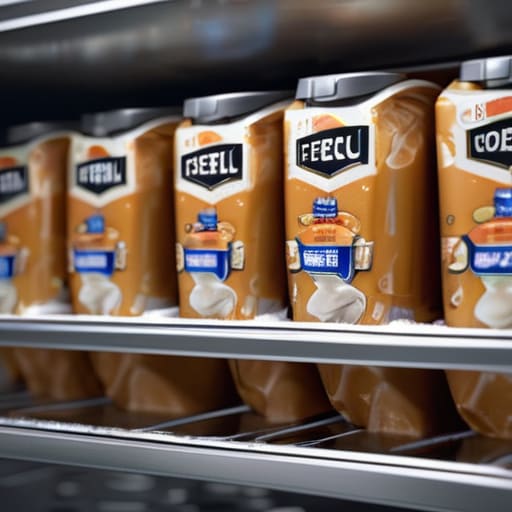
I remember a young chef I once hired—bright lad, talented with a knife, but he treated the walk-in like a treasure chest rather than a rotating cycle. He’d stack the new delivery of cream right on top of the old, thinking it didn’t matter as long as it was all “fresh.” By Thursday, we were throwing away half a crate because the bottom layer had turned. That is the difference between a profitable week and a disaster. When we talk about FIFO vs LIFO methods, you have to understand that in a kitchen, LIFO (Last-In, First-Out) is essentially a slow-motion suicide note. If you aren’t practicing First-In, First-Out with religious devotion, you aren’t just wasting food; you’re throwing your profit directly into the bin.
It isn’t just about the spoilage, though. Proper inventory management techniques dictate the rhythm of your entire cash flow. If you’re constantly digging through old stock to find what you need, your prep times slip, your consistency wobbles, and your margins evaporate. Using a strict rotation isn’t some academic exercise; it’s the only way to ensure you aren’t subsidizing a mounting pile of waste.
Real Time Stock Tracking Watching the Money Walk Out
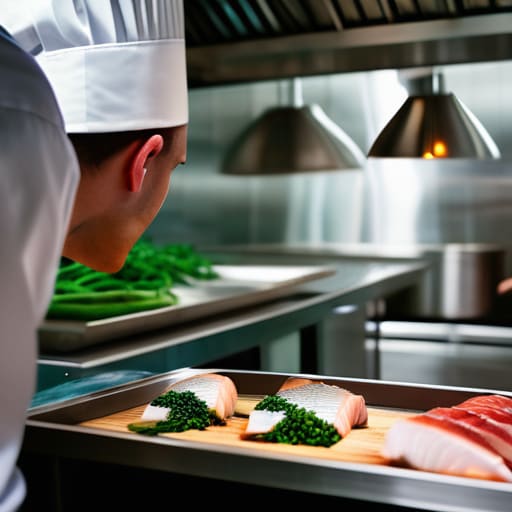
If you think you can manage your larder by glancing at the shelves once a week and doing some mental math, you aren’t running a business; you’re running a charity for your suppliers. Real-time stock tracking isn’t about some high-tech fantasy; it’s about knowing that the moment a porter moves a crate of sea bass from the delivery truck to the walk-in, the math in your office changes. When you rely on outdated numbers, you aren’t just guessing—you are actively bleeding cash through the cracks of your own ignorance.
The danger of waiting until the end of the month to perform your stocktaking procedures is that by then, the damage is already done. You’ll see the discrepancy in the books, but you won’t know if it was a chef who forgot to record a broken bottle of Barolo, a server who “forgot” to ring in a side of truffle fries, or a supplier who shorted you on the weight of your ribeyes. True minimizing of inventory shrinkage happens in the small, unglamorous moments of the service, not in a frantic counting session at midnight. If you aren’t watching the money walk out the door in real-time, it’s already gone.
Five Ways to Stop Your Profits from Rotting in the Walk-In
- Trust your eyes, not your spreadsheet. You can have the most expensive inventory software in the world, but if you aren’t physically walking into the dry store and lifting the heavy bags of flour to check for damp or pests, you’re just managing a fantasy. A digital count doesn’t tell you that the bottom crate of tomatoes is turning to mush.
- Tighten the screws on your receiving protocols. The biggest leak in a restaurant isn’t usually theft; it’s the supplier delivering three kilos of shallots instead of five and your prep cook signing the invoice without looking. If you aren’t weighing the protein as it comes off the truck, you are essentially handing your profit margin back to the wholesaler as a tip.
- Stop the “just in case” ordering habit. I spent years thinking a full larder meant I was prepared, but all it actually meant was that I was tying up my cash in boxes of expensive balsamic that sat gathering dust. If you’re ordering more than you need to cover a busy weekend, you aren’t being prepared—you’re just subsidizing your own anxiety with money you should be using for the rent.
- Make waste a visible, painful metric. If a cook drops a steak or a server spills a bottle of wine, it shouldn’t just be a quiet apology and a shrug. It needs to be written down in a waste log that is reviewed every single morning. When you see the actual dollar value of the “accidents” at the end of the week, it stops being a mistake and starts being a crisis.
- Assign a single, grumpy soul to the keys. Stock control fails when “everyone” is responsible for it, because in a busy service, “everyone” is responsible for nothing. You need one person—whether it’s the sous chef or the floor manager—who owns the inventory. If the numbers don’t match, it’s their neck on the line, and that’s the only way the discipline actually sticks.
The Hard Truths of the Walk-In
If you aren’t counting your high-value proteins every single night, you aren’t managing a kitchen—you’re just hosting a very expensive charity event for your staff and suppliers.
Stock control isn’t about tidy spreadsheets; it’s about knowing exactly why that expensive bottle of Burgundy is still sitting on the shelf while your cash flow is bleeding out in the bank.
A full larder is often a lie; true efficiency is found in a lean, rotating inventory where every single item has a destination and a deadline before it becomes expensive compost.
The Inventory Illusion
A pristine-looking walk-in fridge is a lie if you haven’t checked the dates; you aren’t looking at ingredients, you’re looking at a pile of cash that’s slowly rotting in the dark.
Rosalind Achterberg
The Bottom Line in the Walk-In
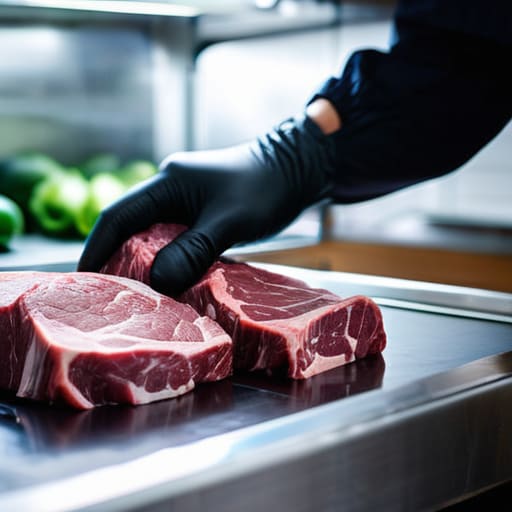
At the end of the day, stock control isn’t some abstract accounting exercise designed to keep you tethered to a spreadsheet; it is the literal heartbeat of your profit margin. Whether you are obsessing over the rotation of your dairy to ensure you’re following FIFO, or squinting at your digital tracking to see exactly where that expensive Wagyu vanished to, you are doing the heavy lifting required to stay solvent. If you ignore the movement of your goods, you aren’t just losing ingredients—you are bleeding cash through the cracks of your own indifference. You have to respect the inventory, because if you don’t, the math eventually won’t respect you.
I know it feels tedious. I know there are nights when, after a grueling service, the last thing you want to do is count heads of garlic or verify a delivery invoice. But remember that every crate accounted for is a step toward a business that can actually afford to pay its staff well and keep the lights on for another season. Running a restaurant is a beautiful, chaotic act of service, but it requires a disciplined backbone to survive the quiet years. Control your stock, protect your margins, and you might just find that you’ve built something that lasts longer than a single season of hype.
Frequently Asked Questions
When does the cost of a high-end digital inventory system actually outweigh the benefit of just doing a manual count every Sunday night?
If you’re running a sixteen-cover room where the menu changes with the seasons, a fancy digital system is just an expensive way to watch your profit margins bleed out. Stick to the Sunday night count. But the moment you’re managing more than forty covers or three different suppliers delivering daily, that manual clipboard becomes a liability. You aren’t paying for software then; you’re paying to stop the “invisible” theft and the wasted prep that kills a small business.
How do I stop my kitchen staff from "grazing" on the expensive proteins without making the whole service feel like a police interrogation?
You don’t stop grazing with a clipboard and a scowl; you stop it by making the math visible. When the prep list is a mystery, the ingredients feel like communal property. I used to pull the waste sheet into the light. If a line cook knows that three ounces of wagyu isn’t just “a snack” but is actually the profit margin for their Friday bonus, the psychology shifts. Treat the stock like the bank account it is.
If I’m running a tiny room with a limited menu, is it actually worth the labor to track every single gram of spice, or am I just wasting time I should spend on the floor?
Listen, I’m not telling you to weigh out your salt every morning—that’s a fast track to burnout and a miserable staff. But if you aren’t tracking the high-value stuff—the expensive oils, the specialty cheeses, the proteins—you’re bleeding. You don’t need to count every peppercorn, but you do need to know why your food cost jumped 4% this month. Track the big hitters, ignore the dust, and keep your eyes on the floor.
