 Written by
 I remember sitting in my sixteen-cover dining room on a rainy Tuesday in November, staring at a crate of wild mushrooms that had cost me far more than I’d budgeted for. The chef wanted to keep them on the permanent menu, but I knew better. That’s the thing about the romanticized version of dining: people think a “special” is just a chef’s sudden burst of inspiration or a way to show off a bit of flair. In reality, understanding how restaurant specials work is less about culinary whimsy and much more about the brutal mathematics of survival. A special is often a calculated move to protect a margin, a clever way to pivot when a supplier lets you down, or a frantic attempt to stop a high-cost ingredient from becoming a total write-off.
I’m not here to give you the glossy, marketing-approved version of the story. Instead, I want to pull back the curtain and show you the real mechanics behind that daily chalkboard. I’ll tell you when a special is a genuine gift from the kitchen to your palate, and when it’s actually a strategic maneuver to balance the books. By the time we’re done, you’ll see every “limited time offer” through the eyes of someone who has actually had to pay for it.
Protecting Restaurant Profit Margins on Specials
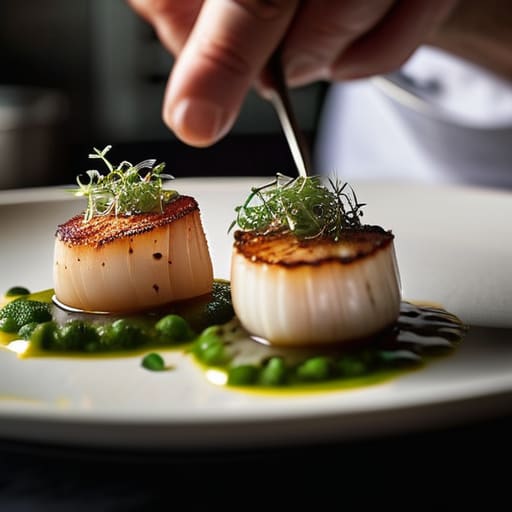
When people talk about specials, they tend to focus on the “art” of the plate, but behind the kitchen door, it’s pure math. Every time a chef puts a new dish on the chalkboard, they are engaging in a high-stakes game of inventory turnover strategies. If I had a pound for every time a beautiful piece of venison sat in the walk-in too long because we didn’t have a plan for it, I wouldn’t have needed to sell my business in 2019. A well-timed special is actually a tool for food waste management; it’s the clever way we turn an overstock of leeks or a surplus of scallops into a high-margin dish before they become a write-off.
You have to understand that protecting restaurant profit margins on specials is about more than just pricing. It’s about the invisible cost of labor and the precision of the prep list. A special that requires a commis to spend four hours peeling specialty tubers just to serve six portions is a disaster disguised as a delicacy. The real magic happens when the special uses ingredients we already have in the pantry, requiring minimal extra labor but offering a high perceived value to the guest. That is how you keep the lights on.
Inventory Turnover Strategies That Keep Doors Open
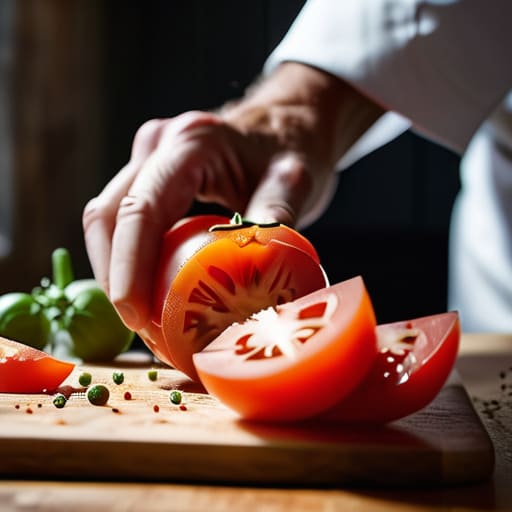
When I ran my sixteen-cover room, I didn’t look at a crate of heirloom tomatoes and see “culinary inspiration”; I saw a ticking clock. If those tomatoes sat in the walk-in for three days too long, they weren’t just bruised—they were pure profit evaporating into the bin. This is where inventory turnover strategies move from the textbook to the kitchen floor. A smart chef uses their daily features to bridge the gap between what was ordered and what actually arrived, ensuring that nothing sits long enough to lose its edge.
It’s a delicate dance of seasonal menu planning and sheer survival. You don’t just pick a special because the ingredients look pretty; you pick it because you have forty portions of scallops that need to be gone by 9:00 PM or you’re eating them yourself at midnight. Effective food waste management in restaurants isn’t about being precious or eco-conscious—though that’s a lovely byproduct—it’s about the cold, hard reality of the bottom line. If you aren’t rotating your stock through these clever little menu pivots, you aren’t running a restaurant; you’re running a charity for your suppliers.
Five Hard Truths About Why That Special is on Your Table
- The “Chef’s Whim” is usually a math problem. When you see a beautiful piece of seasonal fish on the specials board, don’t assume the chef just woke up feeling inspired; assume they bought a crate of it at a price that only works if they sell every single gram by 10:00 PM tomorrow.
- Specials are the secret weapon against the bin. A smart kitchen uses the special to pivot away from ingredients that are losing their edge. If the heirloom tomatoes are looking a little tired, they don’t go in the salad; they go into a roasted tomato soup special where the texture is masked and the waste is zero.
- It’s a test of the kitchen’s rhythm. A special is often a way to see if the line can handle a dish that isn’t part of the standard prep list. If the staff can’t execute a special without the whole service falling apart, the owner knows they have a training problem, not a menu problem.
- Watch the pricing, because it tells you the real story. A special with a high price tag isn’t always a luxury; it’s often a way to recoup a sudden spike in supplier costs. If the steak special is suddenly twenty pounds more than the menu steak, the butcher didn’t give them a discount—they gave them a headache.
- The best specials are the ones that don’t require extra labor. If a dish requires a specialized technique that only the head chef can do, it’s a vanity project, not a business decision. A true, profitable special is something the junior cook can plate perfectly while the kitchen is screaming in the weeds.
The Real Reason the Specials Board is Changing
A special is rarely about culinary inspiration alone; it is a tactical tool used to balance the books by turning expiring inventory into revenue before it becomes a total loss.
The most successful specials are the ones that use ingredients the kitchen already has in abundance, protecting the profit margin by avoiding the cost of new, high-risk orders.
Watch the specials closely—they are the restaurant’s most honest way of telling you exactly what they have too much of and exactly how much pressure they are under to move it.
The Truth Behind the Chalkboard
When you see a “Chef’s Special” scribbled on a chalkboard, don’t mistake it for an act of culinary inspiration; it’s usually a frantic, calculated dance between the kitchen’s inventory and the bottom line, designed to make sure we aren’t throwing money into the bin at the end of the night.
Rosalind Achterberg
The View from the Pass
At the end of the day, a special is never just a culinary flourish or a way to show off a chef’s latest obsession with truffle oil. It is a high-stakes balancing act between the kitchen’s creativity and the brutal mathematics of the ledger. We’ve talked about how these dishes act as a shield for your margins, a tool to keep your inventory from rotting in the walk-in, and a way to manage the unpredictable ebb and flow of a dining room. When you see a “Chef’s Special” on a menu, don’t just see a dish; see the calculated effort to turn a potential loss into a win, ensuring the lights stay on for one more service.
If you are running a room, remember that your specials are your best opportunity to tell your story, but they shouldn’t be a way to hide a lack of planning. Use them with intention, not out of desperation. And if you are the diner, know that when a special is done right, it is a moment of genuine magic—a chance to eat something that was meant for today, and only today. It is the pulse of a living, breathing business, and when it works, it is the most honest thing on the menu.
Frequently Asked Questions
If specials are meant to save money on inventory, why do some restaurants use them to push more expensive, high-margin items instead?
Because a special can be a clever bit of misdirection. While some use them to clear the fridge, others use the “limited time only” allure to nudge you toward a high-margin item that’s easier to prep. If I see a “Chef’s Special” featuring a cut of meat that’s beautifully plated but actually quite cheap to source, I know exactly what’s happening. It’s not about saving the sea bass; it’s about driving up the average check.
How much does the cost of labor and extra prep time factor into whether a dish actually becomes a "special" or just a headache for the kitchen?
If a special requires a chef to stand over a stove for three hours prep-cooking a sauce that only sells four portions, it’s not a special—it’s a charity event. I’ve seen too many owners fall in love with a dish without looking at the labor clock. If the prep time eats the margin, you aren’t selling dinner; you’re paying your staff to play with expensive ingredients. A real special works with the kitchen, not against it.
Is a "limited time only" special a genuine seasonal necessity, or is it just a way to manipulate customers into ordering something that’s easier for the staff to execute?
It’s usually both, and that’s not a sin. If a chef puts a ramp pesto on the menu, it’s because those greens won’t last the week without costing me a fortune in waste. But let’s be honest: if the kitchen is drowning in prep work on a Friday, a “limited time” pasta dish that uses pre-made components is a lifesaver. It’s a way to control the pass when the pressure is on.
