
 Written by
 I remember sitting in my small office at two in the morning, the smell of floor cleaner and stale red wine hanging in the air, staring at a spreadsheet that refused to make sense. I had spent the whole evening convinced that I was being “fair” to my customers, only to realize I was actually being reckless with my own survival. Most consultants will tell you that figuring out how to price a set menu is all about looking at what the bistro down the street is doing or applying some magic percentage to your food cost. That is a lie. If you base your numbers on what feels right or what looks competitive on a glossy menu, you aren’t running a restaurant; you’re running a charity that happens to serve dinner.
I’m not here to give you a lecture on theoretical margins or some sanitized textbook formula that ignores the reality of a broken walk-in fridge or a sudden spike in egg prices. Instead, I want to show you the actual math of staying open. I’ll tell you how to account for the labor you can’t see, the waste you can’t avoid, and the real cost of every plate that leaves your pass. We’re going to look at how to price a set menu so that you can actually afford to pay your staff well and, more importantly, afford to come back and do it again tomorrow.
The Brutal Truth of Ingredient Cost Analysis
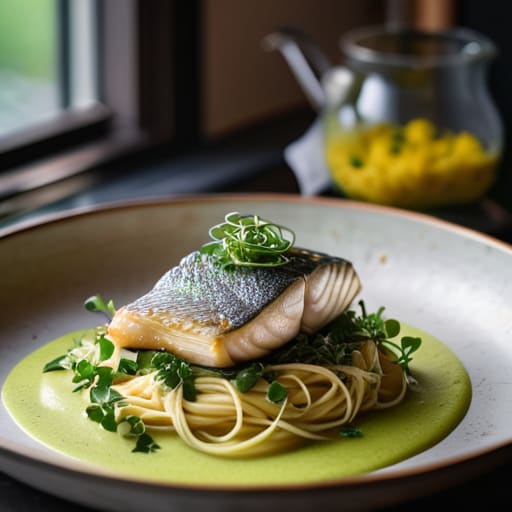
Most people think an ingredient cost analysis is just about checking the price of a kilo of sea bass against what you’re charging for the dish. It isn’t. If you’re only looking at the invoice, you’re missing the leak in the bucket. You have to account for the trim, the spoilage, and that half-bag of micro-greens that wilted in the fridge because the prep cook had a bad night. When you’re building a set menu, you aren’t just pricing a meal; you are trying to balance a scale. If your star ingredient is a high-cost protein, you need to offset it with something that costs pennies but feels like luxury—think a rich, seasonal vegetable puree or a handmade pasta.
You cannot rely on a generic food cost percentage calculation pulled from a textbook to save you. In a small room, your margins are paper-thin, and a single miscalculation on a seasonal ingredient can turn a profitable Tuesday into a loss. You have to understand how every gram of butter affects your restaurant profit margins over a month of service. If you don’t know the exact cost of every component on that plate, you aren’t running a business; you’re just running a very expensive hobby.
Why Food Cost Percentage Calculation Dictates Your Survival
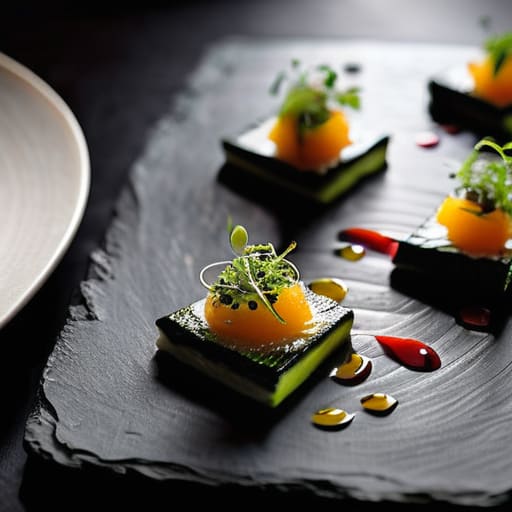
You can have the most talented chef in the city, but if your food cost percentage calculation is a work of fiction, you aren’t running a restaurant; you’re running a charity. I’ve seen owners stare at a beautiful plate of sea bass and feel a sense of pride, completely ignoring the fact that the margin on that dish is so thin it wouldn’t cover a single waiter’s tip. When you move to a set menu, that margin becomes your entire lifeline. You lose the ability to pivot on the fly, so your math has to be airtight before the first prep cook even touches a knife.
A set menu isn’t just about simplicity; it’s about controlling your restaurant profit margins through predictability. When you know exactly what is going into every single plate, you can stabilize your ordering and slash waste. But if you don’t account for the hidden spikes—the seasonal price of shallots or the sudden jump in dairy costs—that “fixed” price becomes a slow leak in your bank account. You aren’t just pricing a meal; you are pricing the certainty of your survival.
Five Ways to Price a Menu Without Losing Your Shirt (or Your Mind)
- Stop ignoring the “invisible” costs. When you’re calculating the price of that three-course set menu, don’t just look at the cost of the sea bass and the lemon. You have to account for the oil, the salt, the garnish, and the electricity it took to keep that oven running. If you don’t build a buffer for the things you can’t see, you’ll find yourself staring at a bank statement that doesn’t make sense at the end of the month.
- Design for the kitchen, not just the guest. A set menu is a tool to control your labor and your waste, so use it that way. If you pick five expensive, high-skill dishes that all require a different specialized sauce, you’re going to blow your labor budget and stress your chef to the breaking point. Price your menu around dishes that allow for prep-ahead efficiency; that’s how you keep your margins steady and your staff sane.
- Respect the psychology of the “anchor” dish. In a set menu, you usually have one star ingredient—the thing that makes people say “yes.” You might lose a few pennies on the steak to make up for the high margin on the risotto, but that’s fine. Just make sure your total price reflects the perceived value of that star, or people will feel like they’ve been had, and a guest who feels cheated never comes back.
- Build in a “buffer” for the volatility of the market. I spent years watching the price of butter or seasonal greens double overnight because of a bad harvest or a supply chain hiccup. If your set menu price is so thin that a 10% jump in ingredient costs puts you in the red, you haven’t priced a menu—you’ve priced a gamble. Give yourself enough breathing room to absorb a bad week without having to reprint your cards every Tuesday.
- Account for the “Service Gap.” A set menu is often sold because it promises speed and consistency, but that efficiency has a cost in terms of staff training and plating precision. If your menu is priced so low that you can’t afford to pay a waiter a living wage to actually explain the menu and look after the table, you’re just subsidizing the customer’s dinner with your staff’s dignity. Price for the service you actually want to provide, not the service you think you can get away with.
The Three Things That Actually Matter When You Sit Down With Your Calculator
Stop guessing your margins based on what the place down the street is charging; if you haven’t accounted for the fluctuating price of butter and the waste from a prep cook’s heavy hand, your “profit” is just an illusion on a piece of paper.
Your set menu isn’t just a culinary choice, it’s a labor management tool; use it to control your kitchen’s workload and minimize expensive, high-stress prep by choosing dishes that share components without sacrificing the quality your regulars expect.
Remember that a set menu must cover more than just the plate in front of the guest; it has to carry the weight of your overhead, from the electricity running the walk-in to the wage of the person cleaning the floors at midnight.
The Ghost in the Spreadsheet
“You can crunch the numbers on the sea bass and the micro-herbs until your eyes bleed, but if your set menu doesn’t account for the person standing in the kitchen at midnight scrubbing the pans, you aren’t running a restaurant—you’re running a charity that’s about to go bust.”
Rosalind Achterberg
The Bottom Line of the Plate
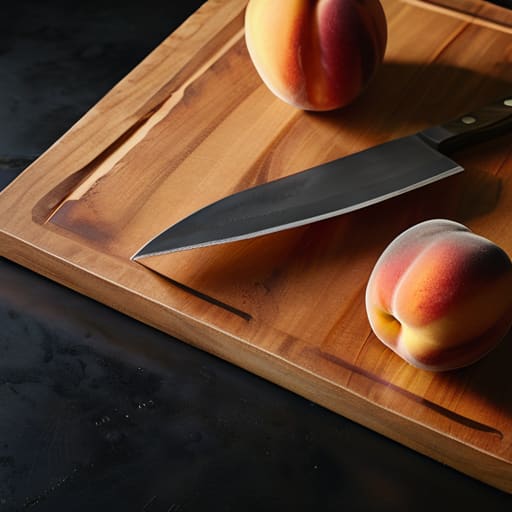
At the end of the day, pricing a set menu isn’t a creative exercise; it is a mathematical one. You cannot afford to treat your margins like a suggestion or your ingredient costs like an afterthought. If you haven’t accounted for the waste in the kitchen, the rising cost of the electricity running the ovens, or the fact that your head chef deserves a wage that doesn’t leave them living in their car, then your menu isn’t a masterpiece—it’s a slow-motion disaster. You have to look at the numbers with the same intensity you use to check the ripeness of a peach. Only when you master the brutal math of the prep list can you actually afford the luxury of being a chef.
I know it feels cold to sit there with a calculator when you’d rather be dreaming up new flavor profiles, but remember this: a profitable restaurant is the only kind that stays open to feed people. If you price yourself into the ground, you aren’t being “authentic” or “passionate”—you are simply closing your doors. Build your menu on a foundation of solid, sustainable economics, and you give yourself the greatest gift any restaurateur can have: the ability to do it all again tomorrow. Run your numbers tight so that you can cook with a clear conscience.
Frequently Asked Questions
If I’m running a tiny room with limited prep space, how do I balance a menu that looks generous to the customer without making my kitchen staff quit from the sheer complexity of it all?
You’re talking about the difference between a menu that looks big and a menu that is actually heavy. In a tiny kitchen, complexity is a slow-acting poison. If your prep list requires twelve different knife skills for one set menu, you aren’t running a kitchen; you’re running a marathon in a broom closet. Limit your components. Use one high-quality protein, two seasonal vegetables, and a sauce that can be made in one big batch. Generosity comes from depth of flavor, not the number of pans on the stove.
When is it actually time to raise the price of a set menu, and how do I do it without making my regulars feel like I'm suddenly squeezing them for every penny?
You raise the price when the math stops working, not when you feel like you’re making enough. If your margins are thinning because the price of butter or lamb has spiked, you can’t afford to be sentimental. Don’t sneak it in with fine print. Be direct. Tell your regulars: “To keep using this specific producer, we have to adjust the price.” People respect honesty; they resent being nickel-and-dimed by a menu that hasn’t changed in two years.
How much of a "buffer" should I actually build into my set menu pricing to account for the inevitable day the fishmonger hikes his prices or the electricity bill doubles?
You don’t build a “buffer” like it’s a cushion; you build it like it’s a life jacket. I always factored in a 5% contingency on top of my calculated food cost. If your sea bass jumps twenty percent because of a storm, or the electric company decides they need a new wing, that margin is the only thing keeping you from eating your own losses. Never price for the best-case scenario; price for the Tuesday when everything goes wrong.
