
 Written by
 I spent twenty-six years watching owners pour money into glossy loyalty cards and “VIP” gift vouchers, thinking that’s how you build a foundation. It’s nonsense. You don’t win people over with a plastic card that gives them ten percent off their twelfth bottle of Merlot; you win them over by remembering that Mr. Henderson likes his steak medium-rare and that he’s always sitting by the window because his eyesight isn’t what it used to be. If you’re looking for a marketing gimmick to solve your empty tables, you’re in the wrong place, but if you want to understand the actual, gritty mechanics of how to look after regulars, then we can talk.
I’m not here to give you a lecture on customer relationship management software or some expensive consultant’s theory on “client retention.” I’m going to tell you what it actually looks like when the kitchen is slamming, the wine cellar is low, and you still have to make that one person feel like they are the only guest in the room. I’ll share the mistakes I made—the ones that cost me real money and sleep—so you can learn how to build a dining room that people don’t just visit, but actually depend on.
Building Rapport With Frequent Customers Beyond the Free Drink
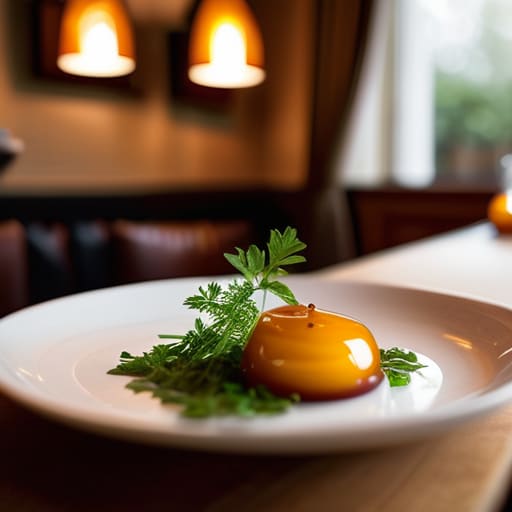
Everyone thinks they know how to reward repeat clientele, but they usually get it wrong. They think it’s about a punch card or a free glass of house white that costs them pennies but feels like a cheap bribe. If you want real results, you have to move past the transactional nonsense. True building rapport with frequent customers isn’t about what you give them for free; it’s about the fact that you remembered they hate coriander or that they only sit in the corner because the draft from the door makes their knees ache.
In my old sixteen-cover room, I didn’t need a complex software system for customer relationship management tips. I had a notebook and a memory. When a regular walked in, I didn’t just see a seat to fill; I saw a person who had helped me pay my electric bill by showing up every Tuesday. Personalized customer service is simply the act of proving you were actually paying attention when they were talking. If you treat your regulars like a line item on a spreadsheet instead of the people who keep your lights on, you’ll find yourself closing your doors by Christmas.
Personalized Customer Service the Cost of Getting It Right
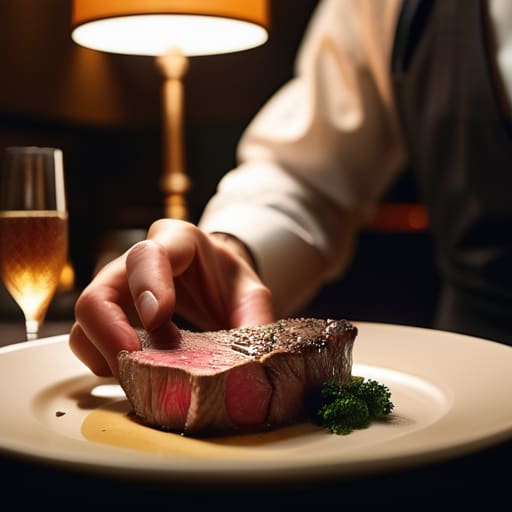
Everyone loves the idea of personalized customer service, but nobody talks about the sheer mental tax it levies on a kitchen and a floor team. It isn’t just about remembering that Mr. Henderson takes his steak medium-rare; it’s about the invisible labor of tracking that he’s allergic to shallots and that his wife prefers the corner booth because the draft from the door bothers her knees. In a small room, this kind of detail is your greatest asset, but if you try to automate it with clunky, impersonal customer loyalty programs that feel like a supermarket punch card, you’ve already lost the plot.
True personalization isn’t a digital notification; it’s a human one. It costs money to train a server to be observant rather than just efficient, and it costs even more in time to ensure that information actually makes it from the dining room to the pass. You aren’t just selling a meal; you are managing a delicate web of expectations. If you want real retention strategies for small business, stop looking for a software fix and start investing in staff who have the breathing room to actually listen.
The Unwritten Rules of the Regular: Five Ways to Keep the Lights On
- Memorize the small, non-negotiable things. If Mr. Henderson always wants his sparkling water with exactly two slices of lime and no ice, and you forget it, you haven’t just missed a detail—you’ve told him he doesn’t matter. Regulars aren’t looking for grand gestures; they are looking for the comfort of being known.
- Manage the “Special Request” trap. It is tempting to say yes to every whim of a loyal customer to keep them happy, but if a regular demands a dish that isn’t on the menu and you force your kitchen to prep it, you are burning out your chef and killing your margins. Learn to say, “We can’t do that tonight, but I can do this,” without making them feel like a nuisance.
- Watch the timing, not just the plate. A regular knows your rhythm. If you see them walk in, don’t just rush them a menu to get the turnover moving; they are often there for the sanctuary of your space as much as the food. If they are sitting alone, let them breathe. If they are a group, ensure they feel like the center of the room without being the target of a spectacle.
- Don’t let “complimentary” become a habit. There is a massive difference between a gesture of goodwill and a business model built on giving away your profit. If you give a free bottle of wine every time a regular visits, you aren’t building loyalty; you’re training them to wait for the handout. A small, unexpected treat is a gift; a constant discount is a leak in your hull.
- Protect your staff’s relationship with them. The worst thing a manager can do is step in and hijack the rapport a waiter has built with a regular. If your server knows their name and their preferred table, let them lead. When you interfere, you break the human connection that actually keeps that customer coming back, and you turn a personal relationship into a sterile transaction.
The Bottom Line: What Really Keeps the Lights On
Loyalty isn’t a marketing metric; it’s a relationship built on the small, invisible details—like remembering that a regular hates coriander or knows exactly which corner table is theirs—that turn a transaction into a habit.
Stop chasing the “new” at the expense of the “known”; a single loyal regular who visits twice a week is worth more to your food cost and your sanity than ten one-time tourists who only care about your Instagrammable decor.
Real service is about consistency, not grand gestures; your regulars aren’t looking for a free bottle of bubbly, they’re looking for the comfort of knowing that the kitchen, the staff, and the standard haven’t shifted since the last time they sat down.
The Real Cost of a Familiar Face
A regular isn’t a guaranteed paycheck; they are a relationship you have to earn every single time they walk through the door. If you start taking their presence for granted, you’ve already begun the process of losing them.
Rosalind Achterberg
The Bottom Line of Belonging
At the end of the day, looking after your regulars isn’t about a clever loyalty card or a free glass of house white that costs you fifty pence. It’s about the invisible labor of memory: remembering that Mr. Henderson prefers the corner table because of his hip, or that the Miller family won’t touch anything with garlic. It’s an investment in human capital that shows up on your balance sheet when the economy takes a dip and the tourists stop coming. If you treat your regulars as a mere line item on a spreadsheet instead of the very heartbeat of your dining room, you’ll find yourself closing your doors by Christmas.
Running a restaurant is a grueling, beautiful, expensive madness, and you cannot do it alone. You need people who walk through your doors not just because the food is good, but because they feel seen the moment they cross the threshold. When you get this right, you aren’t just selling plates of food; you are building a community that will help you weather the storms. So, keep your eyes on the floor, keep your ears open, and remember that loyalty is a debt you pay in attention, not just discounts. It’s the hardest work you’ll ever do, but it’s the only work that truly matters.
Frequently Asked Questions
At what point does "remembering a name" cross the line into being intrusive or creepy for a customer who just wants a quiet corner?
It’s a fine line, and if you cross it, you’ve failed the service. There is a massive difference between knowing a guest’s name and acting like you’ve been keeping a dossier on them. If they’re sitting in a corner with a book and a glass of red, they aren’t looking for a performance; they’re looking for invisibility. Use the name to confirm a booking or a preference, then step back. Let the silence be the service.
How do you balance the books when your most loyal regulars start expecting "the usual" freebies as a right rather than a gesture?
You have to remember: a gesture is a gift; a “right” is a line item. Once they expect it, it’s no longer hospitality, it’s just an unrecorded cost. I used to handle this by being surgical. If a regular pushes, I’d pivot to something small and high-margin—a tiny plate of something off-menu—rather than the expensive bottle of red they’ve come to expect. It maintains the warmth without bleeding your margins dry.
How do you train a new, twenty-year-old server to handle a regular who treats the restaurant like their own living room?
You don’t train them on “customer service”; you train them on boundaries. I used to tell my staff: “You are the host, not the peer.” Sit them down and explain that a regular’s familiarity is a privilege, not a license to skip the service ritual or ignore other tables. Teach them the ‘polite pivot’—how to acknowledge the joke or the story without letting it derail the entire dining room’s rhythm.
