 Written by
 I’ve sat at enough dining room tables to know that half the “theatre” in fine dining is just expensive nonsense designed to make you feel small. You see a waiter glide over with a heavy crystal carafe, performing some choreographed dance, and you’re told it’s essential, but most of the time, it’s just fluff. People get so caught up in the pretension that they forget the actual mechanics of how decanting works—it isn’t about the price of the glass or how much oxygen you can splash around; it’s about whether that bottle is actually ready to be enjoyed or if it’s just hiding behind a wall of sediment and closed-off tannins.
I’m not here to teach you the etiquette of the pour or how to look sophisticated in a white tablecloth setting. I want to tell you what happens on the other side of the pass when a bottle is truly struggling. I’ll explain the real reasons we reach for the decanter—from clearing out the grit that ruins a swallow to waking up a wine that’s gone dormant—without any of the useless hype. By the time we’re done, you’ll know exactly when to use one, and more importantly, when to skip it entirely.
The Science of Air Mastering the Wine Oxidation Process
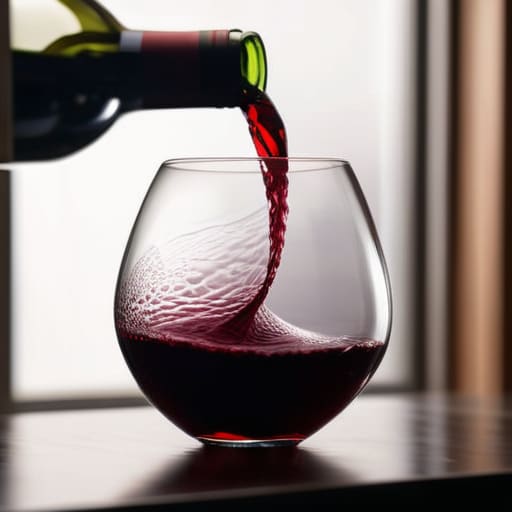
People love to talk about the “magic” of the decanter, but in my kitchen, we called it chemistry. When you pour a wine into a wide-bottomed vessel, you aren’t just performing a bit of theater for the guests; you are initiating the wine oxidation process. It’s a delicate dance. Too little air and the wine remains tight, closed off, and stubbornly silent; too much, and you’ve essentially turned a fine Bordeaux into vinegar before the appetizers have even cleared the table. It’s about finding that sweet spot where the oxygen interacts with the liquid to lift the heavy, dormant scents.
The real goal here is improving wine aroma by unlocking the volatile compounds trapped in the bottle. For those heavy, structured reds that have spent a decade in a dark cellar, the primary benefit is a much-needed tannin softening technique. Oxygen helps round off those aggressive, sandpaper edges that can make a young vintage feel unapproachable. You aren’t changing the wine’s soul; you’re just helping it wake up and introduce itself properly.
Separating Wine From Sediment to Save the Pour
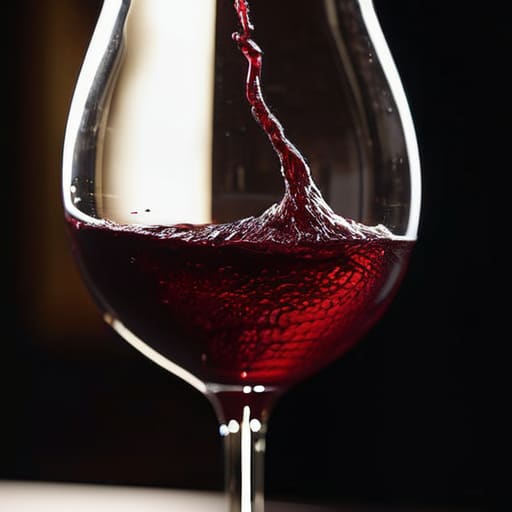
If you’ve ever pulled a cork from an old, heavy Bordeaux only to find a dark, gritty sludge swirling at the bottom, you know the panic of a ruined evening. That sediment isn’t a mistake; it’s just the wine’s history settling into the glass. But if you pour it straight, you aren’t just serving grit—you’re serving a bitter, astringent mess that masks the very fruit you paid for. Separating wine from sediment is the real, practical reason we use a decanter in the first place. It isn’t about the theater of the glass carafe; it’s about the surgical precision of the pour.
In my dining room, I taught my staff that you don’t just tilt the bottle; you watch the neck like a hawk. You use a candle or a small light to illuminate the shoulder of the bottle, stopping the moment that cloud of silt reaches the rim. It’s a slow, steady process, but it’s the only way to ensure the liquid in the glass is clean. When you get it right, you aren’t just filtering out debris; you are protecting the integrity of the vintage so the guest actually tastes the wine, not the dust.
Five Rules for the Table (Because Nobody Wants a Mess)
- Don’t let the bottle sit in the cellar for three days before you plan to open it; if you’re decanting to let a tight Cabernet breathe, it needs that time to actually do its job, not just sit there looking pretty on the sideboard.
- Watch the light, not the clock; use a candle or a small torch under the neck of the bottle when you’re pouring to see exactly when the sediment hits the shoulder, otherwise you’ll end up pouring a mouthful of bitter sludge into your guest’s glass.
- Stop treating the decanter like a trophy; if you’re pouring a delicate, old Burgundy, don’t splash it around like you’re at a frat party—you’re trying to introduce it to oxygen, not drown it in it.
- Check your temperature before you commit; there is nothing more heartbreaking than decanting a massive, expensive red only to realize it’s sitting at room temperature in a kitchen that’s eighty degrees, turning a beautiful wine into something flabby and unpleasant.
- Remember that decanting is a service, not a performance; if the wine is young and bright, don’t make a production out of it—just pour it, let it settle, and get on with the conversation.
The Bottom Line on the Decanter
Don’t mistake decanting for theater; it’s a practical tool used to fix a wine’s structure or keep the grit out of your glass, and if a bottle doesn’t need it, don’t force it just to look the part.
Timing is everything—if you pour a delicate white too early, you’re essentially bruising it, whereas a heavy red needs time to wake up before the first sip hits the table.
A good decanting ritual is about respect for the liquid and the guest, ensuring that by the time the bottle reaches the table, the wine is actually ready to perform rather than just sitting there looking pretty.
The Truth About the Carafe
People think decanting is some grand theatrical gesture meant to impress the person sitting across from them, but in a real dining room, it’s a practical necessity. You aren’t just ‘aerating’ a liquid; you are giving a stubborn, tightly wound wine the ten minutes of grace it needs to actually open up and stop tasting like a closed fist.
Rosalind Achterberg
The Final Pour
At the end of the day, decanting isn’t some high-flown performance designed to make a sommelier feel important or to justify a markup on the bill. It is a practical, necessary tool for managing the life cycle of a bottle. Whether you are fighting through a layer of bitter sediment that would otherwise ruin a perfectly good glass, or you are simply trying to coax a tight, closed-off Cabernet into something approachable, the goal remains the same: respect for the liquid. You need to understand the timing of the air and the physicality of the pour to do it right. If you rush it, you lose the nuance; if you neglect it, you lose the wine entirely.
I spent decades watching people overcomplicate the simplest things in my dining room, but I always had a soft spot for a guest who took the time to do things properly. There is a quiet, understated dignity in the ritual of it all. Don’t let the fancy glassware or the technical jargon intimidate you into thinking you can’t do it at your own kitchen table. You don’t need a white tablecloth to appreciate a wine that has been given the chance to breathe. Just remember that the best way to drink a fine wine is to treat it with the same unhurried intention you would give to a dear friend.
Frequently Asked Questions
If I’m drinking a cheaper bottle that isn't going to age for ten years, am I just wasting time and glassware by decanting it?
Not necessarily, but don’t go overboard. If it’s a young, tight red, it needs ten minutes of air to stop tasting like a closed fist. That’s not a waste; it’s a rescue mission. But if it’s a cheap supermarket blend that’s already peaked, decanting won’t perform miracles—it’ll just make it go stale faster. Use your head: if the wine has no soul to awaken, just pour it and enjoy the company.
How much time do I actually need to give a bottle to breathe before it's ready, and how do I know when it's hit its peak?
The truth is, there is no stopwatch, and any waiter who tells you “exactly one hour” is selling you a script. A light Pinot Noir might be ready in twenty minutes, while a heavy, tannic Cabernet could sit there for two hours and still taste like a closed fist. Don’t look at the clock; look at the glass. Take a sip. If it’s still tight and aggressive, give it another thirty. If the aromas start blooming, you’ve hit the sweet spot.
Does decanting really make a difference for white wines and rosés, or is that just something people do to feel fancy at a table?
Most people think decanting is just a bit of theater to justify a higher bottle price, and for whites and rosés, they aren’t entirely wrong. For a heavy, oaked Chardonnay, a little air can soften those aggressive woody edges. But for a crisp, zesty Sauvignon Blanc? You’re just inviting oxygen to kill the very brightness you paid for. Unless the wine is old or oddly closed, keep it in the bottle and keep it cold.
