 Written by
 If you think learning how to explore a local food scene means scrolling through endless feeds of deconstructed foam and gold-leafed burgers, you’ve been lied to by people who have never had to balance a weekly till. I’ve spent twenty-six years behind a pass, and I can tell you that the most vibrant culinary heartbeat of a city isn’t found in a place with a dedicated lighting designer; it’s usually tucked behind a heavy door in a side street where the menu is short because the owner actually cares about the quality of the produce. Most people chase the hype, but hype is just a way to mask a high rent and a thin soul.
I’m not here to give you a list of “must-visit” spots that are only famous because they’re photogenic. Instead, I want to show you how to look for the real indicators of quality—the things that matter when the cameras are off and the staff is exhausted. I will teach you how to read a menu like a business owner, how to spot a kitchen that is actually breathing, and how to find those rare, honest gems that make a city worth living in. This isn’t about being a critic; it’s about knowing what you’re actually paying for.
Chasing Authentic Culinary Experiences Instead of Tourist Traps
If you want to find the real heart of a city, stop looking for the restaurant with the laminated menu and the neon sign flashing “Traditional Food” in three different languages. Those places aren’t selling culture; they are selling convenience to people who are too tired to look any further. A real tourist trap is a business that has optimized itself for the high turnover of people who will never come back. They don’t care about the quality of the oil or the provenance of the protein because they don’t need your loyalty—they just need your credit card before your flight leaves.
To find authentic culinary experiences, you have to look for the places that are slightly inconvenient. I’m talking about the spots where the menu is small because they can only source what is fresh that morning, or the tiny stalls where the street food culture is dictated by what the local market brought in at dawn. Look for the places where the staff seems a bit too busy to be performative. When a restaurant is actually rooted in its neighborhood, they aren’t performing for you; they are feeding their own. That’s where the soul is.
Why Street Food Culture Reveals the Citys True Pulse
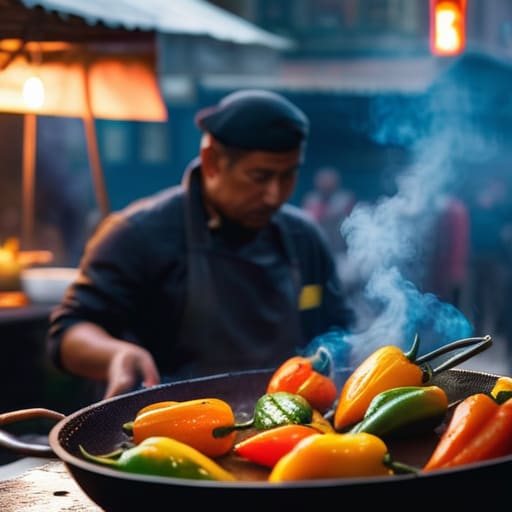
If you want to understand the real economics of a city, skip the white tablecloths for an evening and head straight for the stalls. Street food culture isn’t just about cheap eats; it’s a high-speed masterclass in efficiency and survival. In my old dining room, I spent half my life worrying about food waste and prep times, but a vendor working a sidewalk stall has no such luxury. They are operating on razor-thin margins, often using nothing but seasonal local ingredients because they simply can’t afford to store anything that isn’t moving out the door by sunset.
When you eat at a stall, you aren’t paying for the linen or the expensive lighting rig; you are paying for the skill of the hands making the food. You see the raw truth of the kitchen without the polished veneer of a front-of-house manager. It’s where you find the true pulse of a neighborhood, because these vendors are the ones who actually feed the people who keep the city running. If you want to find the real heart of a place, look for the line of locals standing on a street corner—that’s the only review that actually matters.
The View from the Pass: How to Actually Find the Good Stuff
- Stop looking at the lighting and start looking at the staff. If the servers look like they’re auditioning for a fashion show, they’re probably more concerned with the vibe than the prep list. Look for the place where the staff moves with a certain quiet, weary efficiency; that’s the sign of a kitchen that actually knows how to manage a service without collapsing into chaos.
- Read the menu for what it isn’t. A massive, twenty-page book is usually a sign of a kitchen trying to please everyone and succeeding at pleasing no one—it’s a procurement nightmare that leads to wasted stock and mediocre ingredients. A tight, focused menu tells you the owner has the courage to say ‘no’ to certain dishes, which means they have the resources to say ‘yes’ to the best ones.
- Follow the lunch crowd, not the dinner hype. If a place is packed with locals at 1:00 PM on a Tuesday, they have something right. Lunch is where the margins are thin and the consistency has to be high just to keep the lights on; if they can nail a midday service, they have the discipline required to handle a Friday night rush.
- Learn to value the ‘invisible’ service. Everyone raves about the waiter who performs a theatrical table-side flourish, but I always looked for the one who was there exactly when the water ran low, but never when I was mid-sentence. Good hospitality is about rhythm and anticipation, not performance, and you can spot the pros by how little they interrupt your conversation.
- Don’t fear the ‘No Reservations’ sign. Some of the best dining experiences I ever had—and the most profitable ones I ever ran—were the small, high-turnover spots that didn’t take bookings. It forces a certain kind of honesty; you can’t hide a bad reputation behind a month-long waiting list. If people are willing to stand on a sidewalk for twenty minutes to get a seat, it’s because the food is actually worth the inconvenience.
The Real Way to Read a Neighborhood
Stop looking for the most polished menus and start looking for the most consistent ones; a restaurant that can keep its core ingredients fresh and its staff steady is a place that actually understands its own margins.
Watch how the staff treats the people who aren’t paying; if the kitchen is dismissive of the delivery driver or the dishwasher, they’ll eventually be dismissive of you, too.
Learn to value the “invisible” quality—the waiter who anticipates your water refill without a performance, or the owner who isn’t on TikTok because they’re too busy checking the stock levels in the walk-in.
The Truth Behind the Table
Stop looking for the restaurant with the most expensive lighting and start looking for the one with the most consistent staff; if the same faces have been carrying the trays for three years, you aren’t just buying a meal, you’re eating the stability of a business that actually knows how to survive.
Rosalind Achterberg
The View from the Other Side of the Pass
At the end of the day, exploring a food scene isn’t about ticking off a checklist of the most “Instagrammable” spots or following a trend that was born on a smartphone screen. It is about looking past the glossy marketing to see the actual mechanics of the room. Whether you are standing on a street corner eating something wrapped in paper or sitting in a quiet bistro, you are participating in a delicate economic dance. You’ve learned to look for the street food that tells the real story of the people, and you’ve learned to avoid the traps that prioritize spectacle over substance. Remember that every time you choose a local gem over a global chain, you are providing the oxygen that keeps a small business breathing for one more season.
So, leave the guidebooks in your bag and trust your instincts more than a five-star rating. Go to the places that look a little worn around the edges, the ones where the staff seems to know each other’s rhythms, and the ones where the menu is short because the chef knows exactly what they can do well. The best way to truly understand a city is to eat like you belong there, not like you are just passing through. Don’t just consume the culture; respect the labor that goes into every plate, and you will find that the most delicious meals are the ones that taste of honesty and hard work.
Frequently Asked Questions
How do I tell the difference between a restaurant that’s genuinely local and one that’s just using "authentic" as a marketing buzzword to hike up the prices?
Look at the menu, not the decor. A place using “authentic” as a crutch usually has a sprawling, over-ambitious list that tries to please everyone and ends up feeding no one. A real local spot has a focused menu—maybe even a short one—because they know exactly what their suppliers can deliver each morning. If the staff can’t tell you where the lamb came from or why the sauce is made that way, they’re just reading a script.
If I want to avoid the tourist traps, what are the actual signs—not just the ones in guidebooks—that a place is actually serving its neighborhood?
Look for the “unseen” signs. If the menu is a single, laminated sheet—not a glossy book with pictures—you’re on the right track. Watch the staff; if they aren’t performing a rehearsed script for every newcomer, but are instead having brief, shorthand conversations with regulars, that’s your signal. Most importantly, check the lighting and the noise. A place serving its neighborhood doesn’t feel like a stage set; it feels like a living room that happens to have a kitchen.
Is it worth seeking out the tiny, single-room spots that don't have a website, or am I just asking for a bad experience and a long wait?
It’s a gamble, but it’s usually the best one you’ll take. Those places don’t have websites because the owner is too busy prep-cooking or arguing with a supplier to manage a digital presence. They aren’t hiding; they’re working. You might wait, and you might get a table that’s a bit too close to the kitchen door, but you’re paying for the food, not the marketing budget. That’s where the real magic—and the real margins—live.
