
 Written by
 I’ve seen it a dozen times: a bright-eyed chef with a brilliant concept and a massive loan, falling head-over-heels for a storefront with floor-to-ceiling windows and marble counters in a district that’s all fashion and no hunger. They spend their entire budget on the aesthetic of the entrance before they’ve even considered the logistics of a delivery bay or the foot traffic at 2:00 PM on a Tuesday. Learning how to choose a restaurant location isn’t about finding the most Instagrammable corner of the city; it’s about finding the place where the math actually works. A beautiful dining room is just a very expensive way to sit in silence if you’ve picked a street that’s dead by sunset.
I’m not here to give you a glossy brochure or a lecture on “demographic synergy.” I’m going to tell you what I learned during twenty-six years of staring at my bank statements and my empty tables. We are going to talk about the unsexy realities—the hidden costs of plumbing, the nightmare of poor visibility, and why a slightly dingy corner might actually be your best friend. I’ll show you how to look past the paint and see the bones of a business that can actually survive its first year.
Demographic Analysis for Restaurants Who Is Actually Paying

You can have the most exquisite sourdough in the county, but if you’re serving it to a neighborhood of students living on ramen and sheer willpower, you’re just running a very expensive charity. When I was looking at my numbers every Tuesday morning, I wasn’t just looking at what we sold; I was looking at who lived within a three-mile radius. A proper demographic analysis for restaurants isn’t about reading a glossy report from a marketing firm; it’s about knowing if your neighbors have the disposable income to justify your price point and, more importantly, the time to sit down and spend it.
I’ve seen too many bright-eyed chefs pick a spot because they loved the “vibe,” only to realize they’d moved into a ghost town after 8:00 PM. You have to look at the lifecycle of the street. Are these young professionals who want a quick, high-quality midweek meal, or families who need high chairs and a menu that doesn’t require a degree in French to decipher? If you don’t understand the rhythm of the local wallet, you’ll find yourself staring at a dining room full of empty chairs and a bank balance that’s leaking faster than a cracked sous-vide bath.
Commercial Real Estate for Food Service Avoiding the Money Pit

When you’re looking at commercial real estate for food service, don’t let a polished agent blind you with talk of “up-and-coming neighborhoods.” I’ve seen too many bright-eyed owners sign a lease on a stunning corner unit only to realize the rent is a predator that will eat their margins before they even buy their first crate of tomatoes. You aren’t just renting four walls; you are pre-paying for your survival. Before you sign anything, you need to look past the aesthetic and scrutinize the hidden infrastructure costs. Is the grease trap up to code? Is the electrical panel capable of running three ovens and a walk-in without tripping every twenty minutes? If the landlord hasn’t been clear about these things, they aren’t being helpful—they’re being expensive.
Then there is the matter of visibility and signage importance. You can have the most exquisite menu in the city, but if you’re tucked into a side street where people only go when they’re looking for something specific, you’re relying entirely on marketing to stay alive. I always tell people: foot traffic is the only free advertising you get. If you have to pay for every single person who walks through that door, your math is going to be a nightmare.
The Invisible Math: Five Things the Broker Won't Tell You
- Check the loading bay before you sign the lease. If your delivery driver has to fight for a spot on a narrow residential street or haul crates of heavy produce through a crowded pedestrian mall, your labor costs will bleed you dry before the first appetizer leaves the pass.
- Don’t mistake “foot traffic” for “customer traffic.” A thousand commuters rushing toward a train station at 5:30 PM are just a blur of people who don’t want to sit down; you need people who have nowhere else to be and a reason to linger.
- Scope out the neighbors’ trash. If the place next door is a high-volume takeaway that leaves greasy boxes piling up in the alley, you’ll be fighting a losing battle against smells and pests that no amount of expensive air filtration can fix.
- Test the “Tuesday Night Rule.” Visit your potential site on a rainy Tuesday at 8:00 PM, not a sunny Saturday at noon. If the street looks like a graveyard when the hype dies down, you’ll never find the steady, mid-week revenue that keeps a business solvent.
- Map the accessibility of your “regulars.” A location that’s easy for a trendy twenty-something to find on a map might be a nightmare for the older, wealthier crowd who actually has the disposable income to sustain a sixteen-cover dining room through a slow season.
The Hard Truths of the Lease and the Local
Don’t mistake a high-traffic corner for a high-profit corner; a street full of tourists is useless if they only spend ten pounds on a quick sandwich while your overheads demand a three-course dinner.
Your lease is a marriage, not a trial run, so stop looking at the aesthetic of the molding and start looking at the fine print regarding repairs, break clauses, and who actually pays when the roof decides to give up.
A “good” neighborhood is a moving target, so look past the current trendy coffee shops and find the place where people actually live, work, and—most importantly—have a reason to stay out after the sun goes down.
The Trap of the Pretty Window
Don’t let a high ceiling and a bit of character blind you; a beautiful dining room is just an expensive stage for a play that won’t sell tickets if the people walking past your door aren’t the ones who can actually afford your wine list.
Rosalind Achterberg
The Final Math of the Map
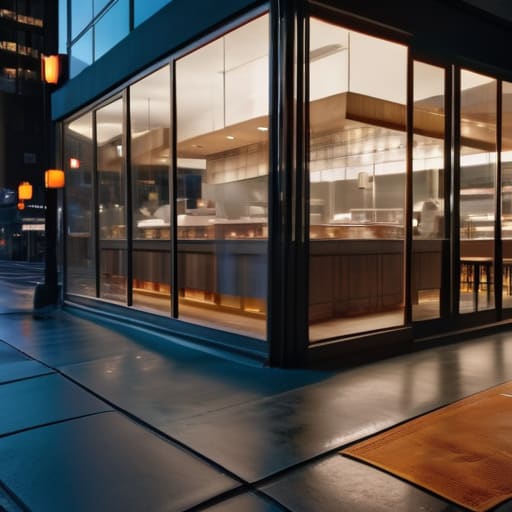
At the end of the day, choosing a location isn’t about finding a “vibe” or a street with the right aesthetic; it is about the brutal, unglamorous intersection of foot traffic and math. You have to look past the fresh paint and the trendy neighbors to see if the people walking past your door actually have the disposable income to match your menu prices. If you ignore the demographic reality or sign a lease that eats forty percent of your projected revenue before you’ve even bought a single sauté pan, no amount of culinary genius will save you. A restaurant is a delicate machine, and your location is the foundation upon which every single gear turns.
I know it’s tempting to let your heart lead the way—to pick that charming little corner unit because it feels “right”—but please, let your spreadsheet lead the way instead. You can always change a menu, you can always retrain a waiter, and you can always fix a broken oven, but you cannot move a building. Build your dream on solid ground, not on a whim. If you do the hard, boring work of vetting your site now, you might actually get to do what you love most: serving dinner, year after year, without the constant, gnawing fear of the rent collector knocking at the door.
Frequently Asked Questions
How do I know if the foot traffic I’m seeing on a sunny Saturday afternoon is actually going to turn into paying customers on a rainy Tuesday?
You don’t. That’s the trap. Sunny Saturdays are a lie told by real estate agents; they show you the parade, not the pulse. To find the truth, you have to sit there on a miserable, grey Tuesday afternoon and watch who actually walks past. Are they rushing to a train station with their heads down, or are they the type who linger? If they aren’t stopping for a coffee or a newspaper, they won’t stop for your duck confit.
If I find a place with perfect visibility but a tiny kitchen, is it worth the cost of a structural renovation or should I walk away?
Don’t let a beautiful window fool you; a tiny kitchen is a slow death sentence. You can have all the foot traffic in the world, but if your line is cramped, your ticket times will explode and your staff will burn out by month three. Unless the renovation budget is already baked into your loan and the structural work won’t require tearing out the very charm that drew you to the space, walk away. A big dining room with a small kitchen is just a very expensive way to disappoint people.
How much should I actually be setting aside for the "hidden" costs of a new lease, like business rates, service charges, and those inevitable plumbing surprises?
If you haven’t budgeted for the “invisible” drains on your bank account, you aren’t planning a business; you’re planning a fantasy. Take your rent and add 20% immediately for business rates and service charges—they’ll bite you harder than you expect. Then, keep a separate “disaster fund” of at least £5,000 just for the plumbing and electrics. In an old building, a burst pipe isn’t an inconvenience; it’s a three-day closure that eats your profit alive.
