
 Written by
 I once sat in a dining room that looked like a million dollars—all brushed brass, velvet banquettes, and designer lighting—but I couldn’t hear a single word my companion said. We spent the entire meal shouting over a soundtrack that was clearly trying too hard to be “vibey,” and by the time the check arrived, I didn’t want to order dessert; I just wanted to go home and sit in a quiet room. Most consultants will try to sell you on expensive acoustic panels or “curated soundscapes” to fix this, but they completely miss the point of how to manage noise and atmosphere in a way that actually serves the guest. They treat it like a design problem, when in reality, it is a fundamental service failure that eats your margins by killing your second round of drinks.
I’m not here to talk to you about interior design trends or the latest Spotify playlists. I want to talk about the mechanics of a room that breathes. I’m going to show you why a heavy curtain or a strategically placed rug matters more than a fancy speaker system, and how to balance the energy of a crowd without turning your dining room into a cacophonous headache. This is about the practical, hard-won reality of keeping your guests comfortable enough to stay for one more glass.
Acoustic Treatment Solutions Why Your Hardwood Floors Are Costing You Custo
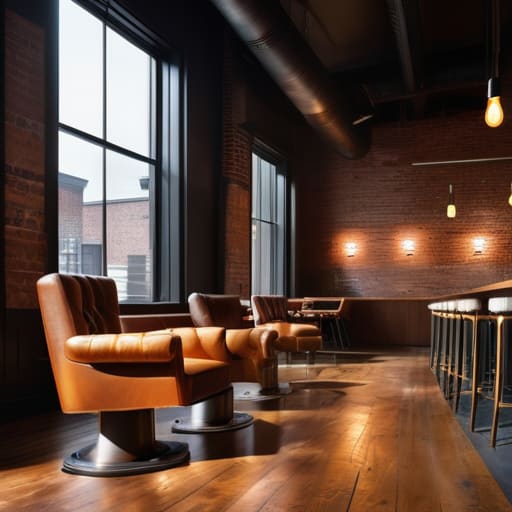
I see it every time I sit at a new bar: beautiful, gleaming hardwood floors and high, exposed ceilings that look marvelous in a photoshoot but act like a megaphone for every clatter of a fork. People fall in love with the aesthetic of “industrial chic,” but they forget that hard surfaces are the enemy of a long evening. When every scrape of a chair and every burst of laughter bounces off the walls, you aren’t creating a vibe; you’re creating a battlefield. You might think you’re selling elegance, but you’re actually delivering a headache that ensures your guests will leave just as they’re getting comfortable.
Investing in proper acoustic treatment solutions isn’t about hiding things behind heavy velvet curtains—though a bit of fabric never hurt—it’s about sensory experience optimization. If you want people to stay for that second bottle of wine, you need to soften the blow. This might mean heavy-duty rugs under the booths or even subtle acoustic panels tucked into the ceiling design. It’s a line item on the budget that most new owners overlook in favor of expensive plates, but I promise you, a guest will forgive a chipped saucer long before they forgive a room that makes them shout to be heard.
Auditory Comfort in Public Spaces the Silent Killer of Long Table Dwell Tim

I’ve spent many an evening watching a table of four order a second bottle of red, only to see them glance at each other, check their watches, and hurry the bill. They didn’t leave because the food was subpar; they left because they couldn’t hear the person sitting directly across from them. When you neglect auditory comfort in public spaces, you aren’t just dealing with a bit of chatter; you are actively cutting your own profit margins. Every time a guest has to lean in and strain to catch a sentence, their physiological stress levels rise. They stop relaxing, and once they stop relaxing, they stop lingering.
It isn’t just about the decibel level; it’s about the quality of the sound. A room that rings like a bell makes every clink of a fork feel like a gunshot. To truly master sensory experience optimization, you have to realize that silence isn’t the goal—controlled texture is. You want a soft, cushioned hum that swallows the sharp edges of a busy kitchen or a slamming door. If you don’t invest in the right dampening, you aren’t running a dining room; you’re running a waiting room where nobody wants to stay.
Five Ways to Stop Your Dining Room From Sounding Like a Construction Site
- Stop treating your playlist like a personality trait. Background music isn’t there to be the star of the show; it’s there to fill the gaps between the clatter of cutlery and the hum of conversation. If your guests are nodding along to the beat, you’ve failed. If they can’t hear their partner without leaning in like they’re sharing state secrets, you’ve failed harder.
- Watch your lighting with a hawk’s eye. You can have the most expensive velvet banquettes in the city, but if you’re running them under bright, clinical LEDs, people will eat quickly and leave. Dim the lights as the service progresses. It signals to the brain that the rush is over and it’s time to settle in, which—crucially for your bottom line—encourages that second bottle of wine.
- Mind the “clatter factor” in your service style. I’ve seen young servers drop heavy ceramic plates onto hard surfaces or bang stainless steel pans like they’re auditioning for a percussion troupe. It’s not just about being “energetic”; it’s about the physical impact of sound. Train your staff that a quiet, controlled service is just as important as the food being hot.
- Don’t ignore the drafty door. Every time a guest walks in or out, you’re letting in a gust of street noise and a sudden temperature drop that breaks the spell of the room. A heavy, well-fitted door isn’t a luxury; it’s a sound barrier that keeps the intimacy of your dining room intact and prevents the “whoosh” of the outside world from ruining a quiet moment.
- Check your floor plan for “echo pockets.” You might think a wide-open floor plan looks modern and airy, but without strategic placement of soft surfaces—even something as simple as heavy linen napkins or upholstered chairs—you’re just creating a canyon for sound to bounce around in. A room that feels “empty” is often just a room that’s too loud to be comfortable.
The Bottom Line on Sound and Space
Don’t mistake a “buzz” for energy; if your guests are leaning across the table just to hear their partners, they aren’t enjoying the meal, they’re enduring it, and they won’t be coming back for a second round.
Every hard surface you install for “aesthetic” reasons is a financial liability if it reflects sound instead of absorbing it, because a room that hurts the ears is a room that kills your dessert and coffee sales.
Atmosphere isn’t a vague feeling you conjure with dim lights; it’s the calculated management of how much effort a guest has to exert to exist in your space, and the less they have to struggle, the more they’ll spend.
The Myth of the 'Buzzing' Room
People love to use the word ‘lively’ to mask a room that’s actually just deafening. There is a massive, expensive difference between a dining room that hums with energy and one where your guests are working harder to hear their partners than they are to enjoy their meal; one feels like an occasion, the other just feels like a chore you can’t wait to finish.
Rosalind Achterberg
The Bottom Line of the Room

At the end of the day, managing your atmosphere isn’t about buying expensive designer lighting or picking a trendy playlist; it’s about the physics of how people interact in the space you’ve built. If you’ve ignored the way your polished concrete floors bounce sound like a drum, or if you’ve let the music swell just to hide a lack of conversation, you are effectively taxing your guests’ patience. You can serve the most exquisite turbot in the city, but if a patron has to strain their vocal cords just to ask for the wine list, they won’t come back. Remember that every hard surface and every poorly placed speaker is a silent drain on your revenue, turning a potential regular into a one-time visitor who simply found your room too exhausting to endure.
Running a restaurant is a constant, exhausting balancing act between the beauty of the plate and the brutal reality of the P&L. But when you get the atmosphere right—when the acoustics allow for intimacy and the lighting makes a person feel seen but not exposed—you create something much more valuable than a mere dining room. You create a sanctuary. It takes work, and it takes a bit of investment, but protecting the comfort of your guests is the most fundamental business decision you will ever make. When the room feels right, the rest of the service tends to follow.
Frequently Asked Questions
If I can't afford a full renovation with acoustic panels, what are the small, cheap ways to soften a room without ruining the aesthetic?
Look, I’ve been in rooms where the budget for “decor” was exactly what was left over after the meat invoice was paid. You don’t need expensive designer panels. Start with the basics: heavy, floor-to-ceiling curtains can swallow a roar, and even a few well-placed bookshelves or some thick, textured wall hangings do more than a fancy light fixture ever will. Throw some more weight into your upholstery, too. Softness is cheap; silence is an investment.
How do I find that sweet spot between a lively, buzzing atmosphere and a room that feels like a construction site?
It’s about the threshold of effort. A “buzz” is when guests feel energized by the energy of others; a “construction site” is when they have to exert physical effort just to hear their partner. You find the sweet spot by managing the bounce. If you have hard surfaces, you need soft ones to catch the spill. I always looked at the ceiling—if it’s bare plaster, you’re inviting a headache. Aim for energy, not exhaustion.
At what point does the music stop being "ambience" and start becoming a way to mask a poorly designed room?
It stops being ambience the moment your guests start leaning in to hear each other. If you’re cranking the volume to drown out the clatter of cutlery or the roar of a room with too much glass and tile, you aren’t “setting a mood”—you’re hiding a structural failure. Music should sit underneath the conversation like a polite guest, not fight it like a rival. If the playlist is doing the heavy lifting for your acoustics, you’ve already lost.
