 Written by
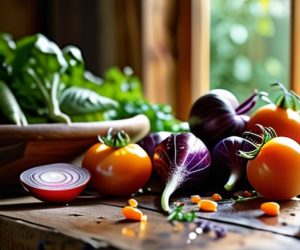
 I’ve sat through enough tasting menus to know that when a chef starts waxing poetic about “farm-to-table” while serving you a tomato in the middle of a January frost, they’re selling you a fairy tale, not food. It’s a performance designed to justify a markup that neither of us actually wants to pay. People talk … Continue reading “why Your Chef Is Fighting for the Benefits of Eating Seasonal Local Produce (and Why Your Palate Will Finally Thank Them)”
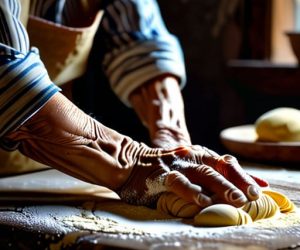
I spent twenty-six years watching chefs try to sell “authentic” truffle-infused ravioli to tourists for thirty pounds a plate, acting as if they’d discovered something profound. It’s a lie, usually. Most of these high-end menus treat the history of regional pasta traditions like a fancy marketing brochure, scrubbing away the dirt and the desperation that … Continue reading “Stop Romanticizing the Bowl: Why the History of Regional Pasta Traditions Is Actually a Story of Survival, Scarcity, and the Brutal Economics of the Italian Kitchen.”
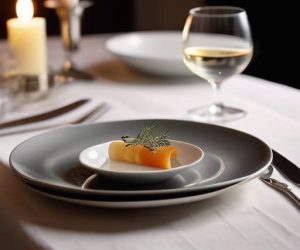
Most people think that getting “tips for dining at fine restaurants” means learning which fork to use or how to decipher a wine list that reads like a Latin poem. They spend their evenings worrying about whether they look like they belong, while the actual magic—and the actual cost—is happening entirely behind the scenes. I … Continue reading “the Unspoken Etiquette of the Industry: Real Tips for Dining at Fine Restaurants Without Breaking the Business Behind the Plate”
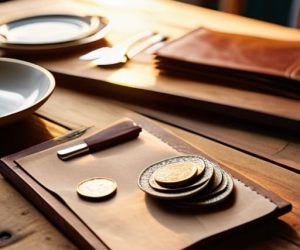
I once watched a table of six sit in a heavy, suffocating silence for ten minutes after the dessert plates were cleared, all because they couldn’t decide how to split a bill fairly without someone feeling slighted. They were staring at a piece of paper like it was a legal deposition, while my server stood … Continue reading “Splitting the Bill Without Anyone Feeling Robbed”

I’ve sat on both sides of the pass, and if there’s one thing I’ve learned, it’s that most people approach a professional lunch like they’re auditioning for a role in a period drama. They think they need white tablecloths, a sommelier who treats them like royalty, and a menu so expensive it feels like a … Continue reading “Hosting a Meal Where the Point Is Not the Food”
Everyone thinks that learning how to plan a celebration meal is about finding the most expensive tasting menu or the restaurant with the most Instagrammable lighting. They think it’s about the pomp. But after twenty-six years of watching people stress over the wrong things, I can tell you that a massive bill and a three-hour … Continue reading “Booking a Meal for an Occasion That Matters”
I remember a Tuesday night in my old sixteen-seat dining room, watching a couple walk in at 9:45 PM with nothing but wide eyes and a hunger that felt like a personal insult. They thought they were just “grabbing a bite,” but they didn’t realize they were asking me to restart a whole engine just … Continue reading “Arriving Late: What It Means in the Kitchen”
I once watched a young chef, barely out of his apprenticeship, try to explain to a frustrated traveler why a twelve-pound pre-packaged wrap was a “curated artisanal experience.” It was a lie, of course; it was just flour, salt, and a margin that would make a landlord blush. We’ve been conditioned to believe that the … Continue reading “Eating Decently Where Everything Is Designed Badly”

People will tell you that you need a fancy app or a Michelin guide to figure out where to eat, but they’re selling you a fantasy. The truth is, you don’t need a digital algorithm to learn how to spot a tourist trap; you just need to use your eyes and a bit of common … Continue reading “The Signs a Restaurant Is Built for People Who Never Return”

Stop letting a shiny app with four thousand five-star reviews dictate your dinner plans. I’ve spent twenty-six years staring at the business side of a kitchen pass, and if there is one thing I know, it’s that a high rating often just means a place has a massive marketing budget and a menu too large … Continue reading “Finding the Good Place in a Town You Do Not Know”