 Written by
 I once watched a young chef, barely out of his apprenticeship, try to explain to a frustrated traveler why a twelve-pound pre-packaged wrap was a “curated artisanal experience.” It was a lie, of course; it was just flour, salt, and a margin that would make a landlord blush. We’ve been conditioned to believe that the transit hub is a culinary wasteland where you simply pay a premium to avoid hunger, but that’s a defeatist way to look at it. If you want to learn how to eat well at an airport or station, you have to stop looking at the glossy signage and start looking at the operational reality of the stalls.
I’m not here to recommend the most expensive lounge or the place with the most Instagrammable lighting. Instead, I’m going to show you how to spot the difference between a vendor who is actually prepping food and one who is merely reheating it in a plastic box. I’ll tell you which menus to avoid, how to judge a kitchen by its visible turnover, and why your best bet is often the most unassuming counter in the terminal. This isn’t about fine dining; it’s about making sure your meal is actually worth the money and the stomach ache.
Avoiding Processed Travel Food and the Illusion of Choice
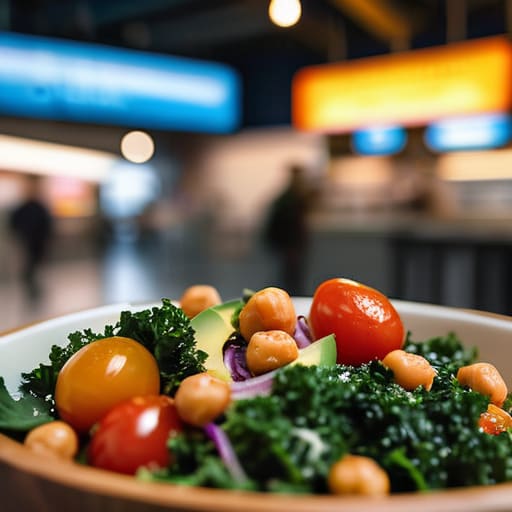
The problem with terminal dining isn’t just the price; it’s the deceptive landscape of “choices.” You’ll walk past a dozen stalls, each promising something different, but if you look closely, they’re all selling variations of the same highly processed, shelf-stable misery. It’s a psychological trick designed to make you feel like you’re making a decision, when in reality, you’re just choosing which brand of sodium-heavy preservative you’d prefer. When you’re avoiding processed travel food, you have to look past the glossy, backlit photos of burgers and wraps that look nothing like the actual product. If the menu doesn’t list a single ingredient that looks like it came out of the ground this week, walk away.
Realistically, finding fresh produce in terminals requires a bit of investigative work. I always tell people to look for the places that have a high turnover of salads or fruit bowls; if the lettuce looks wilted, the kitchen isn’t managing their stock, and you don’t want to be the one testing their refrigeration limits. Don’t settle for a bag of overpriced nuts that’s been sitting in a bin for six months. Look for the vendor that has a visible prep area or, at the very least, a menu that acknowledges real food exists beyond a microwave.
Finding Fresh Produce in Terminals Before the Rush
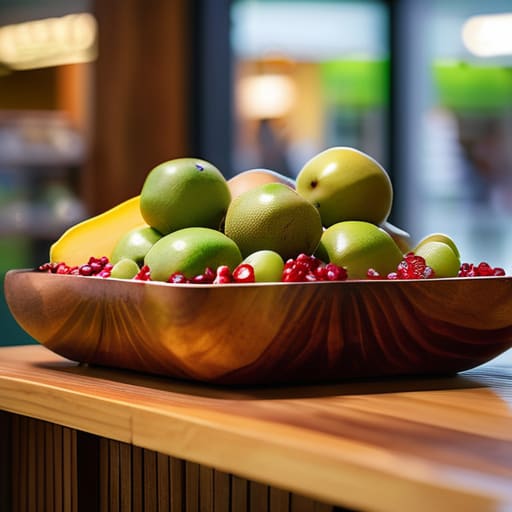
If you’re hunting for something that hasn’t been vacuum-sealed in plastic, you have to learn to read the floor plan like a seasoned buyer. Most people gravitate toward the massive, brightly lit food courts because they look efficient, but that’s where the high-margin, low-quality traps are set. Instead, look for the smaller, boutique kiosks tucked into the quieter corners of the terminal. These spots often have higher turnover and smaller menus, which is a signal that they aren’t sitting on stale stock. When you’re finding fresh produce in terminals, look for the vendors selling individual fruit bowls or pre-cut salads that haven’t turned brown at the edges. If the lettuce looks wilted, walk away immediately; in a high-pressure environment like a transit hub, a vendor who doesn’t rotate their greens is a vendor who is cutting corners on their overhead.
Timing is your best friend here. If you arrive before the main wave of departures, you’ll find the staff are actually able to curate their displays with a bit more care. This is the best window for securing nutritious snacks for long flights—think hard-boiled eggs, yogurt parfaits, or actual pieces of fruit—before the rush turns everything into a chaotic scramble for whatever is left in the display case.
The Survival Guide: Five Rules for Eating When You’re Not in Control
- Scout the “Hidden” Perimeter. Every terminal has a hierarchy of food, and the stuff right next to the gate is usually the most expensive and the most tired. Walk the full loop. The vendors tucked into the corners or near the secondary exits often have lower footfall, which means their prep is fresher and their staff aren’t running on pure adrenaline and panic.
- Beware the “Combo Meal” Trap. In a proper restaurant, a set menu is a chef’s way of managing a kitchen; in a station, it’s a way to offload inventory that’s been sitting under a heat lamp too long. If the deal looks too good to be true, it’s because they’re trying to move a sandwich that was made at 4:00 AM. Stick to single, identifiable items.
- The Beverage Litmus Test. If you’re looking for a decent meal, look at what they’re pouring. If the coffee is coming out of a machine that looks like it hasn’t been descaled since the nineties, or if the “freshly squeezed” juice is coming from a plastic jug, walk away. A vendor who neglects their basic liquids is almost certainly cutting corners on their protein.
- Watch the Staff, Not the Menu. Don’t look at the glossy photos on the board; look at the person behind the counter. Are they actually talking to each other, or are they staring blankly at a screen? If the service is frantic and disorganized, the kitchen is likely a disaster zone. You want the vendor where the staff looks like they actually have a rhythm.
- Prioritize Protein Over Pastry. It is tempting to grab a croissant or a muffin because it’s easy and cheap, but that’s a recipe for a mid-flight sugar crash that will make your journey miserable. Look for the vendor offering something substantial—even if it’s just a hard-boiled egg or a piece of grilled chicken—that will actually keep your blood sugar steady while you’re stuck in a middle seat.
The Real Cost of the Quick Bite
Stop looking for a “meal” and start looking for a single, honest ingredient; if you can’t identify the source of the protein or the season of the vegetable on the menu, you aren’t eating dinner, you’re just consuming fuel designed to survive a transit schedule.
Treat the price tag as a service fee, not a quality indicator; in a terminal, you are paying for the real estate and the logistics of keeping a fridge running in a high-traffic zone, so don’t let a premium price fool you into expecting a premium kitchen.
Watch the staff, not the signage; a vendor with a tired, disorganized team is a red flag that your food has been sitting in a warming drawer for an hour, whereas a calm, efficient counter tells you the turnover is high and the stock is actually moving.
The Hidden Price of the Quick Bite
When you’re staring at a backlit menu board in a terminal, remember that you aren’t paying for the chef’s vision or the quality of the provenance; you are paying a massive premium for the privilege of being in a hurry, so if you’re going to spend forty pounds on a mediocre sandwich, at least have the sense to find the one stall that actually has a person behind the counter who looks like they’ve seen a real vegetable today.
Rosalind Achterberg
The Final Check Before You Board
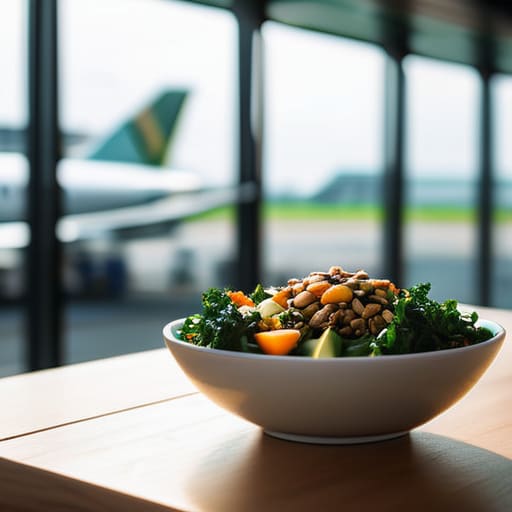
At the end of the day, eating well while traveling isn’t about finding a Michelin star in a departure lounge; it’s about managing your expectations against the reality of the overhead. You’ve learned to look past the glossy, backlit photos of salads that look far too crisp to be real, to avoid the trap of overpriced, processed convenience, and to hunt for those few honest stalls that prioritize fresh ingredients over sheer volume. Remember that when you see a menu with fifty items in a terminal, you aren’t looking at choice—you are looking at a logistical nightmare that guarantees nothing will be fresh. Stick to the simple, the seasonal, and the visible, and you’ll avoid that heavy, sluggish feeling that usually accompanies a terminal meal.
Travel is inherently chaotic, and the food industry in these transit hubs is built to exploit that very friction. But you don’t have to be a victim of the convenience tax. Treat your transit meal with the same intentionality you would bring to a proper dining room, even if it’s just a piece of fruit and a decent yogurt from a kiosk. When you stop viewing terminal dining as a chore to be endured and start seeing it as a series of small, calculated decisions, you reclaim a bit of your own agency. You aren’t just fueling a body for a flight; you are refusing to let the rush dictate how you treat yourself.
Frequently Asked Questions
How can I tell if a place is actually using fresh ingredients or just reheating something that's been sitting in a bain-marie since the 6:00 AM flight?
Look at the edges, not the center. If you’re eyeing a hot buffet, look for “skin” on the sauces or a crust on the proteins; that’s the tell-tale sign of a bain-marie holding something hostage since dawn. Real food has life—irregular shapes, varying colors, a bit of moisture that isn’t just oil. If everything looks suspiciously uniform and perfectly glistening, it’s likely been sitting under a heat lamp long enough to lose its soul.
Is it worth the extra ten pounds to order from a sit-down restaurant in the terminal, or am I just paying for the privilege of a chair and a waiter?
You aren’t just paying for the chair; you’re paying for the labor. In a terminal, that ten-pound markup covers the person standing there, the person washing the plate, and the astronomical rent that makes every square inch of floor space a battleground. If you want a moment of stillness and a meal that isn’t wrapped in foil, pay it. But if you’re just hungry, don’t mistake service for soul.
What’s the best way to spot a decent meal when I'm stuck in a terminal during the middle of the night and everything looks like it’s been processed into oblivion?
Look for the “assembly” rather than the “cooking.” If a vendor is reheating pre-packaged trays, walk away. Instead, find the place where you can actually see a person handling raw ingredients—even if it’s just a sandwich station where they’re slicing something real. If the menu is a list of things that can be frozen and shipped, skip it. You aren’t looking for a Michelin star at 2 a.m.; you’re looking for a kitchen that hasn’t given up.
