 Written by
 Most people will try to sell you a “complete guide to solo dining” that sounds like it was written by someone who has never actually sat in a dining room alone. They’ll tell you to book the most expensive corner booth or dress like you’re heading to a gala just to mask the perceived awkwardness. It’s nonsense. They treat solo dining like a performance you have to get right, rather than what it actually is: a way to enjoy a meal without the exhausting labor of conversation. When I ran my own sixteen-seat place, I didn’t see a lonely person at a single table as a tragedy; I saw a customer who was actually paying attention to the food, which is the highest compliment a cook can receive.
I’m not here to give you etiquette tips for the socially anxious. I’m going to tell you how to navigate the room so you don’t disrupt the flow of service, how to pick a seat that respects both your privacy and the waiter’s ability to breathe, and why the bar is often the smartest business decision you can make. This is the truth from the other side of the pass.
Best Seating for Solo Travelers and the Bar Economy
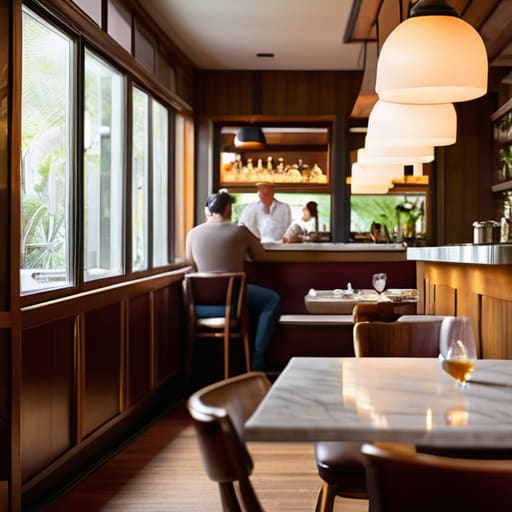
If you’re dining solo, stop aiming for the center of the room like you’re waiting for a party that isn’t coming. That’s where the spotlight hits, and if you’re struggling with overcoming social anxiety at restaurants, the middle of a dining room is the last place you want to be. Instead, look for the bar or a small two-top tucked into a corner. The bar is the unsung hero of the industry; it’s the most efficient real estate we have. When you sit there, you aren’t “taking up a table”—you are occupying a seat designed for high turnover and low friction. It allows the floor staff to focus their energy on the larger parties while you get a front-row seat to the theater of the kitchen without the pressure of being watched.
Finding the best seating for solo travelers is really about understanding the flow of the room. A well-placed counter stool gives you a sense of purpose—you’re there to watch the bartender work—whereas a lonely table in a quiet corner can sometimes feel like an island. I always tell my former staff: if a solo diner looks uncomfortable, move them to the bar. It’s not just about comfort; it’s about the economics of the space. The bar is where the real magic of hospitality happens, away from the choreographed dance of the main floor.
Choosing Restaurant Types for Single Diners Without the Guilt
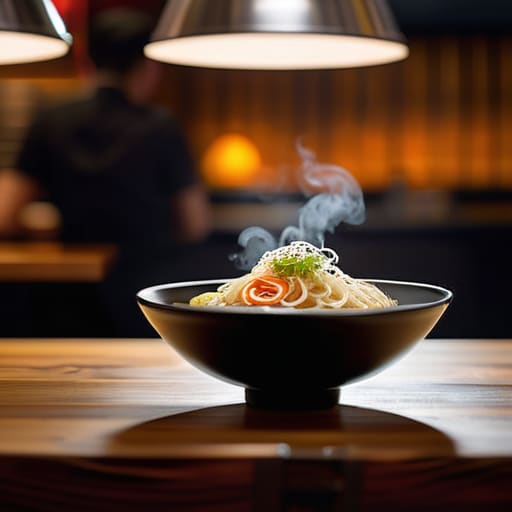
If you’re feeling that prickle of self-consciousness, stop trying to force yourself into a white-tablecloth establishment where the service is choreographed like a ballet. Those places are designed for groups and celebrations; when you sit alone there, you feel like a glitch in their programming. Instead, look for restaurant types for single diners that actually thrive on turnover and movement. I always tell my former staff that a busy bistro or a high-end ramen shop is a solo diner’s best friend. In those rooms, the energy is kinetic, the staff is focused on the rush, and nobody has the mental bandwidth to wonder why you aren’t sharing a platter with a companion.
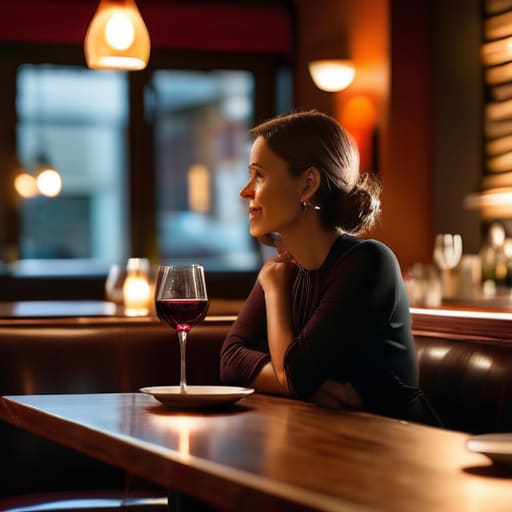
For those still working on overcoming social anxiety at restaurants, the casual wine bar is your safest harbor. These spaces are built around the idea of the individual—someone grabbing a glass and a small plate to decompress. There is no expectation of a long, drawn-out service, which takes the pressure off both you and the waiter. When the environment accepts solitude as a standard part of the evening, you can finally stop performing and actually start tasting the food.
The Unwritten Rules of the Single Setting
- Master the art of the “low-impact” arrival. If you show up at 7:30 PM on a Friday, you are a high-maintenance task for a floor manager trying to balance a dozen covers; if you aim for the lull between the lunch rush and the dinner surge, you become a welcome guest rather than a logistical headache.
- Learn to read the room before you commit to a table. If the dining room is a sea of loud, celebratory birthday parties, don’t expect to find peace in a central booth; look for the spaces where the service rhythm is steady and the staff isn’t constantly playing firefighter.
- Use your notebook, but don’t hide behind it like a shield. I spent decades watching people use menus or phones to pretend they weren’t alone, but there is a dignity in sitting with a pen and paper that signals you are there to actually experience the food, not just to occupy a chair.
- Understand the economics of the “empty seat.” If you are dining in a small, high-end room, realize that a single diner at a four-top table is a mathematical wound to the business; if you want to be a patron they love, take the stool or the small two-top so they can maximize their turnover.
- Order with intention to help the kitchen. A solo diner ordering a complex, multi-course tasting menu during a peak period puts immense pressure on a line that is already stretched thin; if you want the best experience, pick a few standout dishes that allow the chef to breathe.
The Realities of the Single Cover
Don’t mistake a quiet table for a lonely one; the best solo experience comes from sitting where the staff can actually see you without having to hunt you down, usually at the bar or a perimeter seat.
Understand that your presence affects the math; dining during the “shoulder hours” between lunch and dinner isn’t just easier for your ego, it’s a kindness to a kitchen that is likely mid-prep or mid-reset.
Carry a notebook, not just a phone; there is a massive difference between a person staring blankly at a screen and a person observing the room, and the latter is far more respected by the people running the pass.
The Myth of the Empty Chair
“Stop apologizing for taking up space; when you dine alone, you aren’t a ‘problem’ to be solved or a gap in the floor plan, you are a single, efficient transaction that allows a restaurant to breathe during the lull between the rush and the close.”
Rosalind Achterberg
The View From the Other Side of the Pass
At the end of the day, solo dining isn’t about mastering some complex social etiquette; it’s about understanding the rhythm of the room. You’ve learned to pick the right seat—the bar where the energy is high or the quiet corner where the service can actually breathe—and you’ve learned how to choose a venue that won’t make you feel like an inconvenience to their bottom line. Whether you are navigating the economics of a high-end tasting menu or simply finding a reliable spot for a midweek glass of wine, remember that you are a patron, not a problem. When you approach a restaurant with the awareness of how the staff operates, you stop being a “single diner” and start being a valued guest who knows how to occupy space without disrupting the flow.
I spent twenty-six years watching people come and go, and if there is one thing I learned from behind the till, it’s that the most interesting people in the room are often the ones sitting by themselves. There is a profound, quiet power in being able to sit with your own thoughts, unburdened by the need to perform or entertain. Don’t let the fear of a perceived “lonely table” keep you from the food you love or the places you want to see. Go out, sit down, and order the extra course. The world is far too large to wait for a companion to finally be free before you decide to taste it.
Frequently Asked Questions
How do I handle the awkwardness of being a "single cover" when the restaurant is slammed and every table is a party of four?
Look, if the room is humming and you’re the only one without a companion, don’t try to hide. The awkwardness is usually just your own projection. If you’re sitting at a table for two, you’re taking up a footprint that could have been a larger party, so be mindful of your timing. But if you’re at the bar? You’re a dream for the staff. You’re easy to serve, you don’t hold up the pass, and you aren’t asking for a round of cocktails every ten minutes. Sit where you can be seen, but not in the way.
Is it actually more expensive to eat alone, or am I just paying a premium for the convenience of not sharing a bottle of wine?
It’s a bit of both, isn’t it? You aren’t being charged a “loneliness tax,” but you are losing the math of the shared bottle. When you split a decent Burgundy with a partner, the cost per head drops significantly. Alone, you’re paying the full retail markup on a single glass or a whole bottle. It’s not a premium for convenience; it’s just the math of the solo margin.
At what point does a restaurant's "no solo dining" policy stop being about atmosphere and start being about bad math?
It stops being about atmosphere the moment they start losing money on the seat. If a place bans solo diners because they “don’t want a lonely vibe,” they’re chasing a feeling. If they do it because a single person occupies a four-top during a Friday rush, they’re doing bad math. A smart owner knows a single diner at a bar or a small two-top is a profitable, low-maintenance guest. If you’re turning them away, you aren’t protecting a vibe; you’re just failing at yield management.
