 Written by
 I remember a Tuesday night in my old dining room, about ten years ago, when a regular—a man who had eaten with us every month since the doors opened—set down his glass with a look of profound confusion. He didn’t want to be a bother, but the Chablis smelled less like flint and more like a damp basement after a heavy rain. Most wine critics will write ten pages on the chemical nuances of reduction or oxidation, but in a busy service, you don’t have time for a lecture; you just need to know how wine faults present before a guest feels cheated. If you spend twenty minutes debating the technicality of a corked bottle instead of simply replacing it, you haven’t just lost a sale—you’ve lost the trust of the person sitting in your chair.
I’m not here to teach you the chemistry of fermentation or how to pass a sommelier exam. I want to tell you what to look and smell for when the money is on the line and the dining room is full. I will show you how to spot the difference between a wine that’s just “closed” and one that is genuinely spoiled, so you can protect your margins and your reputation without breaking a sweat.
Identifying Tca in Wine Before the Guest Notices

The real danger with TCA—what most of you call “cork taint”—is how insidious it is. It doesn’t always scream at you; sometimes it just whispers. You’re swirling a glass, expecting the bright, floral notes of a young Riesling, but instead, you get a faint, nagging scent of damp cardboard or a dusty basement. If you catch it early, you can save the service. If you don’t, you’re the one standing there awkwardly while a guest realizes their forty-pound bottle tastes like a wet rag.
When you are identifying TCA in wine, don’t just look for a total loss of fruit. Often, the wine is still technically “fine,” but the vibrancy has been muted, leaving behind a flat, lifeless aroma profile. It’s a subtle theft of character. I used to tell my floor staff that if they had to squint their nose or tilt their head to “really find” the fruit, the bottle was already dead. You shouldn’t have to hunt for the wine’s soul; if it’s hiding behind a veil of mustiness, it’s time to pull the cork and call the supplier.
The Subtle Signs of Wine Oxidation in Aging Bottles
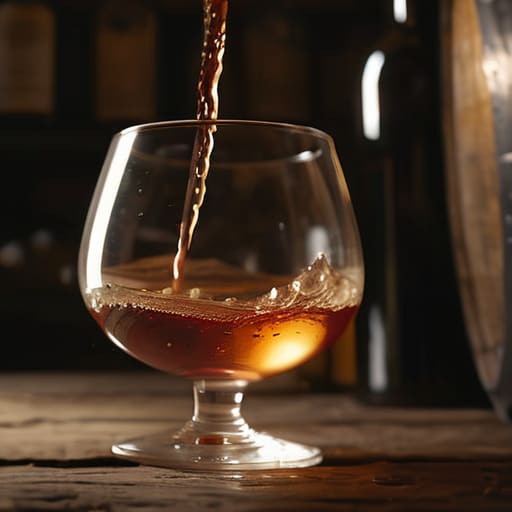
If TCA is a sudden, sharp slap to the face, oxidation is a slow, quiet leak. It’s the heartbreak of a bottle that was supposed to be a masterpiece but arrives instead as a ghost. You’ll see it most often in those older, precious reds or delicate whites that have been sitting in the cellar for a decade. When you pour it, the color is the first giveaway; instead of that vibrant, jewel-toned garnet or pale straw, you’re looking at something muddy, brownish, or brick-like. It’s the visual equivalent of a faded photograph.
When you move to the nose, you won’t find the bright fruit that the label promised. Instead, the aroma profiles of spoiled wine caused by oxygen tend toward the bruised and the spent. Think of a sliced apple left on the counter overnight, or the heavy, cloying scent of sherry in a wine that should be crisp. It’s a dulling of the senses. If the wine tastes flat, lacking any structural acidity or “lift,” you aren’t just tasting a vintage that has peaked—you are witnessing the slow death of the liquid itself.
The Service Floor Survival Guide: Spotting the Faults Before the Bill Arrives
- Trust your nose more than your eyes. A wine can look perfectly clear and bright in the glass, but if you catch a whiff of something that smells like a wet dog or a damp basement while you’re decanting it, stop right there. Don’t wait for the guest to tell you; by then, you’ve already lost their trust.
- Watch the color, but watch the sediment too. If a white wine is looking suspiciously deep gold or amber when it should be straw-colored, it’s likely oxidized. Similarly, if a red has lost its vibrant purple hue and turned a muddy brick color far too early in its life, the air has likely won the battle.
- Pay attention to the “mouthfeel” of the fault. A wine with volatile acidity won’t just smell like vinegar; it will feel sharp, stinging, and unpleasantly thin on the tongue. If a guest complains that a wine “burns” in a way that isn’t the pleasant warmth of alcohol, it’s a chemical issue, not a character trait.
- Listen for the “pop” and the “hiss.” If a sparkling wine sounds more like a dying breath than a crisp release of pressure, or if the bubbles seem to vanish the moment they hit the glass, you aren’t dealing with a “delicate” style—you’re dealing with a faulty seal or a botched fermentation.
- Check the cork, but don’t obsess over it. A crumbly cork is a nuisance, but a cork that smells strongly of rot is a sign of a bad bottle. If the cork is intact but the wine is dead, remember that the fault is in the liquid, not the stopper; don’t let a stubborn sommelier argue you out of a legitimate return.
The Bottom Line: What You Can’t Afford to Miss
Trust your nose over the label; if a bottle smells like a damp basement or wet cardboard, it’s corked, and no amount of “complex notes” from a pretentious guest can fix a chemically flawed wine.
Watch for the color shift; an oxidized wine isn’t just “old,” it’s a dying product that will leave a bitter, flat taste in a guest’s mouth and a sense of wasted money in their heart.
Catch the fault before the pour; the most expensive mistake isn’t a bad bottle, it’s the moment a guest realizes you didn’t notice it, because that’s when you lose their trust—and their next booking.
The Silent Service Killer
A wine fault isn’t just a technical error in a bottle; it’s a breach of trust. When a guest pays sixty pounds for a vintage and gets nothing but the smell of a damp basement, they aren’t just losing a drink—they’re losing faith in your entire dining room. You can have the finest linen and the most talented chef, but if your cellar management is sloppy, you’re just serving expensive disappointment.
Rosalind Achterberg
The Bottom Line on the Bottle
At the end of the day, spotting a fault isn’t about being a sommelier with a fancy title; it’s about having a nose that works and a sense of responsibility to the guest. Whether you’re catching the damp, musty stench of TCA before it hits the table or noticing that a once-vibrant white has turned a muddy, bruised amber from oxidation, you are protecting the integrity of the house. It’s easy to let a questionable bottle slide when the dining room is slammed and the kitchen is shouting, but a single bad pour can do more damage to your reputation than a slow service ever could. You have to be the first line of defense between a bad experience and a loyal customer.
Running a floor taught me that people don’t just pay for the liquid in the glass; they pay for the confidence that what they are drinking is exactly what it’s supposed to be. Don’t let the fear of “wasting” a bottle stop you from doing the right thing. It is far cheaper to replace a corked Chardonnay than it is to replace the trust of a regular who felt you were trying to palm off a mistake. Be rigorous, be observant, and remember that in this business, the details are the business.
Frequently Asked Questions
If I suspect a bottle is corked but the guest is halfway through, how do I handle the replacement without making the whole table feel awkward?
You don’t make a scene, and you don’t apologize like you’ve committed a crime. If they’re halfway through, you approach quietly. Don’t ask, “Is it corked?”—that forces them to play judge. Instead, lean in and say, “I’ve been thinking about that bottle, and I’m not entirely happy with how it’s performing. Let me bring you something else.” You swap the bottle on the side, not the table, and keep the momentum of their conversation alive.
How can I tell the difference between a wine that’s actually oxidized and one that just has a heavy, "bruised" fruit profile from the vineyard?
It’s the difference between a wine that’s lived a full life and one that’s simply tired. A “bruised” fruit profile—think overripe plum or baked apple—still has structure; it has acidity that makes your mouth water. Oxidation, however, is a flatline. If the fruit smells like a bruised apple but the texture feels heavy, limp, and lacks any brightness or “zip,” it’s oxidized. One is character; the other is a slow death in the bottle.
Is it ever worth charging a corkage fee if the guest brings a bottle that turns out to be faulty, or is that just asking for a bad review?
If the bottle is corked, you waive the fee. Period. Charging a guest for the privilege of drinking something that tastes like a damp basement isn’t “protecting your margins”—it’s professional suicide. You aren’t charging for the wine; you’re charging for the service and the glassware. If the wine is faulty, you haven’t provided the service they paid for. Swallow the cost, apologize sincerely, and move on. A bad review costs far more than one corkage fee.
