
 Written by
 I remember a Tuesday night in my old dining room, about ten years ago, when my head waiter—the kind of man who could read a table’s mood before they’d even sat down—handed me his apron and walked out. I’d just spent a fortune on a new “culture-building” seminar and a fancy espresso machine for the staff room, thinking those were the magic ingredients. I was wrong. Most of the advice you read online about how to keep restaurant staff is written by people who have never had to balance a till at midnight or deal with a broken dishwasher during a Saturday rush. They talk about “employee engagement” and “wellness initiatives,” but they forget that a person stays in a kitchen because they feel respected, not because you bought them a beanbag chair for the breakroom.
I’m not here to sell you on management theories or expensive consultants. I’m going to tell you what actually works when the heat is on and the margins are thin. We’re going to talk about the real, unglamorous mechanics of loyalty: from how you structure a rota so people can actually have a life, to why a fair wage is the bare minimum, not a reward. I’ll show you the hidden costs of a revolving door and how to build a team that stays because they actually want to be part of the business, not just because they’re waiting for their next paycheck.
Why Competitive Hospitality Wages Are Not an Extra Expense
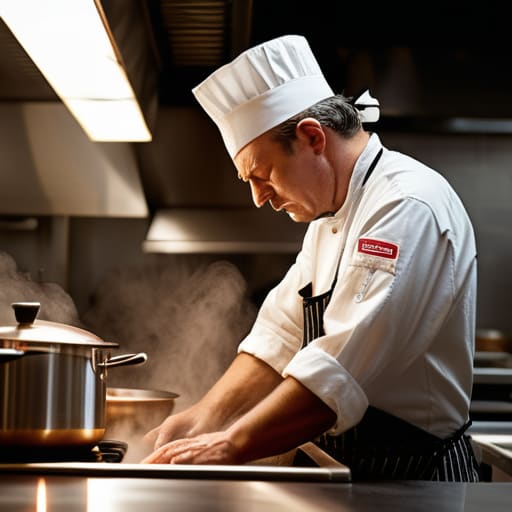
I used to sit in my back office, staring at the spreadsheets, trying to figure out how to shave another fifty pence off the labor cost per cover. It’s a seductive trap. You look at competitive hospitality wages as a line item that eats into your margin, a leak in the bucket that needs plugging. But what you aren’t seeing is the cost of the bucket itself. When you underpay, you aren’t saving money; you are simply deferring a massive debt that will eventually come due in the form of broken service, wasted prep, and the constant, exhausting cycle of training teenagers who will leave the moment a more stable job appears.
Every time a seasoned server walks out because they can’t make rent, you lose more than just a pair of hands. You lose the institutional memory of how your specific kitchen breathes. You lose the guest who came in because they trusted that specific face. Trying to solve staffing issues through improving workplace culture is noble, but culture doesn’t pay the electricity bill at home. If you want to stop the bleeding, stop treating your payroll like a problem to be minimized and start treating it like the single most important investment in your building’s survival.
The Real Cost of Reducing Hospitality Turnover Rates

When a server walks out mid-shift, they aren’t just leaving a hole in your rota; they’re taking a piece of your profit margin with them. I’ve sat in the back office staring at spreadsheets, trying to make sense of why the numbers wouldn’t balance, only to realize the leak was the constant cycle of hiring. Every time you lose a seasoned hand, you aren’t just paying for a new job advert. You are paying for the three weeks of lost efficiency, the inevitable mistakes on the floor, and the mental tax placed on the remaining crew who have to pick up the slack.
True reducing hospitality turnover rates isn’t about finding a magic trick; it’s about acknowledging that training a new person is a massive, invisible drain on your resources. If you aren’t investing in staff training and development programs, you are essentially paying a “chaos tax” every single month. You might think you’re saving pennies by skimping on the basics, but you’re actually bleeding much more through the cracks of a broken, revolving-door system.
Five Ways to Stop the Bleeding Before the Next Shift Starts
- Stop treating your rota like a math problem and start treating it like a human life. If you’re scheduling a twenty-two-year-old for a closing shift on a Sunday and then expecting them to be bright-eyed for a lunch service on Monday, you aren’t managing; you’re just waiting for them to quit. A predictable schedule is worth more than a ten-cent raise to anyone trying to have a life outside of your dining room.
- Invest in the tools that actually work, or stop complaining about slow service. There is nothing that kills morale faster than a server trying to run a three-top while fighting with a glitchy, prehistoric POS system or a printer that jams every time someone orders a side of fries. If you want them to perform, give them gear that doesn’t fight them.
- Build a culture where the “back of house” isn’t a separate country from the “front of house.” I saw more restaurants crumble because of a kitchen grudge than because of a bad food cost. If your chef thinks the servers are “just people in suits” and your servers think the cooks are “unhinged,” you don’t have a team—you have two warring factions waiting for a reason to walk out.
- The “Invisible Training” Rule. Don’t just throw a new hire into the deep end and hope they learn to swim by drowning. If you don’t take the time—and I mean the actual, billable time—to teach them the menu, the floor plan, and the way you like the glasses polished, they will feel incompetent. And an incompetent employee is an unhappy employee, and an unhappy employee is a flight risk.
- Give them a reason to care about the numbers. You don’t need to show them your full P&L, but if they understand that a lower breakage rate or a more efficient prep list means the restaurant stays healthy, they feel like stakeholders rather than just cogs. When people feel like they’re part of a winning machine instead of just fuel for it, they stick around.
The Bottom Line on Keeping Your People
Stop looking at a living wage as a leak in your profit margin; it’s actually the plug that stops the much larger drain of constant, expensive retraining.
A menu is only as good as the person carrying it, and if you don’t invest in the human being behind the plate, you’re just paying for expensive ingredients to go to waste.
Retention isn’t about ping-pong tables or free staff meals; it’s about the dignity of a predictable rota and a manager who knows that a burnt-out server is a liability to the entire room.
The Invisible Leak in Your P&L
You can spend all day obsessing over your food cost percentage, but if you aren’t accounting for the time it takes to train a new commis or the way a revolving door of servers kills your regulars’ trust, your books are a lie. A staff member isn’t a line item to be trimmed; they are the only thing standing between a profitable service and a total collapse of the atmosphere.
Rosalind Achterberg
The Bottom Line
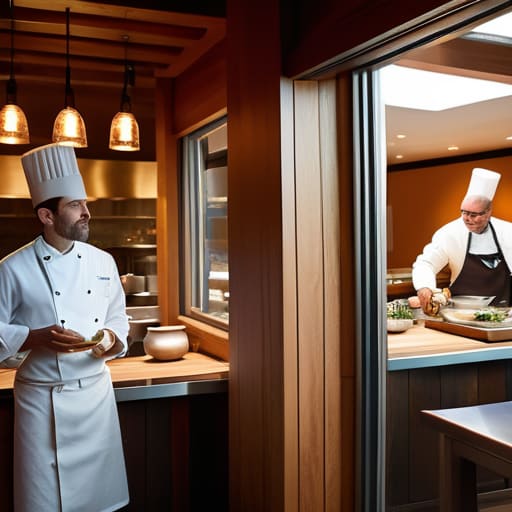
At the end of the day, keeping your staff isn’t about some grand, lofty vision of hospitality; it’s about the math. It’s about realizing that a slightly higher hourly rate or a more sensible rota is a far better investment than the invisible drain of constant recruitment, training, and the broken morale that follows every time a seasoned server walks out the door. You cannot build a reputation on a revolving door of teenagers who are only there until they find something better. If you want a kitchen that runs like a clock and a floor that feels like a home, you have to stop treating your people like consumable inventory and start treating them like the very foundation of your profit margins.
I spent twenty-six years watching the lights dim on rooms that had everything—the perfect linens, the vintage wine, the exquisite plating—except for a team that actually wanted to be there. A restaurant is a living, breathing thing, and its heartbeat is the people who show up when the tickets start piling up and the air gets thick with heat. If you take care of the human beings behind the pass, they will take care of your business. It isn’t a fairy tale; it is simply good business. Build something worth staying for, and you might just find that the hardest part of the job—the people—becomes the part that finally lets you sleep at night.
Frequently Asked Questions
How do I balance giving my staff a living wage without making my food prices so high that the dining room stays empty?
You’re trying to solve a math problem with a heart, which is the only way to run a decent room, but don’t let the math win. If you can’t pay a living wage, you don’t have a pricing problem; you have a menu problem. Tighten your inventory, cut the redundant ingredients that drive waste, and stop offering fifteen mains when six well-executed ones will move faster and cost less. Precision saves your margin; bloat kills it.
Is it actually possible to build a loyal team in this industry, or am I just wasting my time trying to stop people from leaving for a bigger chain?
You aren’t wasting your time, but you are likely fighting the wrong battle. You can’t outbid a corporate chain on hourly rates, so stop trying to play their game. Loyalty in a small room isn’t bought with a slightly higher wage; it’s built on predictability and respect. If they know their rota is set two weeks out and you actually listen when they say the dishwasher is drowning, they’ll stay. They aren’t looking for a career; they’re looking for a place that doesn’t break them.
What are the small, non-monetary things I can do to make my staff feel like they aren't just cogs in a machine?
Stop treating your rota like a math problem and start treating it like a life. If you know a server has a daughter’s recital or a parent’s appointment, build that into the schedule before they have to beg for it. It’s the small things: actually tasting the new special before they serve it, or noticing when the dishwasher is drowning and jumping in to clear a tray. Respect is found in the gaps between the orders.
