
 Written by
 I remember sitting in my own sixteen-seat dining room at ten o’clock on a rainy Tuesday, staring at a stack of crumpled receipts and a ledger that refused to balance. There is a pervasive, polished myth out there that tipping is a simple matter of “generosity” or a mathematical percentage of the bill, but anyone who has ever scrubbed a floor at midnight knows that’s nonsense. Most people think they understand how tipping works in practice, but they are usually looking at it through the lens of a diner, not the person responsible for the payroll. In reality, the tip isn’t just a bonus for a smiling face; it is the unseen infrastructure that keeps a kitchen from collapsing and a server from moving back into their parents’ basement.
I’m not here to give you a lecture on etiquette or some sanitized guide to dining out. I want to pull back the curtain on the actual mechanics of the money—where it goes, why it often doesn’t reach the person who actually carried your heavy plates, and how the math changes when the house is struggling. I will tell you the truth about the hidden economy of the service charge and why your decision at the end of a meal matters more than you realize.
Standard Tipping Percentages and the Myth of Generosity

People love to talk about standard tipping percentages as if they were laws handed down from a mountaintop, usually hovering around that magical 18% or 20% mark. But here is the truth from the side of the pass: a percentage is just a number on a screen, and it doesn’t account for the reality of the room. I’ve seen diners leave twenty percent for a mediocre experience just because they felt socially pressured, and I’ve seen them stingy as hell when the service was actually flawless. The myth of “generosity” often masks a lack of understanding. People think they are being kind, but they aren’t actually looking at the labor; they are just following a script they read online.
The real friction starts when we talk about gratuity vs service charge. To a customer, they might feel like the same thing, but to an owner, the distinction is the difference between a balanced ledger and a crisis. A service charge is a structural decision—often baked in to ensure the dishwasher and the runner get their fair share—whereas a tip is a variable emotion. When you see those new digital tipping trends popping up on tablets, don’t mistake the convenience for a new standard of grace. It’s just a way to make the math easier, even if it makes the human connection much harder to find.
How Tips Are Distributed to Staff Behind the Scenes
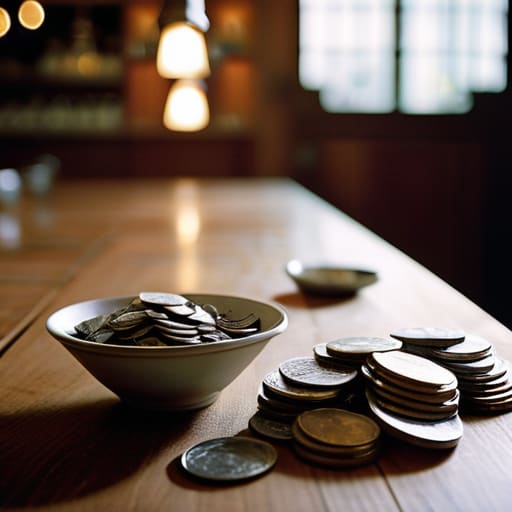
When the shift ends and the heavy doors are locked, the real math begins. Most diners think their tip stays in the pocket of the person who poured their Cabernet, but the reality of how tips are distributed to staff is far more complex—and far more communal. In a well-run room, that money is funneled into a pool. It’s a way of acknowledging that the person who brought you the bread and the person who scrubbed the grease off the stovetop are both essential to the meal you just enjoyed.
However, there is a messy distinction between a gratuity vs service charge that every patron should understand. A tip is a discretionary gift; a service charge is a line item, often a fixed percentage dictated by the house to cover the rising cost of labor. While some see a service charge as a way to ensure fairness, others feel it strips away the personal connection of the gesture. In my sixteen-cover dining room, I always preferred the former. I wanted my staff to feel the direct impact of a guest’s gratitude, because nothing motivates a server quite like knowing their hard work was actually seen.
Five Truths About the Money You Leave on the Table
- Stop tipping for the food and start tipping for the labor. The chef, the dishwasher, and the person who scrubbed your water glass at 11:00 PM are part of the service, even if they never cross your line of sight. A generous tip isn’t a reward for a delicious steak; it’s a recognition of the invisible hands that made the meal possible.
- Understand that a “service charge” is often a defensive maneuver, not a luxury tax. When you see a fixed percentage added to the bill, it’s usually because the owner is trying to stabilize the staff’s income against the volatility of a bad Tuesday. It doesn’t mean the service is guaranteed to be perfect, but it does mean the business is trying to stop its best people from walking out the door.
- The “cash in hand” rule still holds weight, even if it feels old-fashioned. While digital payments are making life easier for the accountant, cash remains the most direct way to ensure a server feels the immediate impact of your appreciation. In a small room, that extra twenty pounds can be the difference between a staff member feeling valued or feeling like a cog in a machine.
- Don’t let the “rounding up” habit blind you to the actual math. It’s easy to just tap a random number on a screen to be polite, but if you’ve had exceptional service—the kind where the waiter anticipated your need for more bread before you even realized you were hungry—give them the math they actually earned. They can’t pay their rent on “rounded up” politeness.
- Realize that your tip is a vote for the kind of restaurant you want to see survive. When you tip well, you are subsidizing a system that allows a small, independent business to keep paying a living wage. When you skimp, you aren’t just being “frugal”; you are making it mathematically harder for that restaurant to stay open for another year.
The Reality Check: What You Need to Carry Away From the Table
A tip isn’t a reward for a “good” meal; it is the primary mechanism that keeps the person pouring your wine and the person scrubbing your plate from walking out the door.
When you see a service charge on the bill, don’t view it as a hidden fee, but as the restaurant’s attempt to ensure the kitchen staff—who never see your face—get a fair slice of the labor they provided.
The most important thing to remember is that the math of a restaurant is fragile; a few missed tips or a misunderstanding of the system can be the difference between a dining room that feels like a home and one that’s just counting down the days until the bank takes the keys.
The Invisible Payroll
When you leave a tip, you aren’t just rewarding a smile or a well-timed refill; you are participating in a delicate, often desperate, piece of kitchen arithmetic that determines whether the person washing your plates can afford the bus fare home or if the server can make it through another month of eighteen-hour shifts.
Rosalind Achterberg
The Real Math of the Meal

At the end of the day, tipping isn’t some abstract social etiquette or a way to score points for being a “good” diner; it is the most direct, albeit messy, way you participate in the survival of the people serving you. We’ve looked at the percentages that people expect and the complicated, often invisible ways that money moves from your card to the hands of the dishwasher and the runner. When you understand that a service charge isn’t just a line item but a calculated attempt at stability, the entire experience changes. You realize that the math of the meal isn’t just about the price of the steak, but about the human cost of keeping that steak on the plate.
I spent twenty-six years watching the lights flicker in my own dining room, knowing exactly how thin the margins were between a successful service and a month of losses. My advice to you isn’t to tip until it hurts, but to tip with your eyes open. When you see a server who anticipates your needs without being intrusive, or a kitchen that manages to send out a perfect dish during a frantic Saturday rush, remember that you are witnessing a carefully choreographed dance of professional skill. Treat the tip as a recognition of that labor. If we want the restaurants we love to keep their doors open, we have to stop treating hospitality like a luxury and start valuing the people who make it happen.
Frequently Asked Questions
If the service charge is already included in the bill, is it actually rude to leave an extra tip, or am I just paying for the same service twice?
It isn’t rude, but it’s often redundant. If that service charge is already sitting there, you’ve already covered the staff. Adding more won’t hurt, but don’t feel obligated to double down. I always tell people: if the service was seamless, a little extra is a lovely gesture; if it was a disaster, that service charge is the very thing you should be questioning with the manager. Don’t pay twice for mediocrity.
What happens to my tip if the kitchen staff is understaffed or the chef walks out mid-service?
If a chef walks out or the kitchen is drowning, your tip doesn’t magically fix the staffing crisis, but it does act as a lifeline. In a well-run house, that money is pooled to ensure the remaining, exhausted line cooks don’t walk out too. If you see service faltering, don’t withhold the tip as a protest against the chaos; the owner is already losing money on the labor gap. Tip the people who stayed to finish your plate.
Why does a busy, loud bistro handle tipping differently than a quiet, high-end dining room where the service feels almost invisible?
In a loud bistro, the tip is for the energy—the person dodging trays and shouting orders through the din. It’s visible, tactile, and expected. But in a high-end room, you’re paying for the silence. That “invisible” service is actually a highly choreographed dance of timing and anticipation that costs a fortune in training. In those rooms, the tip doesn’t just reward a smile; it subsidizes the precision required to make the complex look effortless.
