
 Written by
 I remember a Tuesday night in my old dining room, about ten years ago, when a party of four arrived with a list of restrictions longer than my actual menu. The kitchen was already sweating through a heavy service, and suddenly, the rhythm of the pass just shattered. The chef was shouting, the floor staff were hovering nervously, and the cost of that one table’s specialized ingredients was quietly eating into our margin for the night. Most management consultants will give you a glossy manual on how to handle dietary requirements that involves expensive software or complex protocols, but they’ve never had to stand in a hot kitchen at 9:00 PM trying to explain to a line cook why we’re pulling a fresh batch of sauce halfway through a rush.
I’m not here to give you a corporate checklist or tell you to “embrace the challenge” with a smile. I want to talk about the real mechanics of it: how to manage your prep lists so you aren’t scrambling, how to train a waiter to ask the right questions without sounding like a robot, and how to protect your food margins when the requests get complicated. I’ve made the mistakes, I’ve paid for them, and I’m going to tell you exactly how to do this without losing your mind or your profit.
Communicating Food Restrictions Without Breaking the Service
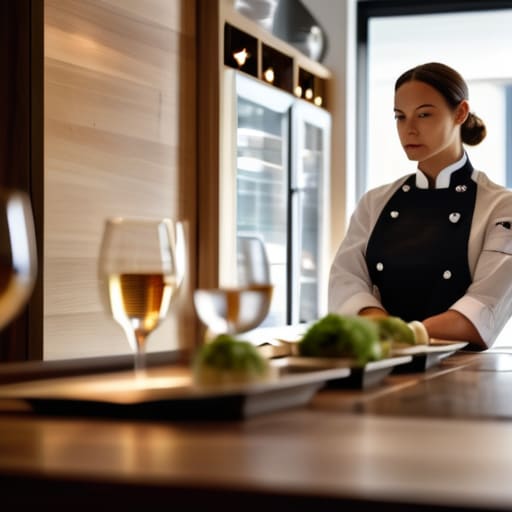
The mistake most people make isn’t the restriction itself; it’s the timing. If you wait until the menus are closed and the orders are flying to mention a nut allergy, you’ve already lost the battle. For a kitchen, communicating food restrictions needs to happen at the very first point of contact. When a guest tells the host or the server immediately, it allows the kitchen to adjust their mental map of the service before the first ticket even prints. It’s the difference between a calm, measured preparation and a frantic scramble that risks a mistake.
From my side of the pass, I always told my staff that effective food allergy management isn’t just about swapping a side dish; it’s about the entire workflow. You have to account for the invisible risks—the shared cutting boards, the tongs, the very air in a busy kitchen. True cross-contamination prevention requires a level of discipline that most people don’t realize is happening behind the scenes. It’s an extra layer of mental labor for the chef, and if you don’t give them the heads-up early, you’re asking them to perform a miracle while they’re already running behind.
Menu Planning for Sensitivities and the Bottom Line
When you’re sitting in the back office staring at a food cost spreadsheet, every single item on that menu represents a risk and a commitment. I used to think a sprawling menu was a sign of abundance, but I learned the hard way that it’s actually a logistical nightmare for menu planning for sensitivities. If you have forty different ingredients, you have forty different ways to make someone sick. Every time you add a niche, gluten-free, or vegan substitute, you aren’t just adding a dish; you are adding a new line item to your inventory, more potential for waste, and a higher chance of a mistake during a rush.
The smartest way to manage this isn’t to try and please everyone with a thousand options, but to build a foundation of naturally inclusive dishes. If your base sauce is nut-free and your grains are gluten-free, you aren’t scrambling to reinvent the wheel when a guest mentions an allergy. Effective food allergy management starts with a menu that is built on simplicity and control. It’s much cheaper—and much safer—to design a kitchen that works around a restriction than to try and build a workaround on the fly while the printer is screaming and the dining room is full.
Five ways to keep the kitchen sane and the guests fed
- Don’t treat an allergy like a suggestion; if a guest says it’s an allergy, the kitchen needs to treat it like a medical emergency, not a preference. I’ve seen too many cooks roll their eyes at a “fussy” eater, forgetting that a single stray piece of walnut or a smear of pesto can end a person’s night—and your reputation.
- Train your front-of-house to stop saying “I think” or “I believe.” If the server isn’t 100% sure about a sauce or a dressing, they need to walk back to the pass and ask the chef. There is nothing more expensive in this business than the time wasted trying to undo a dish that was sent out with a hidden ingredient.
- Build “safe” options into your core menu rather than treating them as an afterthought. If you have to pull a chef off the line to invent a gluten-free pasta from scratch every time a table of four arrives, you’ve already lost your margin and your rhythm. A smart menu has one or two naturally inclusive dishes that require zero extra thought.
- Watch your prep waste. When you have to create a bespoke meal for one person, the cost of that dish is often double what you’ve priced it for. It’s not about being greedy; it’s about the fact that you’re using specialized ingredients and extra labor that weren’t in the original math for that service.
- Use the “pre-emptive strike” method. If you have a reservation system, ask for dietary requirements then. It’s much easier for me to tell my supplier to send an extra crate of dairy-free milk on a Tuesday than it is to scramble for it while the dining room is full and the ticket machine is screaming.
The Reality of the Request
Don’t treat a dietary requirement like an inconvenience; treat it like a technical specification. If you can’t do it safely, don’t pretend you can—it’s better to lose a sale than to lose a customer’s trust (or their health).
Communication isn’t just between the guest and the waiter; it’s a relay race. If the server doesn’t write it down clearly and the chef doesn’t see it on the ticket, the whole system breaks, and that’s when the profit margins turn into wasted food and stressed staff.
Efficiency is born from foresight, not frantic scrambling. The most successful kitchens aren’t the ones that can “fix” anything; they’re the ones that have already built flexibility into the menu so that a gluten-free request doesn’t require a complete overhaul of the prep list mid-service.
The Invisible Tax on a Busy Service
When a guest tells us they can’t eat gluten or dairy, they aren’t just making a request; they are asking us to rewrite the entire dance of the kitchen mid-stream. It’s not about being difficult—it’s about the fact that every ‘special’ meal requires a different set of hands, a scrubbed station, and a moment of intense focus that pulls the team away from the rhythm of the room. We do it because it’s the right thing to do, but you have to understand that a dietary requirement isn’t just a line on a ticket; it’s a sudden, quiet tax on the kitchen’s momentum.
Rosalind Achterberg
The Bottom Line of the Plate
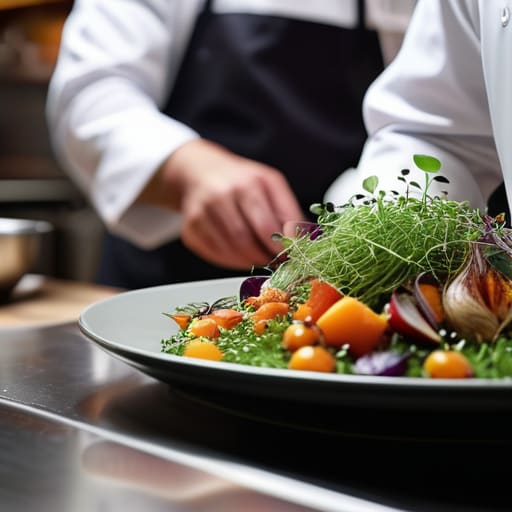
At the end of the day, managing dietary requirements isn’t about having a magic ingredient for every possible ailment; it’s about systems, communication, and respect. If you don’t train your floor staff to listen, if you don’t design a menu that allows for flexibility without inflating your food waste, and if you don’t account for the extra labor cost of a modified dish, you aren’t running a restaurant—you’re running a crisis. It’s easy to view an allergy as a nuisance that slows down the pass, but when you treat it as a fundamental part of the service, you stop reacting to problems and start preventing them.
I spent twenty-six years watching how a single misunderstood request could ripple through a dining room, turning a smooth service into a frantic scramble. But I also saw how a seamless, thoughtful response to a guest’s needs could build a loyalty that no amount of marketing could buy. We aren’t just selling food; we are selling the peace of mind that comes with sitting down at a table. When you get the logistics of dietary needs right, you aren’t just protecting your margins—you are honoring the trust your guests place in you every time they say, “I can eat here.”
Frequently Asked Questions
How do I manage the cost of specialized ingredients without having to hike up the prices for every other customer?
You don’t hike the menu prices; you manage your inventory. If you’re buying expensive gluten-free flour just for one person a week, you’re bleeding money. Instead, build your core menu around naturally inclusive ingredients—grains, legumes, or seasonal vegetables—that work for everyone. If you must stock a specialty item, treat it like a high-cost garnish. Don’t bake the cost of a niche ingredient into the price of a standard steak; that’s how you alienate your regulars.
At what point does a "special request" stop being a reasonable accommodation and start becoming a threat to the kitchen's rhythm?
It stops being a request when it forces the kitchen to abandon the “prep-to-plate” flow. A nut allergy is a standard safety protocol; I can manage that. But when a guest asks for a gluten-free, dairy-free, vegan version of a dish that is fundamentally built on butter and flour, they aren’t asking for a meal—they’re asking for a new recipe. That’s when the rhythm breaks, the ticket times climb, and the whole service starts to bleed.
How do I train my front-of-house staff to handle an allergy inquiry without making the guest feel like a burden or an inconvenience?
Stop training them to “check with the chef” like it’s a favor they’re doing for you. That’s where the guest feels the weight. Instead, teach them to own the information. They should lead with, “I’ll personally ensure the kitchen is briefed,” not “I think we can do that.” It’s about confidence, not permission. If your staff sounds hesitant, the guest feels like a problem to be solved rather than a diner to be fed.
