
 Written by
 I remember a Tuesday in my old dining room, about ten years in, when a table of four arrived just as we were wiping down the last of the silverware. My head server, a lovely girl who knew her wine but had never seen a real rush, tried to follow a textbook manual on how to design a service sequence she’d read in some glossy hospitality magazine. She was so busy checking off “touchpoints” and “engagement milestones” that she missed the fact that the kitchen was drowning and the guests were staring at their empty water glasses like they were in a desert. She was performing a script, not running a room, and by the time she realized it, the atmosphere had gone sour.
I’m not here to give you a list of polite gestures or fancy terminology that sounds good in a pitch deck but falls apart when the printer starts jamming. I’m going to show you how to build a rhythm that actually works when the heat is on, focusing on the unseen mechanics that keep your staff from burning out and your guests from feeling ignored. We’re going to talk about the real math of timing, the necessity of flow, and why a service sequence is ultimately about protecting your sanity as much as your profit.
Mapping the Guest Experience Touchpoints Without Losing Your Mind
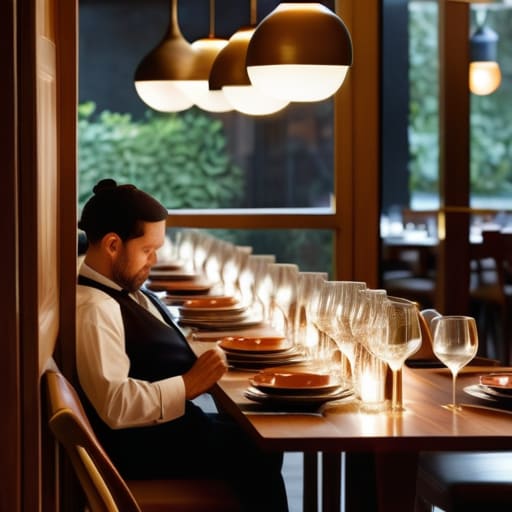
When people talk about customer journey mapping, they tend to treat it like a sterile, academic exercise—a series of pretty little icons on a whiteboard. In a real dining room, that journey isn’t a straight line; it’s a living, breathing thing that can be derailed by a broken dishwasher or a server who’s had a bad morning. You aren’t just looking for “moments of delight”; you are looking for the friction. I want you to look at every guest experience touchpoint through the lens of what could go wrong here? If the transition from the host stand to the table feels rushed, the guest feels like a number, not a person.
Don’t get bogged down in over-complicating your standard operating procedures for service until they’re unreadable. If your manual is fifty pages long, no one is going to use it when the Friday night rush hits and the kitchen is screaming. Instead, focus on the rhythm. Map out the hand-offs: when the drink is poured, when the bread hits the table, and exactly when the check is presented. You aren’t just managing a sequence; you are protecting the flow of the room so your staff can actually breathe.
Operational Workflow Optimization for the Small Stressed Room
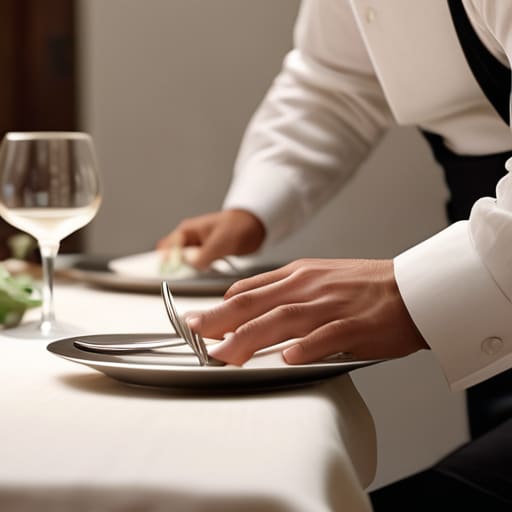
In a sixteen-cover room, you don’t have the luxury of a sprawling floor plan or a brigade of runners to bail you out. When things go sideways, they go sideways fast. Most people think operational workflow optimization is about fancy software or complex checklists, but in a small space, it’s actually about preventing collisions. If your waiter has to cross the entire dining room just to grab a clean fork, you haven’t just lost thirty seconds; you’ve broken the rhythm of the entire service and signaled to every guest that you’re scrambling.
You need to build your standard operating procedures for service around the reality of your physical constraints. This means stationing everything—the bread, the water, the extra napkins—within arm’s reach of the service zone. I learned the hard way that if a staff member has to leave the floor to find a specific wine key or a side plate, your profit margin is leaking out through the kitchen door. Efficiency in a tight room isn’t about moving faster; it’s about moving less.
Five Hard Truths About Making the Service Flow Without Breaking Your Staff
- Stop treating your menu like a list of ingredients and start treating it like a clock. If you have three complex, high-labor mains that all require the same pan or the same station, your service sequence will collapse the moment you hit a Friday rush. Design your sequence around the kitchen’s rhythm, not your ego’s desire for variety.
- The “invisible” moments are where you actually make or lose your money. A service sequence isn’t just about bringing food; it’s about the timing of the water refills, the clearing of the crumbs, and the subtle check-back that happens after they’ve swallowed, not while they’re still chewing. If your staff is too busy running to notice a guest looking around for a napkin, your sequence is broken.
- Build in “buffer zones” for your staff, or they’ll burn out by month three. A sequence that demands a waiter be at a table every sixty seconds is a fantasy that leads to high turnover and mistakes. Give them the space to breathe between covers so that when a real problem arises—a spilled wine or a wrong order—they actually have the mental bandwidth to fix it.
- Your floor plan dictates your service speed more than your training does. You can have the best service sequence in the world, but if your waiter has to cross the entire dining room every time they need to grab a fresh spoon from the side station, you are burning labor costs and slowing down table turns. Map your service to the physical reality of your square footage.
- Watch the “dead time” between the check being dropped and the guest leaving. That’s where the tension lives. A good sequence ensures the bill is ready when they want it, but doesn’t feel like an eviction notice. If your staff is hovering near the POS terminal waiting for the guest to pay, they aren’t watching the room, and they certainly aren’t looking for the next opportunity to sell a digestif.
The Hard Truths to Carry Out of the Kitchen
A service sequence isn’t a script to be memorized; it’s a rhythm to be managed. If your flow doesn’t account for the physical reality of a waiter carrying a heavy tray through a narrow gap between a chair and a service station, your “perfect” sequence will collapse the moment the room gets full.
Stop obsessing over the “wow” moments and start protecting the invisible ones. A guest might remember a fancy garnish, but they will remember the frustration of a dry water glass or a twenty-minute gap between courses much longer. Consistency is what builds a business; spectacle is what burns through your labor costs.
Design your sequence for your worst-case scenario, not your best. A sequence that only works when the kitchen is calm and the staff is smiling is a fantasy. Build in the buffers—the extra minute for a table to settle or the grace period for a delayed dish—so that when the inevitable crisis hits, your staff has the breathing room to fix it without breaking.
The Rhythm of the Room
A service sequence isn’t a checklist you tick off to satisfy a manual; it’s the heartbeat of the room. If your sequence is too frantic, you’re burning out your staff before the second seating; if it’s too slow, you’re bleeding profit through empty glasses and long gaps. You aren’t just managing plates—you’re managing the tension between the kitchen’s clock and the guest’s patience.
Rosalind Achterberg
The Reality of the Rhythm
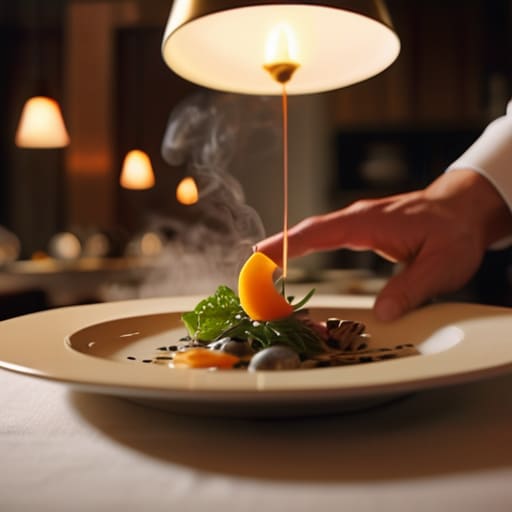
At the end of the day, designing a service sequence isn’t about creating a rigid script that your staff has to memorize like a school play; it’s about building a framework that allows for grace under pressure. You’ve looked at the touchpoints, you’ve tightened the workflow, and you’ve accounted for the gaps between the kitchen pass and the table. But remember, a sequence is only as good as the person executing it. If your flow is too tight, your staff will break; if it’s too loose, your margins will bleed out through wasted movement and slow turns. You aren’t just managing a series of steps; you are managing the energy of the room to ensure that the mechanics of the business never overshadow the magic of the meal.
Running a dining room is a beautiful, exhausting, and expensive gamble, and a well-designed service sequence is one of the few things that actually gives you a fighting chance. It won’t stop a broken glass from shattering or a supplier from being late, but it will give your team the stability they need to handle those moments without panicking. Don’t aim for a perfection that doesn’t exist; aim for a rhythm that sustains. If you can get the bones of your service right, you stop fighting the room and start leading it. And that, quite frankly, is the only way you’ll ever make it to the end of the night with both your profit and your sanity intact.
Frequently Asked Questions
How do I balance a sequence that feels personal and warm without it becoming so slow that my kitchen starts drowning in tickets?
You’re trying to solve the oldest tension in the room: hospitality versus throughput. The mistake is thinking “personal” means “slow.” Real warmth isn’t about lingering over a menu for twenty minutes; it’s about being present during the transitions. You don’t need more time; you need better timing. If your staff is hovering, they’re stalling. If they’re sprinting, they’re frantic. Aim for “active observation”—noticing a guest needs a refill before they ask, without interrupting the flow of the kitchen’s rhythm.
When the room gets slammed and the plan goes out the window, how do I teach my staff to fall back on a rhythm instead of just panicking?
You don’t teach them a new plan; you teach them how to breathe. When the weeds hit, panic is a contagion—if the runner looks frantic, the whole room feels the tremor. Tell your staff: forget the “perfect” sequence and focus on the next thirty seconds. Clear a glass, refill a water, reset one fork. It’s about maintaining the rhythm of small, manageable wins. If they keep the tempo, the chaos eventually loses its teeth.
At what point does a "seamless" service sequence become an expensive luxury that my margins simply can't afford to support?
It becomes an expensive luxury the moment you start hiring for “presence” instead of competence. If you’re paying a premium for a waiter to perform a choreographed dance when a sharp, efficient person could just get the wine poured and the plates cleared, you’re burning cash. Seamlessness shouldn’t cost extra; it should be the result of a tight system. If your “sequence” requires more hands than your covers justify, you aren’t designing service—you’re subsidizing theater.
