
 Written by
 I’ve sat through enough “management seminars” to know that most advice on how to ask staff for a recommendation is written by people who have never had to deal with a broken dishwasher or a walk-in fridge that won’t stay cold. They’ll tell you to implement “structured feedback loops” or “anonymous digital surveys,” as if a piece of software can replace a real conversation. It’s all bloated nonsense designed to make a consultant feel important. In my sixteen-cover dining room, I didn’t need a tablet to tell me the morale was slipping; I could see it in the way the prep cook avoided my eyes or how the floor staff stopped laughing during the pre-shift briefing.
I’m not here to give you a corporate handbook or a list of polite questions you can find in a HR manual. Instead, I’m going to tell you how to actually listen to the people who are carrying the weight of your business on their shoulders. We’re going to talk about the timing, the setting, and the specific, unvarnished truths you need to dig for if you want to know what’s actually happening when the doors are locked.
Asking Servers for Menu Suggestions Without Wasting Their Time

When you sit down, don’t treat the server like a walking, talking PDF. Most people make the mistake of asking, “What’s good here?” It’s a lazy question that forces the staff to do the mental heavy lifting of filtering the entire menu for you. If you want to actually improve your dining experience through communication, you have to narrow the field. Instead, try something like, “I’m leaning toward the sea bass, but is there something on the menu that the kitchen is particularly proud of tonight?” That tiny shift changes the dynamic from an interrogation to a conversation.
The secret to asking servers for menu suggestions without being a nuisance is to respect their mental bandwidth. If the dining room is slamming and they’re running between tables, they don’t have the capacity to give you a lecture on flavor profiles. In those moments, keep it tactical: ask about understanding menu specialties by focusing on ingredients or preparation styles. It shows you’ve actually looked at the page, and it signals to them that you’re a guest who understands the rhythm of a busy service.
Understanding Menu Specialties Through the Eyes of the Kitchen
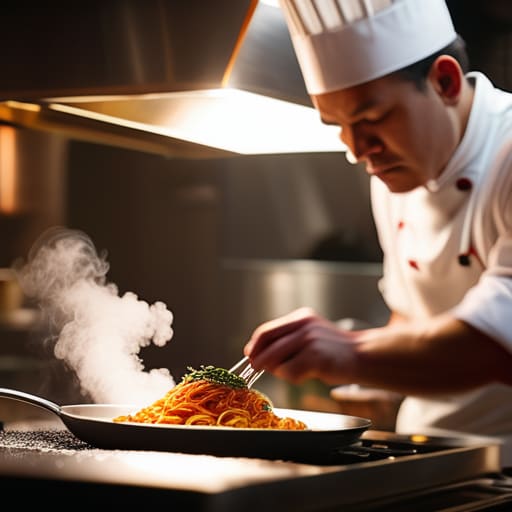
When you ask a server what’s good, you’re usually looking for the most expensive thing or the most popular thing. But if you want the truth, you need to look past the glossy descriptions on the menu and start understanding menu specialties through the lens of the kitchen’s reality. A dish might be a “house favorite,” but that often just means it’s the one that’s easiest for a tired line cook to plate consistently at 9:00 PM.
If you want the real gems, ask the staff what is actually exciting them to cook or serve that day. There is a massive difference between a dish that is a reliable money-maker and one that the chef is currently obsessed with. I spent decades watching servers play it safe by recommending the same three predictable items to every table. If you want to truly improve your dining experience through communication, don’t just ask for a recommendation; ask which dish is currently showing off the kitchen’s technique. That’s how you find the soul of the menu, rather than just the most efficient way to clear a table.
The Art of the Ask: How to Get the Truth Without Breaking the Flow
- Don’t ask “What’s good?” because that’s a trap. It’s a lazy question that forces a server to scan the entire menu and pick something safe, which usually means the most expensive thing or the one they’ve been told to push. Instead, ask, “What are you actually excited to eat tonight?” or “What’s the one dish that’s been running perfectly all service?” You want the dish that’s winning, not the one that’s just profitable.
- Watch the hands, not just the mouth. If you ask for a recommendation and the server’s eyes dart toward the kitchen or they hesitate for a beat too long, they aren’t thinking—they’re remembering a mistake. A server who knows their stuff will answer without breaking their stride. If they look like they’re performing a mental inventory, they’re likely just reciting the training manual.
- Timing is everything, and if you ignore it, you’ll get a rehearsed answer rather than a real one. If you try to have a deep dive into the wine list while the dining room is hitting its peak rush, you’re asking them to choose between being helpful to you and being efficient for the table behind you. Wait for the lull, or ask the question just as they’re setting down your water; you want them present, not panicked.
- Recognize the “Staff Meal” litmus test. If you want to know what the kitchen is actually proud of, ask what the staff ate for their break. In a well-run house, the crew eats the food they serve, and they don’t eat anything they don’t believe in. If the staff meal is a rotating door of mediocre leftovers, don’t expect a recommendation from the floor to be anything more than a sales pitch.
- Respect the distinction between a recommendation and a sales pitch. A good server will tell you why a dish works—the acidity of the vinaigrette, the way the fat of the pork cuts through the greens. A salesperson will just tell you it’s “very popular.” If they can’t tell you why it’s good, they don’t actually know the food; they just know the price point.
The Real Bottom Line of a Good Recommendation
A recommendation isn’t just about what tastes good; it’s about what the kitchen can actually execute perfectly when they’re three orders behind and the printer won’t stop screaming.
If a server suggests a dish that’s a nightmare to prep, they aren’t helping you—they’re setting both you and the kitchen up for a mediocre experience.
Look for the server who suggests the dish that’s moving well, because that means the ingredients are fresh, the timing is tight, and the kitchen is in its rhythm.
The Real Meaning of a Recommendation
When you ask a server what’s good, don’t look for the dish that sounds the most expensive or the one they’ve been trained to push; look for the one they describe with a bit of genuine life in their eyes. A recommendation isn’t a sales pitch, and if they’re just reciting the specials like a script, they aren’t telling you what’s good—they’re just telling you what’s profitable.
Rosalind Achterberg
The View From the Other Side of the Pass

At the end of the day, getting a good recommendation isn’t about interrogation; it’s about reading the room. You’ve learned that the best advice doesn’t come from the person reciting the specials with rehearsed enthusiasm, but from the server who knows which dish is actually worth the price point and which one is just sitting in the walk-in because the prep cook had a bad morning. Stop looking for the most expensive item on the list and start looking for the dish that makes the staff actually want to eat when their shift ends. When you ask with intention—respecting their time and acknowledging the sheer chaos of a Friday night service—you stop being a customer asking for a favor and start being a guest who understands the delicate machinery of the room.
I spent twenty-six years watching people treat service like a transaction, but the best meals I ever had were the ones where a real connection was made between the table and the floor. When you take the time to truly listen to the person standing in front of you, you aren’t just ordering food; you are participating in the lifeblood of the business. A restaurant is a fragile, beautiful, expensive thing, and the people working it are its heartbeat. So, next time you’re sitting there, don’t just scan the menu—look them in the eye, ask the right question, and let them guide you. That is where the magic happens.
Frequently Asked Questions
What do I do if the server gives me a recommendation that turns out to be a total disaster?
Don’t make a scene. I’ve been on both sides of that pass, and I promise you, nothing kills the energy of a dining room faster than a customer performing a public autopsy on a dish. Catch the server’s eye, keep your voice low, and simply say, “This isn’t quite working for me.” Don’t blame the recommendation; blame the dish. A good server will pivot immediately. A great one will make sure you never have to eat that mistake again.
Is it rude to ask for a recommendation if I’ve already spent ten minutes staring at the menu?
Not at all. In fact, I’d prefer you did. If you’ve been staring at that menu for ten minutes, you’re likely stuck in a loop of indecision, and the last thing a busy server wants is a guest who is paralyzed by choice. Just catch their eye and say, “I’m torn between two things—what are you leaning toward tonight?” It’s efficient, it’s honest, and it gives them a chance to steer you toward what’s actually fresh.
How can I tell if a server is actually suggesting their favorite dish or just trying to push the high-margin items to hit their targets?
Watch their eyes, not just their mouth. If they’re pushing a dish with practiced, rehearsed enthusiasm, they’re reading the spec sheet. But if they lean in—just a fraction—and mention a specific detail, like how the sauce actually clings to the pasta or how the acidity cuts through the fat, they’re eating it too. A server pushing margins wants a quick sale; a server sharing a favorite wants you to have an experience.
